
Latest from the Project
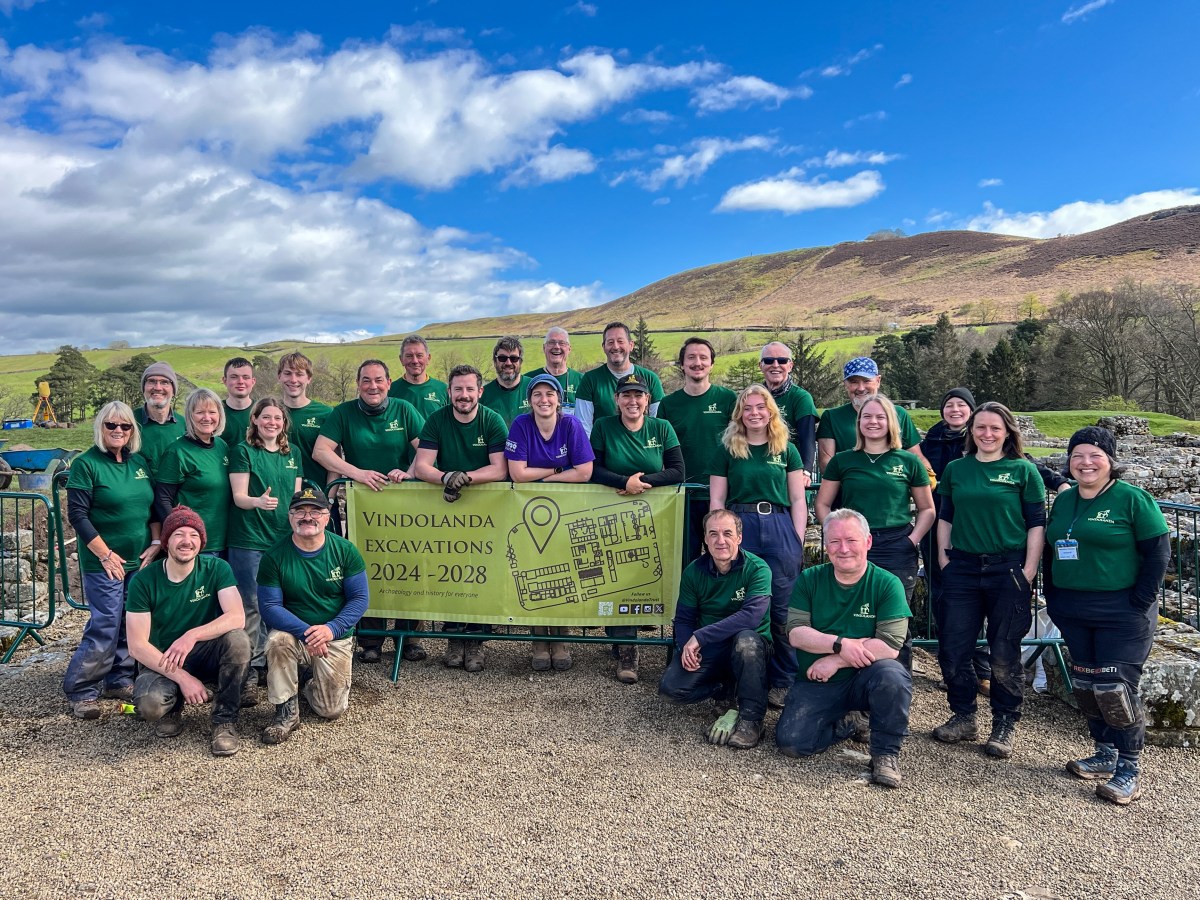
Blog #115: Uncovering the Romans: A Tale of Participation in Archaeology on Hadrian’s Wall with Marta Alberti-Dunn
In this week’s blog post, Dr. Marta Alberti Dunn reflects on her research on the history of volunteers on Hadrian’s Wall and the evolution of those tasked with performing skilled labour on the excavation of this site.

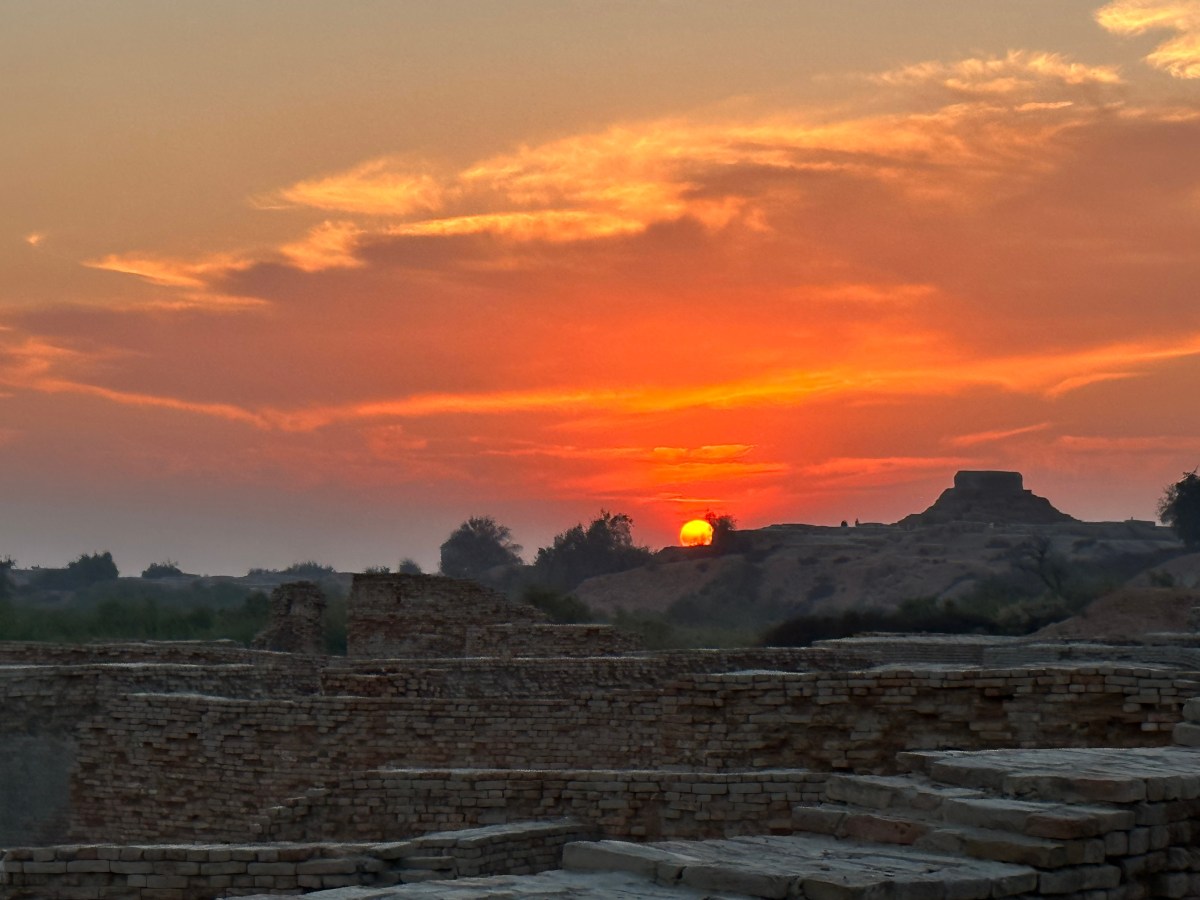
Blog #114: The Labor of Care: Accession Cards from MohenjoDaro (Pakistan) with Uzma Z. Rizvi
This week, we feature the work of Uzma Z. Rizvi, whose project at MohenjoDaro in Pakistan highlights the ways in which archaeologists can engage in decolonial, non-extractive, and generative approaches in their use of legacy data and archival history through the framework of an archaeology of care.
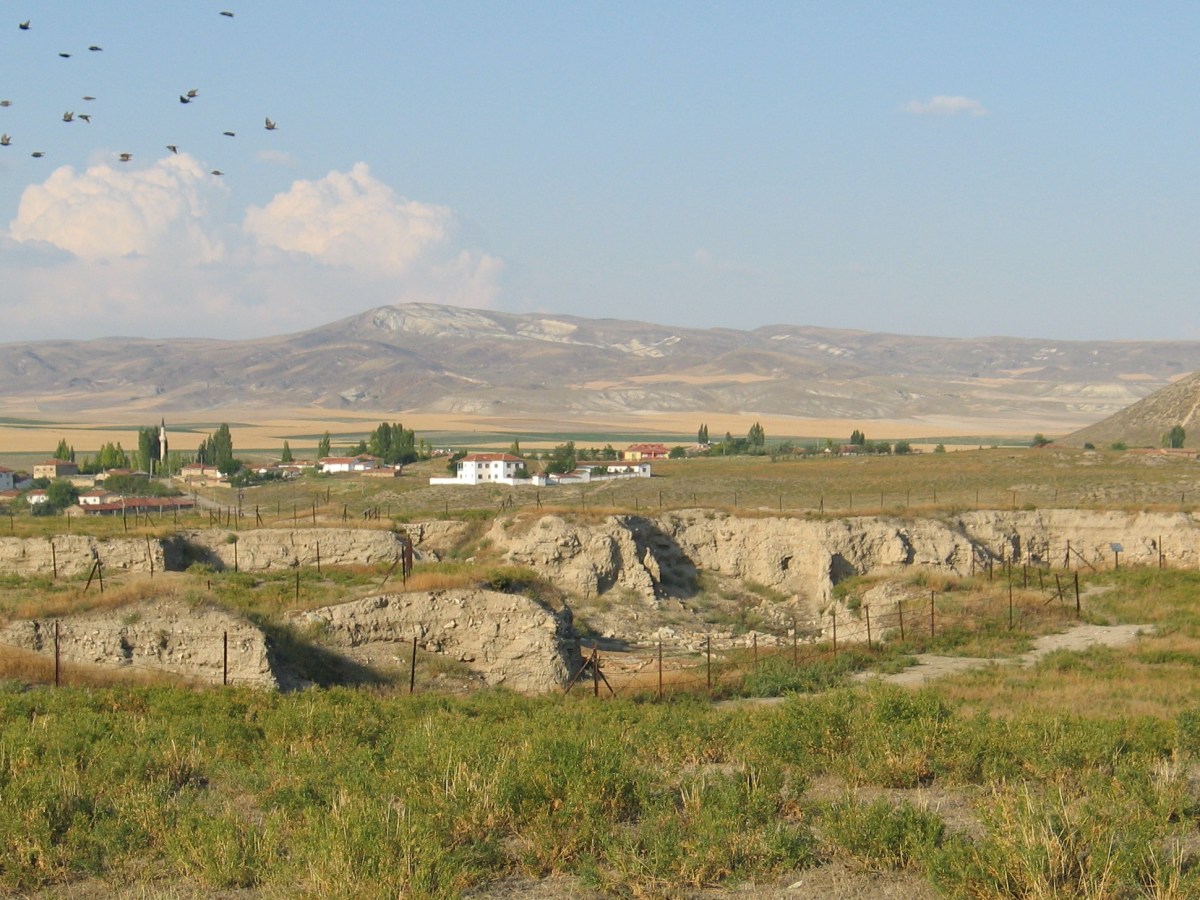
Blog #113: Pannonians Abroad? New Evidence from a Roman Auxiliary Base in Central Turkey with Andrew L. Goldman
In this week’s blog post, Andrew L. Goldman takes us through his archaeological project at the ancient Roman auxiliary base at Gordion in central Anatolia, and the possibility that Pannonian soldiers were stationed at this site. Here, he highlights the role played by non-Romans in the military, while also using archaeological evidence to characterize auxiliary…

Blog #112: “What Should You Do When You Encounter One of Our Egyptian Mummified Ancestors?” A 12-Point Manifesto on How to Deal with Egyptian Mummified Ancestral Remains with Egypt’s Dispersed Heritage Project
In this week’s blog post, we feature the work of our Egyptian colleagues from the Egypt’s Dispersed Heritage project. Here, they offer us a 12-point manifesto which highlights the ways in which the public can treat Egyptian mummified ancestral remains and their contemporary descendant communities with the dignity and respect that they deserve.
Image of the Month
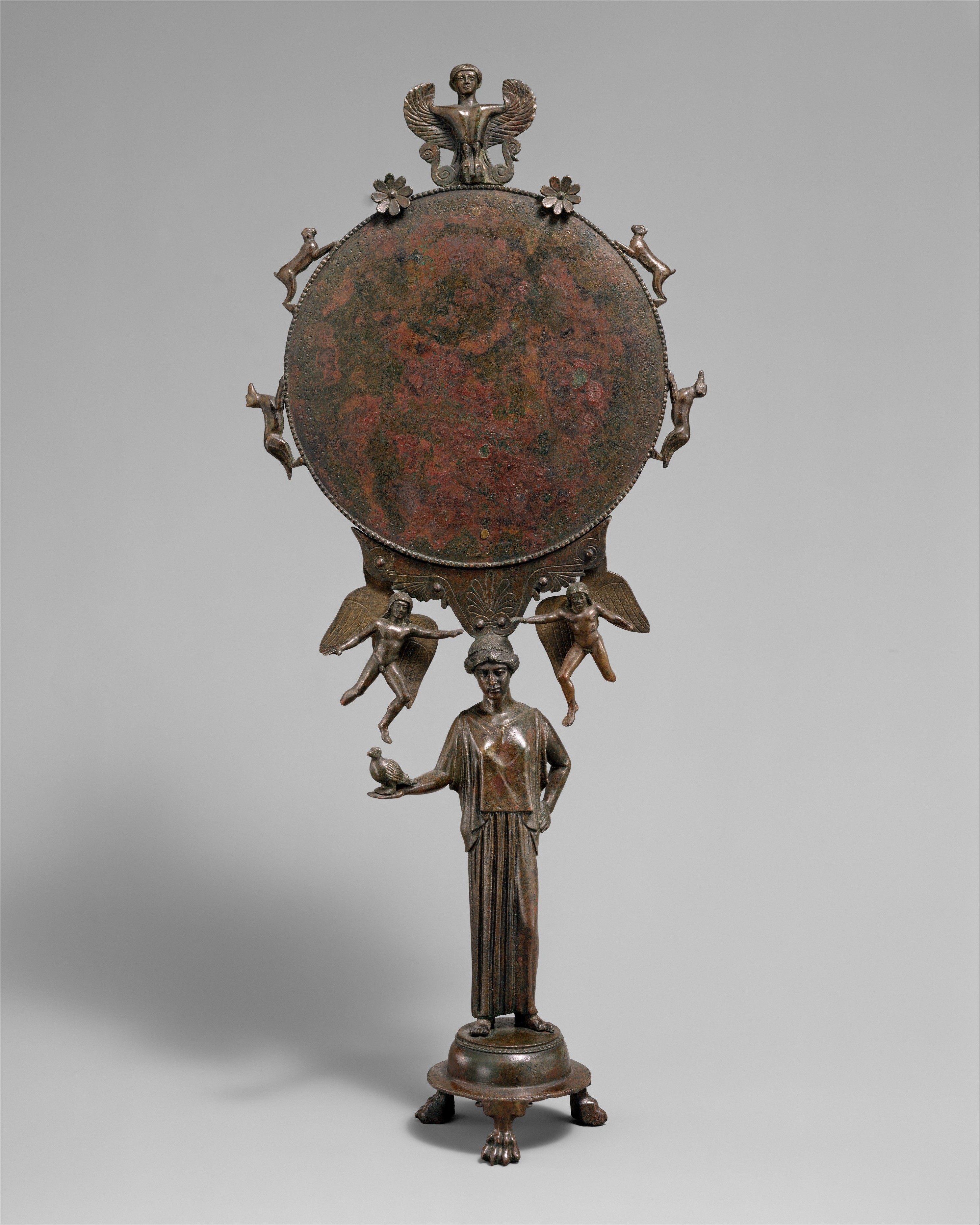
Dimensions: 15 15/16 in., 2 lb. (40.4 cm, 0.9 kg)
© Metropolitan Museum of Art
Like our content? Consider donating to Peopling the Past. 100% of all proceeds support honoraria to pay the graduate students and contingent scholars who contribute to the project.
Make a monthly donation
Make a yearly donation
Choose an amount
Or enter a custom amount
Your contribution is appreciated. Please note that we cannot provide tax receipts, as we are not a registered charity.
Your contribution is appreciated. Please note that we cannot provide tax receipts, as we are not a registered charity.
Your contribution is appreciated. Please note that we cannot provide tax receipts, as we are not a registered charity.
DonateDonate monthlyDonate yearlyGet new Peopling The Past content delivered directly to your inbox.
 Peopling the Past