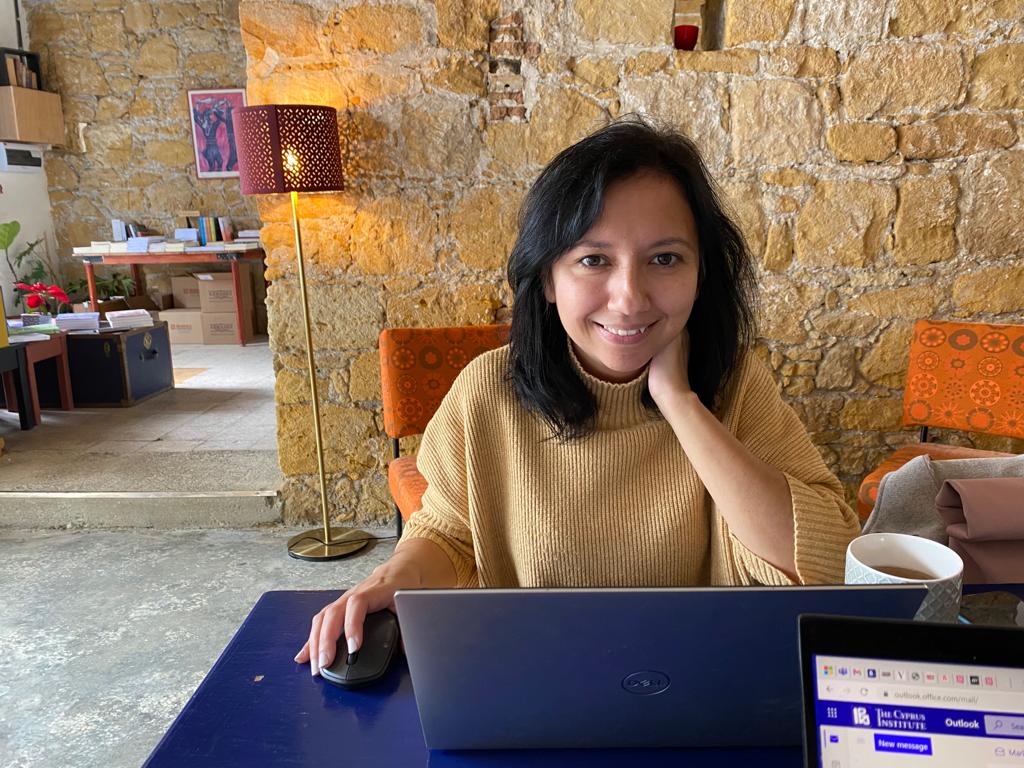
In this instalment of the Peopling the Past Podcast, we are joined by Dr. Efthymia Nikita, an assistant professor in bioarchaeology at the Science and Technology and Archaeology and Culture Research Centre, which is part of the Cyprus Institute. And she’s also an honorary research fellow at the Institute of Archaeology, University College London and has published extensively within the field of bioarchaeology, including her most recent book An Introduction to the Study of Burned Human Skeletal Remains.
Listen in, as Dr. Nikita gives us an overview on the methods used in bioarchaeological research, the ways in which we can differentiate biological sex in the archaeological record and what we can learn about the lives of women through an analysis of their bones.
Interested in learning more? Check out these open access resources by Dr. Nikita:
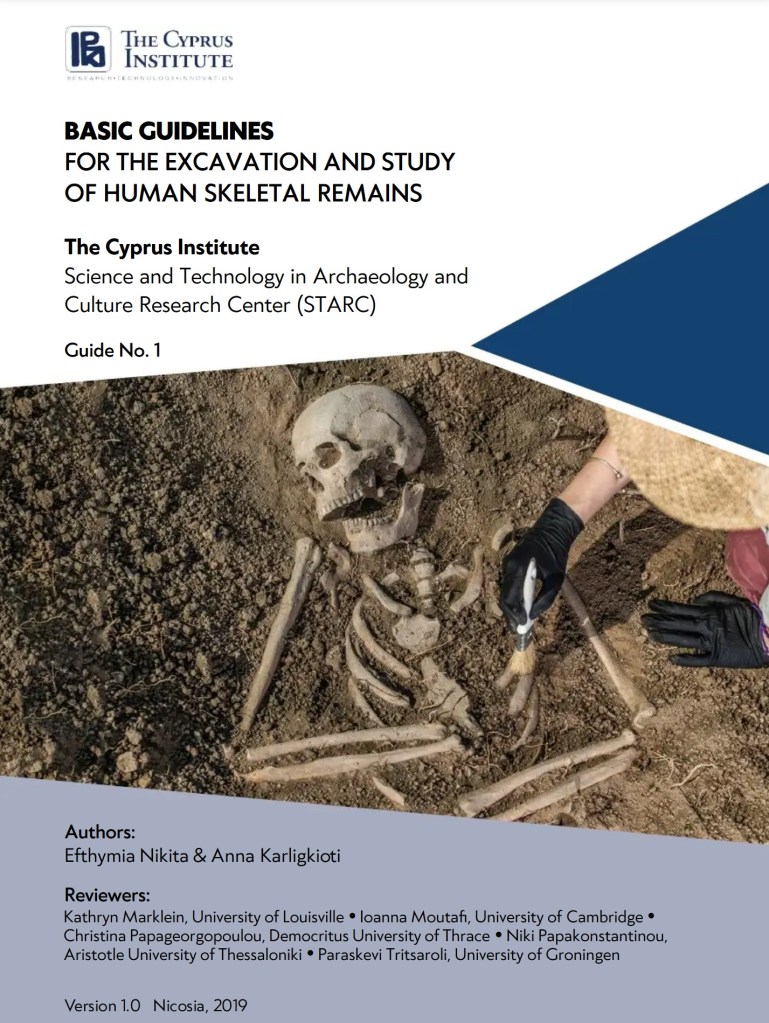
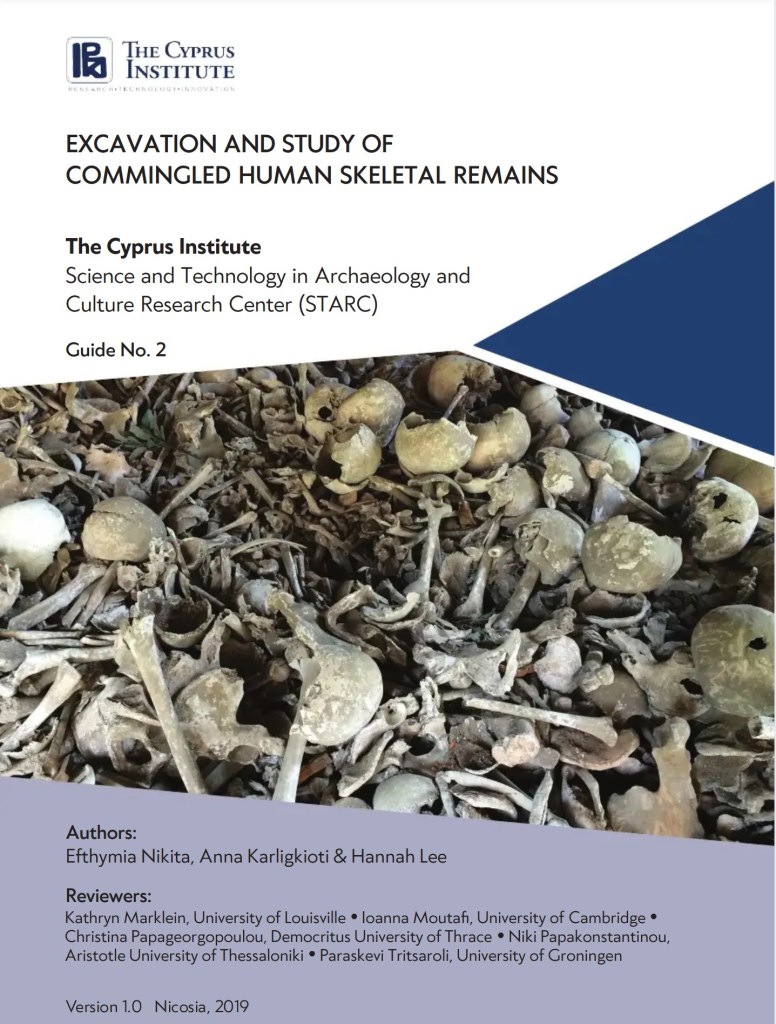
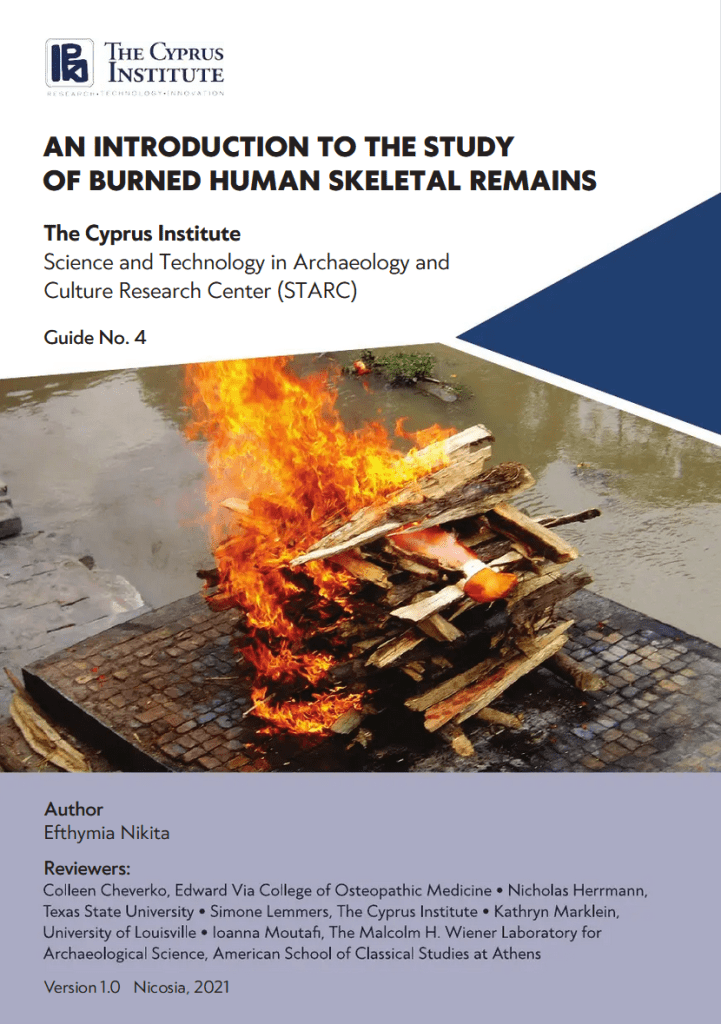
Looking for a transcript of this episode? Click here.
Additional Materials Related to this Podcast
Open access outreach materials
Archaeological Science Classroom Activities
Databases
SrIsoMed, a database of published strontium isotopic values (⁸⁷Sr/⁸⁶Sr) across the Mediterranean aimed to promote palaeomobility and raw material provenance studies
Bi(bli)oArch, a bibliographic database for human bioarchaeological studies in the Eastern Mediterranean and Middle East, aimed at making human bioarchaeology papers and reports more easily discoverable and promoting meta-analyses
 Peopling the Past