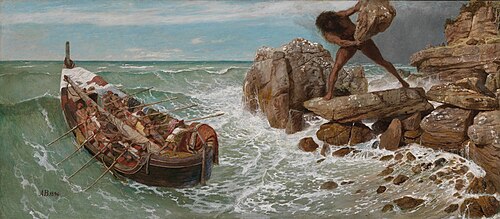
In this week’s instalment of our Halloween Series on the “scary things” in the Odyssey, we hear from Drs. Mercedes Aguirre and Richard Buxton and their work on the Cyclops in the ancient and modern imaginary.
Tag Archives: classics
Blog Post #125: The Odyssey: Necromancy, Seers and the Underworld with Daniel Ogden
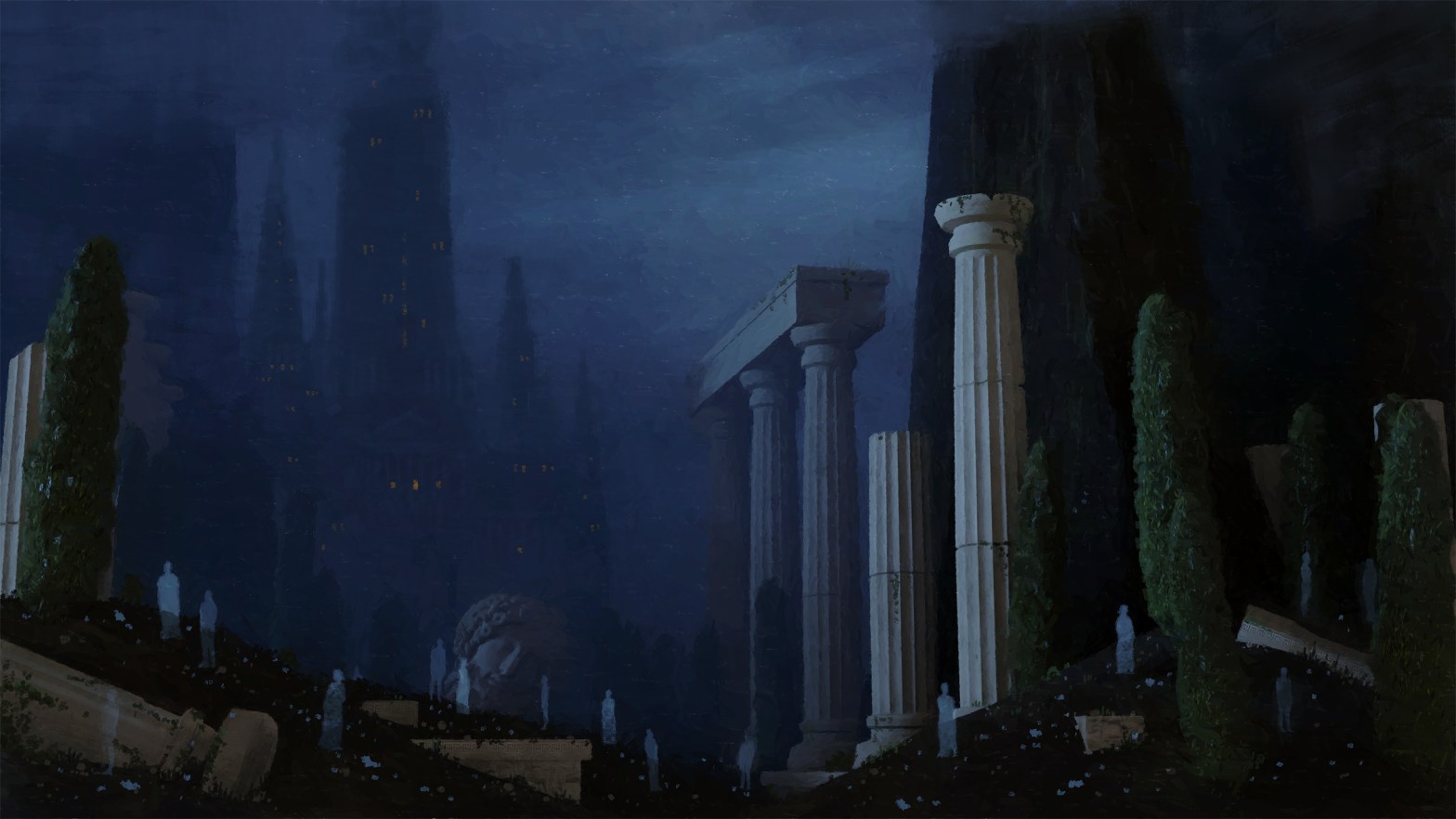
This week with kick off our Halloween month series, focusing on the Odyssey, with a post by Prof. Daniel Ogden, Professor of Ancient History in the University of Exeter. Here he explores the eleventh book of the Odyssey, known as the Nekyia or the ‘Book of the Dead’, and the role of ghosts and necromancy in this text.
Blog #124: Graduate Student Feature with Kevin Wong: Online Gaming Culture and the “Epic” Ideologies of Digital Entertainment

Welcome back to another academic year over here at Peopling the Past. In our first blog post of the season, we highlight the work of Kevin Wong, a PhD student at Harvard University, whose work examines the history of online gaming in a bid to trace the cultural and commercial uptake of “epic” as an ideology for digital entertainment.
Blog #123: Lingua Vitae: Learning Latin in Virtual Reality by Lissa Crofton-Sleigh (with Special Thanks to Em Dang)
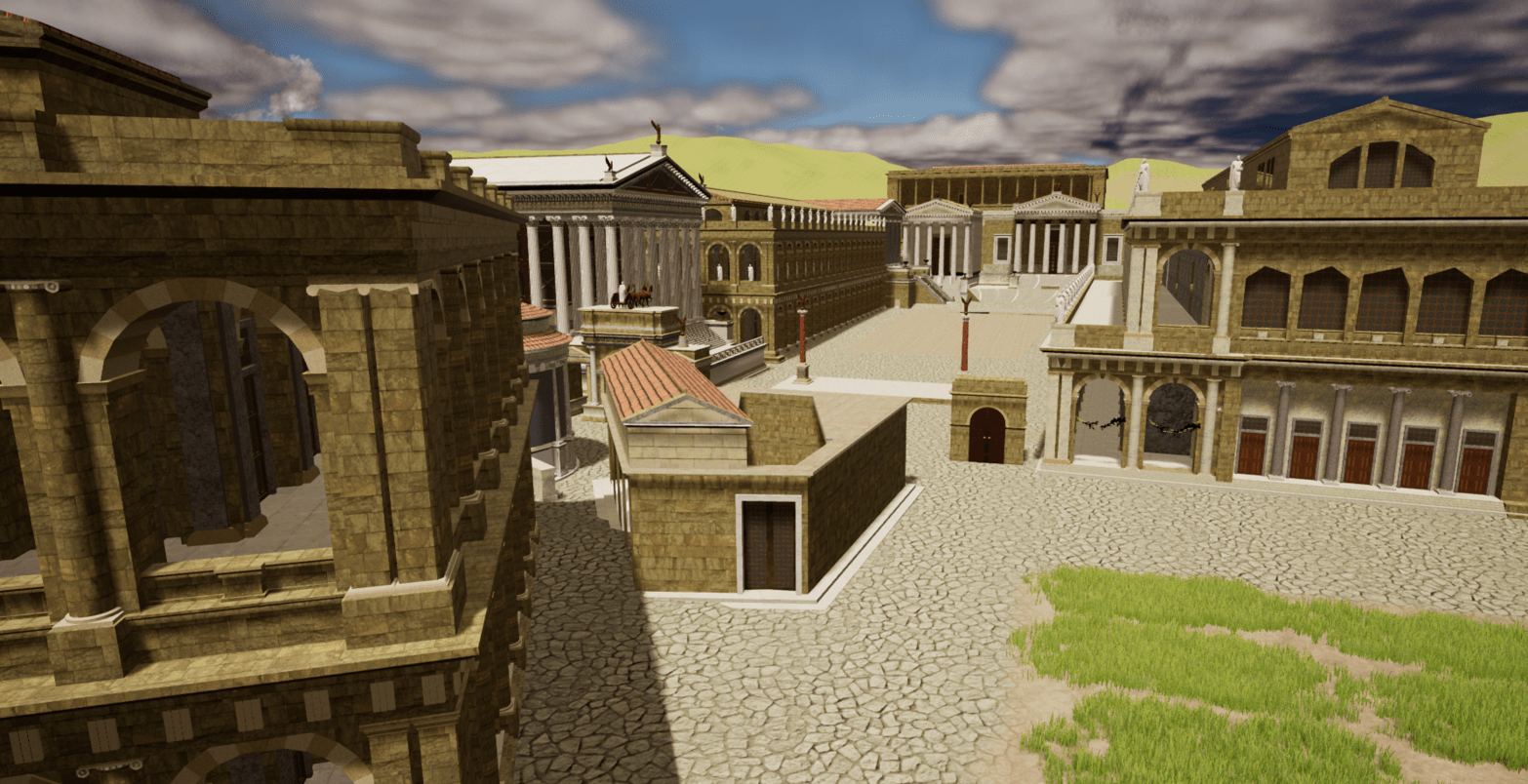
This week on the blog Lissa Crofton-Sleigh and Em Dang showcase their work on Lingua Vitae, a Latin language supplementary learning program encased within an historically authentic, ancient environment in virtual reality (VR).
Blog #122: Cultivating Pompeii: Urban Agriculture and Resilience, AD 62-79 with Jessica Venner
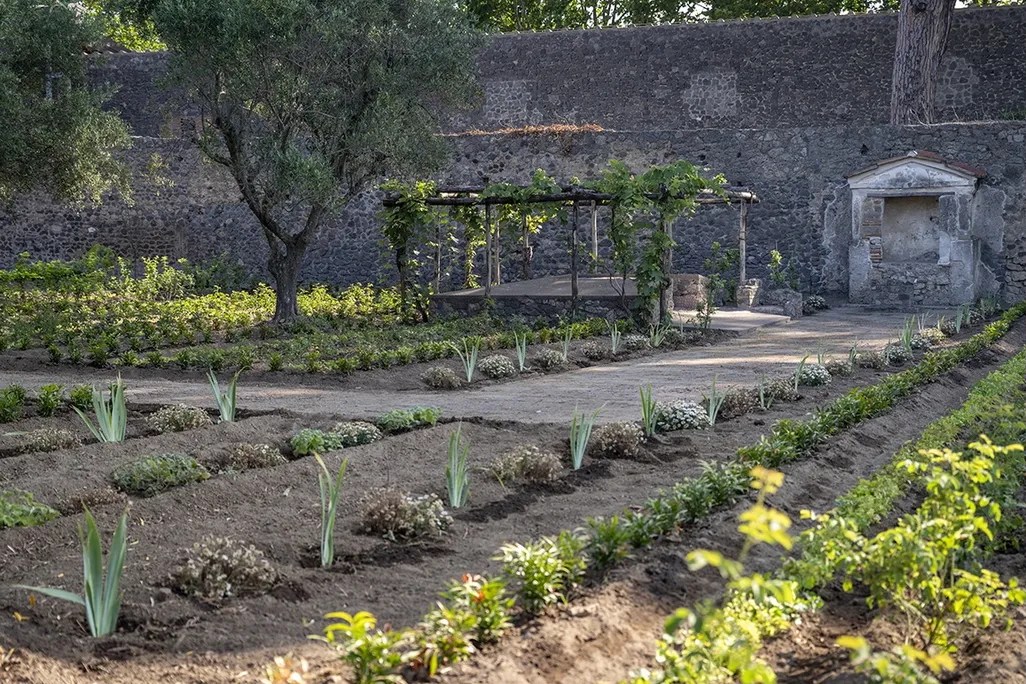
We continue our Earth Month series with a blog post from Dr. Jessica Venner. Here, Jessica discusses how evidence for urban agricultural practices in the gardens of Pompeii can provide us with insights into environmental resilience in the ancient world.
Blog #121: Healthy Living in Rome’s Green Spaces with Andrew Fox
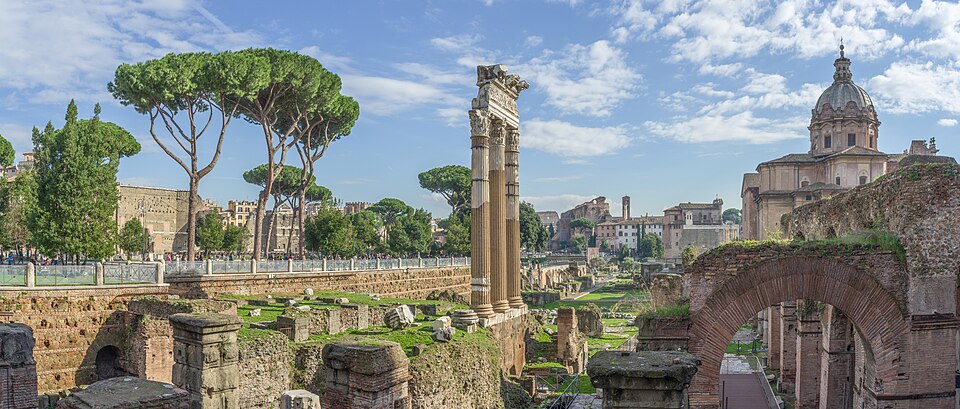
We continue our Earth Month series with a blog post from Andrew Fox. Here, Andrew introduces us to the ways in which Roman writers contemplated the potential health benefits of integrating green spaces into the city of Rome.
Blog #120: Artificial Lighting Systems in Pompeian Gardens and Baths with Emily Lime
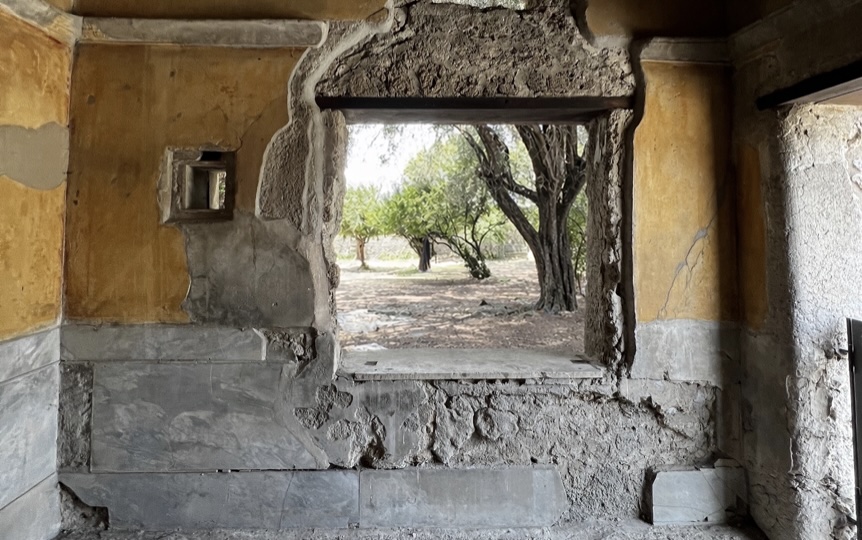
We continue our Earth Month series with a blog post from graduate student Emily Lime. Here, Emily discusses how Pompeians engineered light to address the aesthetic, social, and practical concerns of the home, in environments where darkness, smoke, and fire posed real challenges.
Blog #119: Unseen Hands: Recovering the Experiences of Garden Laborers in the Roman World with Kaja Tally-Schumacher
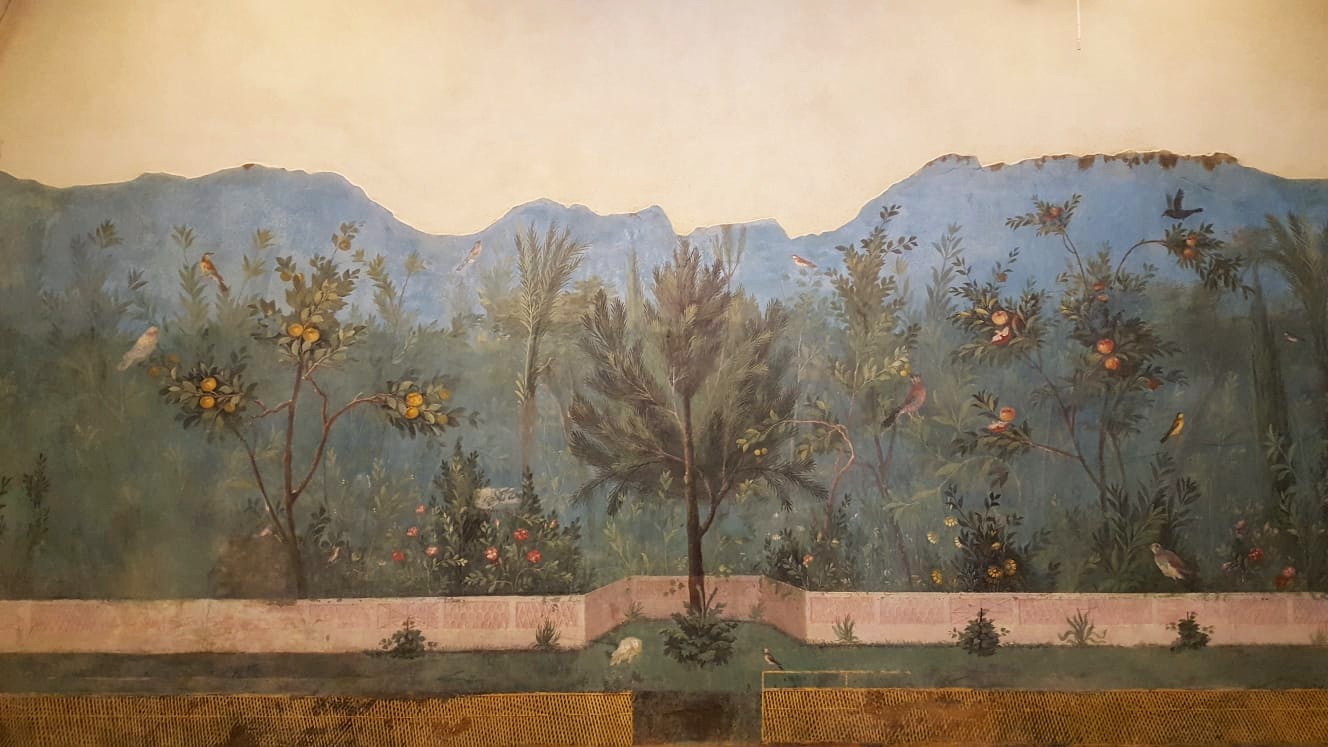
This week we kick off our Earth Month series with a blog post from Dr. Kaja Tally-Schumacher. Here, she takes us through her work on Roman gardens and the ways in which archaeologists can recover, reconstruct, and reflect on the presence, specialized knowledge, and experiences of laborers and other non-elite people in the Roman world.
Blog #118: Let’s Play Antiquity with Eduardo M. García-Molina
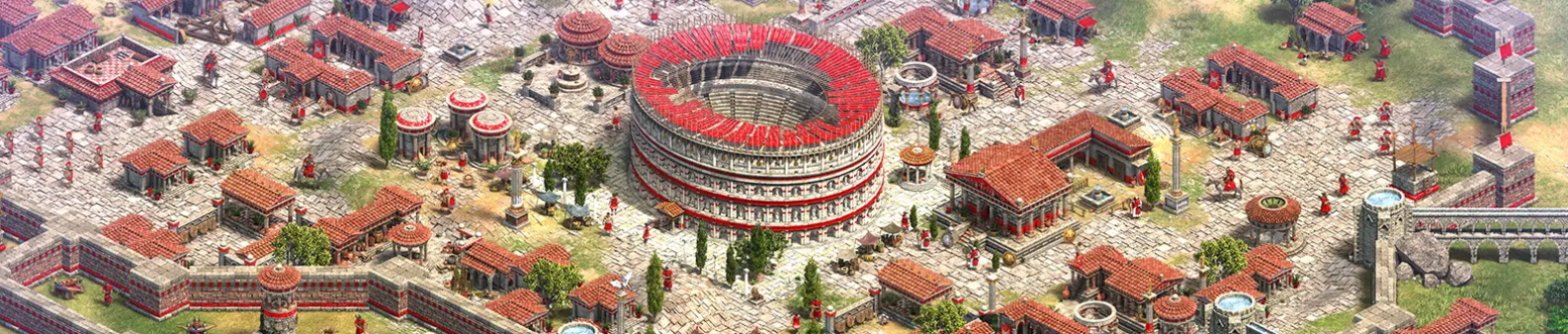
Our latest instalment of the blog, features the exciting pedagogical work of Eduardo García-Molina, Assistant Professor of Classics at the University of Illinois Urbana-Champaign. Here, he takes us through his course “The Ancient World in Video Games” to highlight the value of bringing gaming into the modern university classroom.
Blog #117: Teaching Ancient in a Digital Age: an NEH-Funded Institute for Ancient Mediterranean Studies Educators with Christine Johnston and Leigh Anne Lieberman
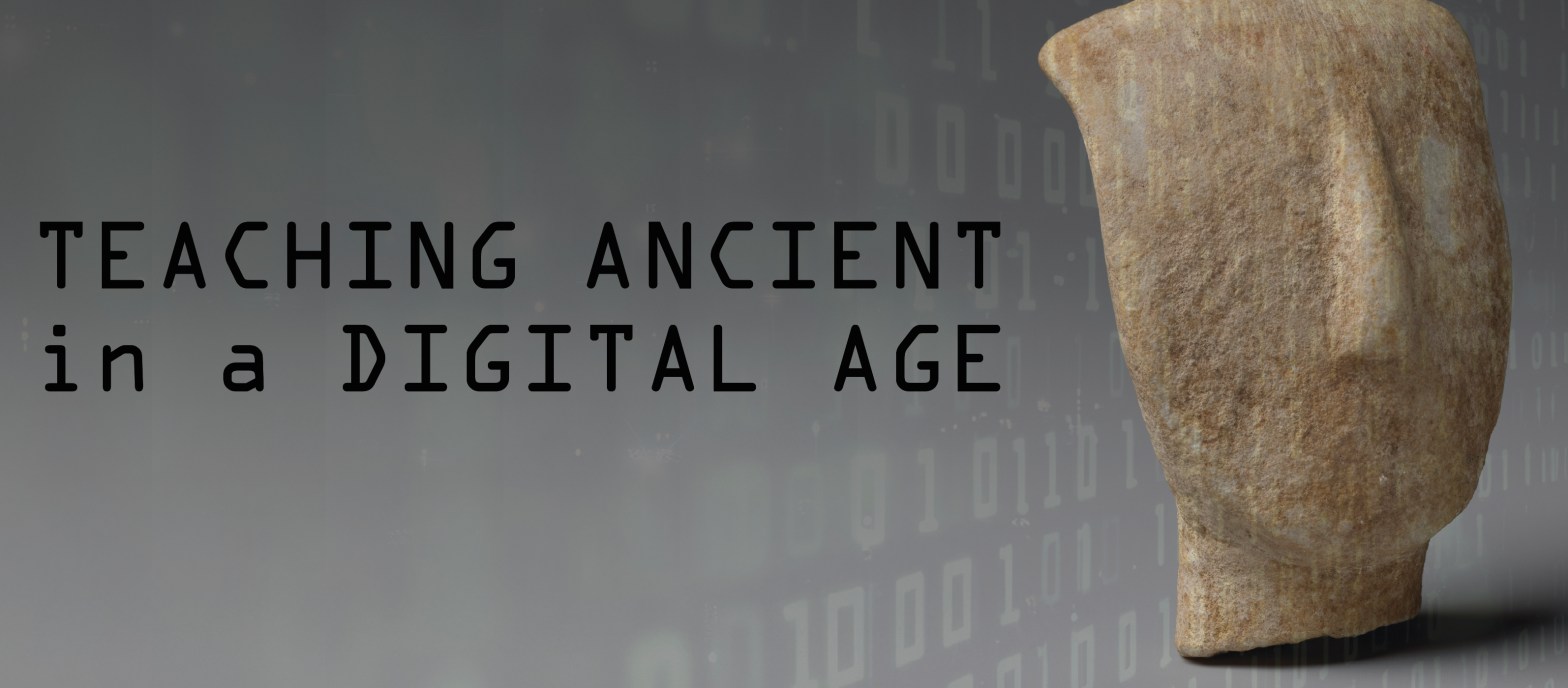
In this week’s blog post, Drs Christine Johnston and Leigh Anne Lieberman introduce us to their new NEH-funded project, “Teaching Ancient in a Digital Age.” This institute aims to equip Ancient Mediterranean studies faculty with essential digital skills and resources that take into account the evolving educational landscapes. Through virtual and in-person workshops, participants will develop lesson plans focused on data and digital literacy, which will enhance student engagement and prepare them to teach using the newest digital technologies applied through pedagogical best practices.

