The Peopling the Past team is excited to kick off 2025 with an announcement—our fourth season of the podcast is coming! This season, we will be turning our focus to cultural heritage and the dangers threatening it today, the ethics of museums and collecting practices, and the legacies of colonialism in the study of antiquity. For this preview, hosts Chelsea Gardner and Melissa Funke are joined by the producer for this season, Christine Johnston (Peopling the Past’s video editor), to talk about what our listeners can expect from Season 4.
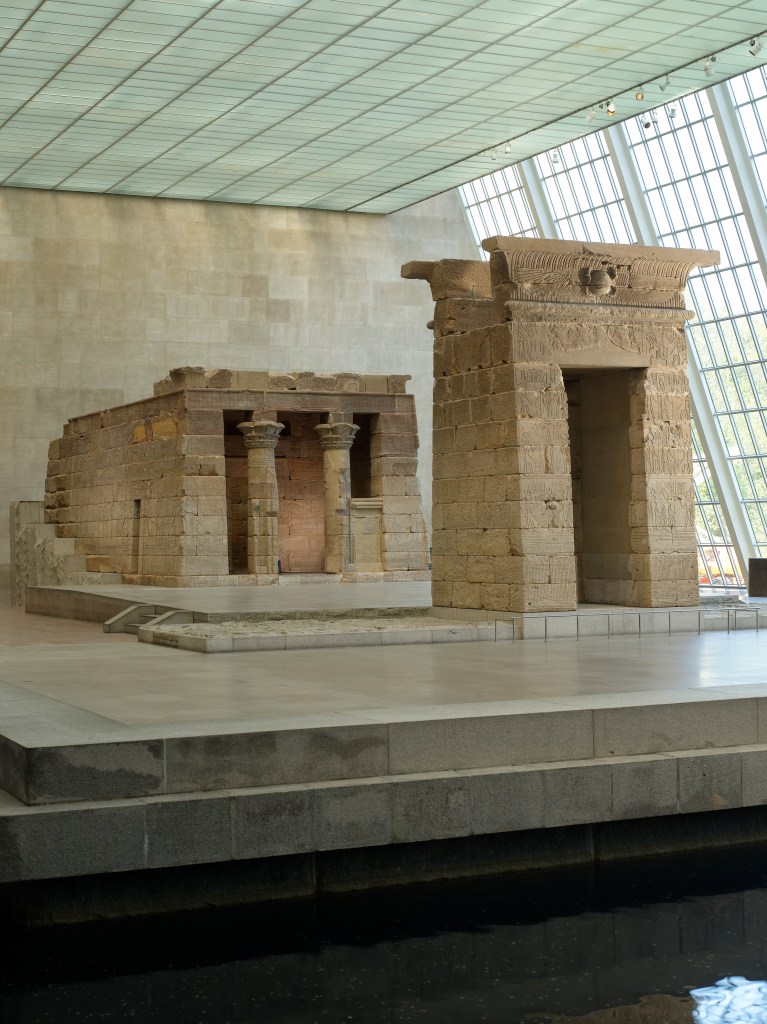
Egyptian Temple of Dendur, removed as part of the UNESCO Campaign to Save the Monuments of Nubia, and “awarded to the Metropolitan Museum of Art” by President Lyndon B. Johnson in 1967 (The Met inv. 68.154; photo is OA)

Over the next eleven episodes, we will be joined by archaeologists, museum curators, and cultural heritage specialists to talk about archaeology, heritage, and the challenges they face. The guests this season address three main themes:
- cultural heritage, looting, and the antiquities trade;
- museums, collecting and display practices, and repatriation;
- colonial practices and legacies in ancient Mediterranean studies.
Throughout this season, we will explore the impact that archaeology and looting have had on communities across the Mediterranean, West Asia, and North Africa. This includes topics like the treatment of local dig workers, the impact of excavations on landscapes and local communities, the theft and removal of material culture and ancestral human remains, the treatment of displaced heritage in museums, and the issues threatening cultural heritage today through war and violence, including deliberate heritage destruction and scholasticide.

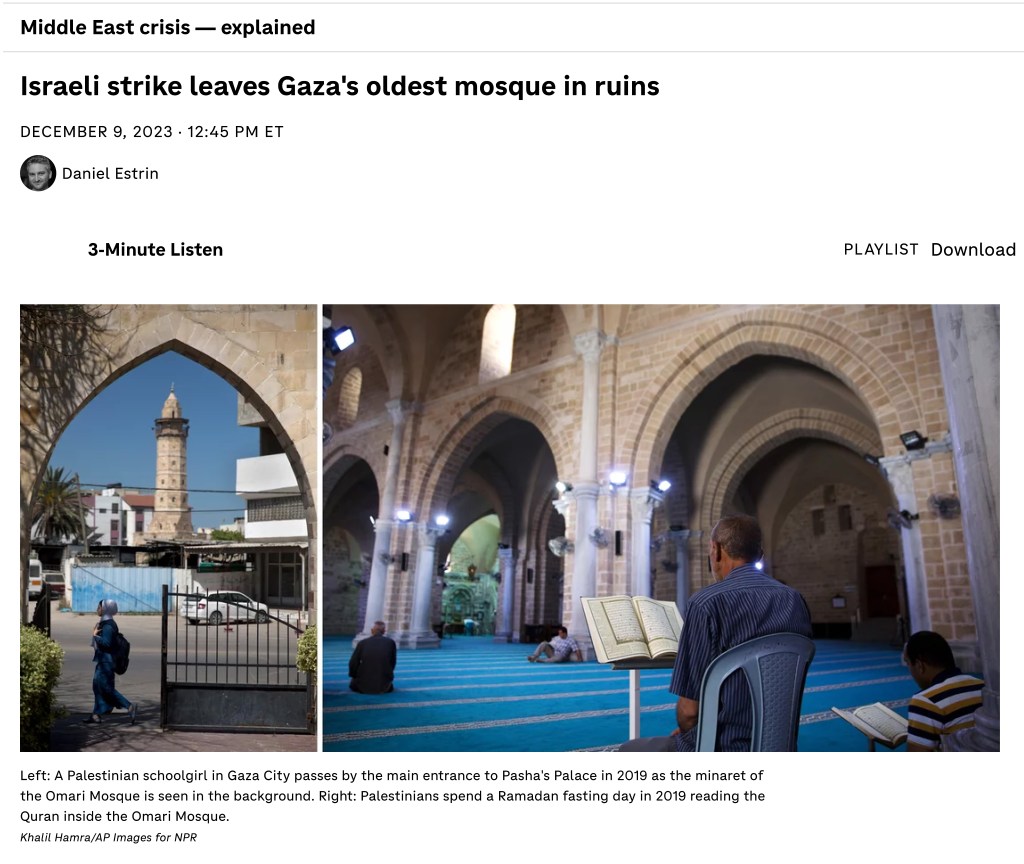
This season we will tackle some of the big questions facing archaeologists and historians today—how has archaeology impacted the communities we work in? What can we do better moving forward? How might we rethink the museum for the 21st century? And what is the future of Classics and Ancient Mediterranean Studies? Have a listen to our preview of Season 4 below and don’t forget to subscribe to our podcast on Spotify or Apple Podcasts!
Looking for a transcript of this episode? Click here.
Notes
- During the episode, Christine mentions the Access for Who? Podcast, which is an excellent 5-part mini-series on digitalization of African heritage.
- For the term “scholasticide”, see the letter from the board of the Middle East Studies Association on the ongoing scholasticide in Gaza, dated September 12, 2024; or the American Historical Associations resolution, passed January 6, 2025. For the impact of scholasticide and heritage destruction on communities, see “What is Heritage without People?” by Georgia Andreou and an Anonymous Student from Gaza.
 Peopling the Past
