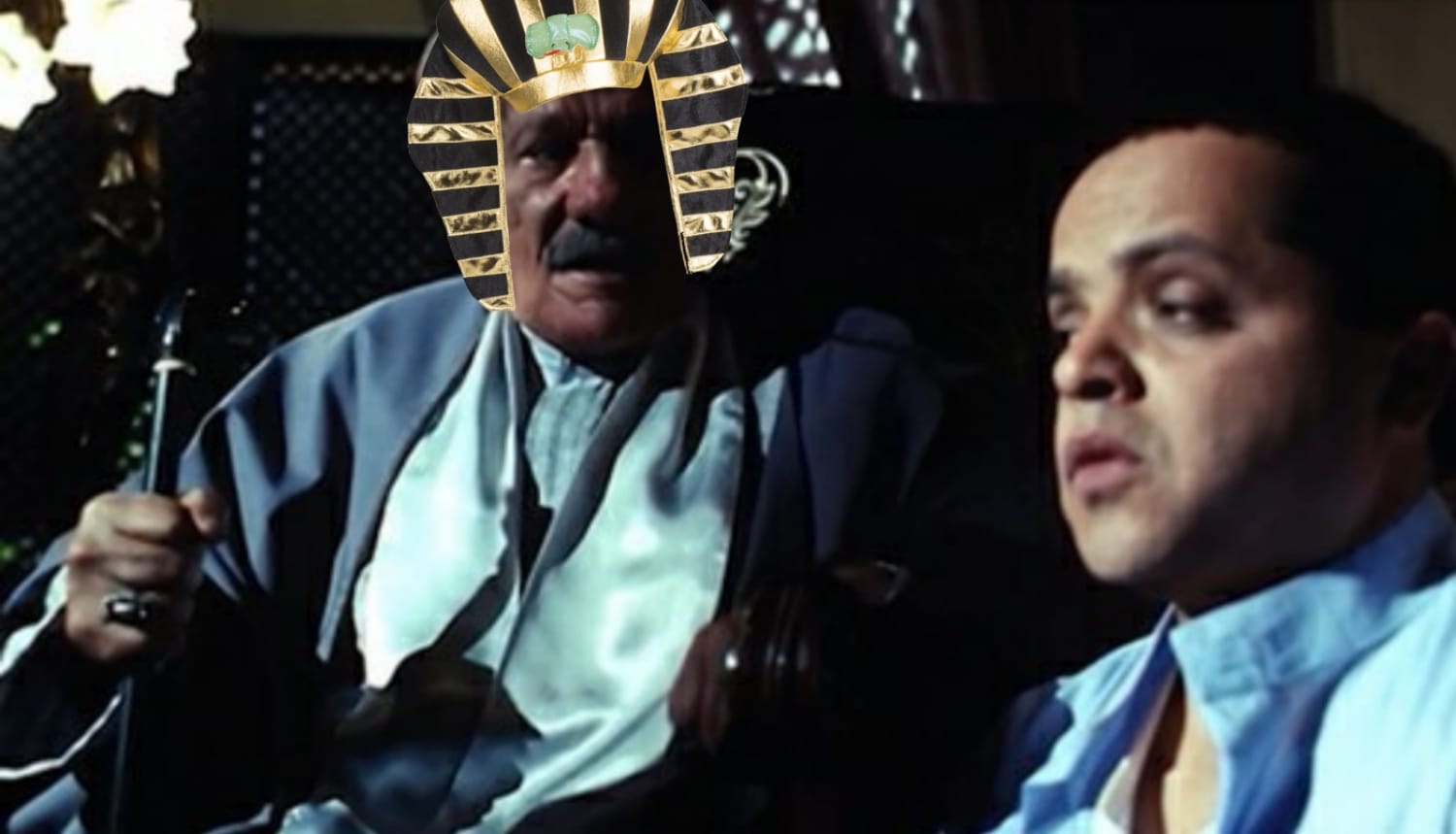
This manifesto is a collective Egyptian attempt to tell the world how to treat our Egyptian mummified ancestral remains with respect; not as museum pieces or tourist curiosities, but as human bodies that once belonged to real people, with names, dreams, and beliefs, all of whom have contemporary Egyptian descendant grandchildren.
NOTE: Arabic version follows the English text
Breaking News: Large pieces of Stonehenge in England have been stolen and transferred to the Grand Egyptian Museum
An important artifact? One of humanity’s greatest heritage sites? Culturally, historically, and socially significant?
What would you do if you woke up to that headline?
We’re here to tell you, from our own perspective, and from the experience of those who were stolen.
Many of our ancient Egyptian artifacts have been looted, not only from our own civilization, but also from other great cultures around the world. And of course, we all know how that happened, and by whose hands. The people who did it might, at some point in history, have been your direct ancestors.
If our past didn’t grant us the luxury or the power to play the role of the “colonizer,” then, sadly, in this story, we were the ones who were plundered, enslaved, and humiliated.
And if today we don’t have the upper hand to reclaim what was stolen, at least we can tell you how to treat the “mummies”, as you call them, with respect. From the moment you find them, until the moment you put them on display.
First: It’s not called a “mummy.” It’s the mummified body of an ancestor
A “mummy” isn’t an artifact, it’s a human being. Or rather, it was a human being, and what remains now are their physical remains.It is a person who had a great past. And according to their beliefs, their body was deeply important because one day their soul would return to it in the afterlife. That’s why the ancient Egyptians invented mummification, and succeeded in preserving bodies for thousands of years.
And because of how extraordinary that achievement was, it was stolen… and you’re still amazed by it today, paying money to go and stare at it.But the truth is, that gaze is an insult. Mummification was never meant for display, it was a sacred act, meant to honor the body, facilitate reverence for its owner, and prepare them to pass through the gates of the day and the afterlife.And if that body never returns to its homeland for the soul to find it, it will never be resurrected.
Second: It’s called Ancient Egyptian Civilization, not Pharaonic Civilization
“Pharaoh” was the king’s title, not every ancient Egyptian was a king. The pharaohs were the wealthiest and most powerful, and their tombs were filled with shining gold.But enough with the gold. Egyptian civilization wasn’t all about gold, and it wasn’t all about the rich individuals who amassed great wealth. When your ancestors coined the word “Pharaonic,” they saw Egypt only through the lens of gold and pyramids, as if the entire civilization was just about the pharaohs.
But the truth is far more important than gold: it’s about the people. The ones who lived and died on this land, and whose remains are now far from their birthplace. Understanding that, and respecting it, matters much more than a term invented by some white pasha (‘lord’) in a top hat in the 19th century.
Third: Think about consent
We talk a lot about consent in our daily lives, so ask yourselves: if this person were alive, would they agree to be displayed like that?And even if they did agree to be exhibited, would they want to be displayed in a country that isn’t their own?
This isn’t a desperate attempt to provoke sympathy. It’s an attempt to find common ground, to understand each other, even if our languages or cultures differ.We’re not that far apart. If you truly believe in human rights and rational thinking, then remember this: every “anonymous coffin” you see holds a human being.A person who had a voice, who expressed themselves through art, writing, and architecture,and the whole world is still learning from them today.
Fourth: Bodies are not lab experiments
Scientific research can be valuable, of course, and you’re welcome to study, but not everybody has to become a research project just to make someone’s academic CV look richer at our expense!Science has evolved; there are other ways to learn while still respecting the body, without violating or desecrating the dead.
Fifth: Enough with the circus vibes!
Unwrapping ceremonies are often humiliating, and the very idea of them is insulting. Opening a tomb isn’t like cutting the ribbon of a new office or a housewarming, it’s a violation of a person and their beliefs.As Egyptians, we’re naturally curious about what our ancestors did, how they thought, and what they believed in. But imagine if we came from Egypt to Great Britain, opened the tomb of your white pasha grandfather, rummaged through it, took out his coffin, threw a big event with cameras and crowds, and invited everyone to join in on opening it up, would that be okay? Even if it were done “in the name of honour, culture, and showcasing the greatness of civilization,” the act itself, stripped of all fancy words, is violent and deeply dehumanizing.
Sixth: Egyptians don’t need a DNA test
The stolen body is labeled as Egyptian. And if it weren’t Egyptian, it wouldn’t hold the same value for you.This is not said to belittle any other civilization, but to acknowledge the greatness of a civilization whose origins we know… and you should, too.
And if you still don’t, gather your friends and take a quick trip to Egypt. Just, please, this time, don’t steal anything!
Seventh: Enough with the yellow filter
Enough deserts, camels, galabeyas, and barefoot villagers. Enough films that make us look grotesque or terrifying.
The remains of our ancestors aren’t “exotic objects” or “ghosts” out to haunt you, they’re people who once lived among us and left behind a magnificent civilization. They deserve proper respect, and their representation should go far beyond the strange, caricatured stereotypes.
Eighth: Enough clichés
“Ancient glory,” “heritage,” “national pride,” “authenticity”… we’ve heard it all before. It’s tired, overused, and honestly, it just makes us laugh now.
Mummified bodies aren’t “mummies,” and they’re not just “symbols.” They’re the remains of humans above all else.Humans who lived full lives, who fought, rejoiced, triumphed, broke down… and died.
And we’re pretty sure they never imagined their final fate would be lying behind glass, under blinding museum lights, for eternity.
Ninth: Listen to Egyptians
The mummified bodies of ancient Egyptians have families, and Egyptians are their living descendants.
It’s your duty to listen to them and take their voices into account. Our perspective may differ from what you’re used to hearing, but they are integral to the discussion.
And please, drop that patronizing tone of “you just don’t understand their value.”
If many of us have lost touch with our roots and historical continuity, it’s because we’ve spent generations receiving our own story through your lens – that of the colonizer – and through a history written as part of the spoils of your endless wars on other peoples.
Tenth: Strategic narcissism vs. strategic empathy
Can the thief ever truly empathize with the stolen?
When you strip away the material gain from the theft of Egyptian artifacts, yet still insist on your “right” to own them and decide their fate from a position of superiority, you somehow think that’s normal. You might even call it a “rescue mission” from their supposedly “ignorant” owners back home.
But in truth, it’s unethical on every level. Try, for once, to put yourselves in our place, as a relative, a descendant, or someone emotionally connected to the person whose body lies before you.
Or even imagine being that body itself, a person who believed that their resurrection in the afterlife could only happen if their name was called, and if they returned to their homeland. That belief never died; it still lives within us.
Even today, when someone drowns in the Nile, we don’t hold a funeral until the body is found and buried. And if it never resurfaces, there’s often no funeral at all.That’s what a community of kinship means, it doesn’t have to be about blood, but about a deep, continuous cultural and emotional bond.That’s exactly what ties us to our ancient Egyptian ancestors.
Eleventh: Tell the whole story, to everyone
If the artifacts remain in your museums, museums whose halls are already filled mostly with Egyptian heritage, then the least you can do is tell your audience how they got there.
Tell the journey, from the initial smuggling and theft, to their display in a foreign land, to the silencing of those who have every right to tell their ancestors’ stories.
Ask yourselves: how did that mummified ancestor end up here? Who took it, when, and how?
People deserve to know the full story of looting and colonization it’s crucial that visitors understand the historical context behind how these remains left their homeland.The right to knowledge, and to a public apology, belongs to the people whose ancestors were taken, not to the visitors or to the researchers (usually Western) who want to ease their guilt.
The truth is clear, people must know, and the descendants of those mummified human ancestors deserve a proper, public apology.
Twelfth: Help the world understand the bigger picture
In the broader context, the ancient Egyptians were part of something deeply human: the instinct for survival and immortality.
We all fear living and dying without leaving something behind that helps others remember us.Some people leave inventions or scientific discoveries. Others leave behind literature, music, films, or art.And the simplest way that humans found to be remembered was to carve their name into stone, “Here lies so and so.”
Everyone who has discovered a tomb or studied ancient Egypt was, in a way, trying to leave a legacy, to be remembered within the academic world.But the irony is that this legacy was built at the expense of another human being, someone who died, was buried, and shared that same instinct: the need to endure, to be remembered, to be immortal.
A person who devoted their life, and built an entire civilization, around the very idea of rebirth and eternity.
———————–
Maybe some of what’s been said here sounds harsh, even confrontational, but in the end, these are the voices of people who were silenced for generations under the weight of colonial power. Does that mean we’re demanding financial compensation for what happened because of colonial culture? Or that we’re blaming the West for our own shortcomings in protecting our heritage? No. What we’re doing is reopening a conversation, one where decisions were made about us, our history, and the remains of our ancestors, without ever inviting us to take part. Just as some people once dug up graves to claim what was never theirs, this article is our way of reclaiming the right to tell our own story.
The ancient Egyptians believed in eternity and life after death. But was being stolen and displayed far from their homeland the kind of immortality they dreamt of? Was that ever their goal?
In the end, we’re not chauvinistic or extremist. We don’t want to bury our heritage or hide it from the world. We’re simply people whose rights were taken, and all we ask is that our ancestors be treated with the same respect as those of any other civilization. History is part of who we are, and disrespecting it only reflects arrogance and a lack of understanding.
Maybe these words won’t matter to many people, or maybe they’ll sound like a burst of anger. But even in our anger, one truth remains clear: we care deeply about our past, we recognize its worth, because only by doing that can we fully live our present and build our future with meaning.
A “mummy” isn’t yours, and it isn’t just ours either.
Above all, it’s a human being.
So either treat it with dignity… or let it rest among its own.
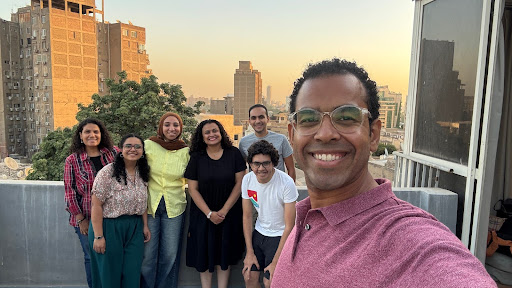
This article was written during a writing workshop in Cairo, Egypt, facilitated by Fatma Elzahraa, in collaboration with Millennial 3al A5er, Egypt’s Dispersed Heritage, and the Horniman Museum and Gardens for Peopling the Past. It’s authors include Basma Nagy (a writer and translator), Fady Samy (a writer who loves vintage things), Hagar Abdelmaged (artist), Mina H. Fekry (architect and visual artist), and Monica Mansour (writer). The documention for this project was undertaken by Hassan Yousry. The authors would also like to thank Medrar for Contemporary Art for hosting the workshop.


“تعمل إيه لو قابلت واحد من أجدادنا المصريين المُحنطين؟” مانيفستو من ١٢ نقطة عن إزاي نتعامل مع المومياوات المصرية، النقطة السابعة ستبهرك!
تمت كتابة هذا المقال في ورشة كتابة بمصر، الورشة تيسير فاطمة الزهراء.
بالتعاون مع “ملنيل ع الآخر” و”آثارنا المتغربة” و “متحف وحدائق هورنيمان بلندن” لمبادرة “أنسنة الماضي”.
المانيفستو دا محاولة مصرية جماعية نقول فيها للعالم: إزاي تتعاملوا مع أجساد أجدادنا المُحنطة باحترام.
مش كقطع متحف، ولا كعجائب سياحية، لكن كأجساد بشرية كانت يومًا ما بشر من لحم ودم، ليهم أسماء وأحلام ومعتقدات وليهم أهل وأحفادهم المصريين المعاصرين.
المشاركات والمشاركون:
بسمة ناجي – كاتبة ومترجمة
فادي سامي – كاتب وبيحب الحاجات القديمة
مونيكا منصور – كاتبة
مينا فكري – مهندس معماري وفنان بصري
هاجر عبد الماجد – فنانة
توثيق: حسن يسري
شكرًا مدرار للفن المعاصر لاستضافتهم للورشة.

“خبر عاجل: سرقة قطع كبيرة من Stonehenge في إنجلترا، ونقلها إلى المتحف المصري الكبير”
أثر مهم؟ من أهم الآثار الإنسانية؟ مهم ثقافيًا وتاريخيًا واجتماعيًا؟
هتعمل إيه لو صحيت على الخبر دا؟
إحنا هنقولك من وجهة نظرنا.. ومن تجربة اللي اتسرق…
كتير من آثارنا المصرية القديمة اتنهبت، مش بس من حضارتنا، لكن كمان من حضارات عريقة تانية حوالين العالم. وطبعًا كلنا عارفين دا حصل إزاي وعلى يد مين. يمكن اللي عملوا كدا في وقت من الأوقات يبقوا أجدادك المباشرين.
إن مكنش في ماضينا رفاهية سطوة إننا نكون في دور “المستعمِر”، للأسف في الرواية دي، كنا الشخص اللي اتنهب واستُعبد واتعرض للإذلال.
وإن كان في حاضرنا النهاردا ما عندناش الكلمة العليا عشان نرجّع اللي اتسرق، على الأقل نقدر نقولكم: إزاي تتعاملوا مع المومياوات (زي ما بتسمّوها) باحترام. من أول ما تلاقوها، لحد ما تعرضوها.
أولًا: مسمهاش “موميا”،اسمها أجساد الأجداد/الأسلاف مُحنطة
“الموميا” مش أثر، الموميا إنسان، أو كانت إنسان ودلوقتي هي بقايا للإنسان دا.
إنسان كان له ماضي عظيم. وبحسب معتقداته، جسمه مهم جدًا عشان يوم ما روحه ترجع له في الحياة التانية. علشان كدا ابتكر المصري القديم التحنيط، ونجح في حفظ الأجساد آلاف السنين. وعلشان عظمة اللي عمله، اتسرق… وإنت لحد النهاردا منبهر بيه، وبتدفع فلوس عشان تتفرج عليه.
بس الحقيقة إن الفرجة دي إهانة. لأن هدف التحنيط ماكانش أبدًا العرض. كان تكريم للجسد، وتقديس لصاحبه، وتحضير له عشان يعدّي بيه لبوابات النهار والعالم الآخر. ولو الجسد دا ما رجعش لأرضه عشان روحه تلاقيه، مش هيبعث.
ثانيًا: اسمها الحضارة المصرية القديمة… مش الحضارة الفرعونية
“فرعون” هو لقب الملك، مش كل المصريين القدماء ملوك، الملوك /الفراعنة كانوا الأغنى، والأقوى واللي قبورهم مليانة دهب بيلمع. بس كفاية دهب. الحضارة المصرية ما كانتش كلها دهب، وما كانتش كلها أغنيا. لما أجدادكم اخترعوا كلمة “Pharaonic”، كانوا شايفين مصر من زاوية الدهب والأهرامات بس. كأن الحضارة دي هي الفراعنة وبس.
لكن الحقيقة أهم من الدهب: الإنسان. الناس اللي عاشوا وماتوا على الأرض دي. وبقاياهم اللي النهاردا بعيدة عن أرض ميلادهم. فهم دا وتقديره أهم بكتير من كلمة اخترعها الباشا الأبيض أبو برنيطة في القرن الـ ١٩.
ثالثًا: فكّروا في الموافقة
بنتكلم كتير عن الـ consent في حياتنا اليومية، اسألوا نفسكوا: لو الشخص دا كان حي، كان هيقبل يتعرض بالشكل دا؟
ولو حتى وافق على العرض، هل كان هيوافق يتعرض في بلد غير بلده؟
دي مش محاولة بائسة للاستعطاف. دي محاولة عشان نوصل لأرضية مشتركة، نفهم بعض حتى لو لغتنا أو ثقافتنا مختلفة. إحنا مش بعيد عن بعض أوي. لو فعلاً بتفكروا بمنطق وبتقولوا إنكم بتهتموا بحقوق الإنسان، يبقى لازم تفتكروا إن كل تابوت مجهول بالنسبالكم… جواه إنسان.
إنسان له شخصية، وليه رأي قاله زمان بكل الطرق: في الفن، في الكتابة، في العمارة. ولسه لحد النهاردا العالم كله بيتعلم منه.
رابعًا: الجثث مش معمل تجارب
الفحوصات العلمية مفيدة طبعًا، وأهلًا وسهلًا، لكن مش كل جثة لازم تبقى مشروع بحث عشان السيرة الذاتية الأكاديمية تبقى ثرية على حسابنا!
العلم تطور وينفع نلاقي طرق تانية تحترم الجسد وتدينا معلومات من غير ما تهين أو تستبيح الأموات.
خامسًا: بلاش أجواء السيرك!
حفلات فك اللفائف أوقات بتكون مهينة، وهي كفكرة أصلًا مهينة، فتح المقبرة مش زي قص شريط افتتاح مكتب ولا بيت. دا انتهاك لشخص ومعتقداته.
كمصريين بيكون عندنا فضول نعرف أجدادنا عملوا إيه وكانوا بيفكروا إزاى وبيعتقدوا ف إيه.
لكن تخيلوا معانا، لو جينا من مصر لبريطانيا العظمى وفتحنا مقبرة جدكم الباشا الأبيض وقعدنا نقلب فيها يمين وشمال وبعدين طلعنا التابوت بتاعه وعملنا حفلة ولمينا ناس وجبنا كاميرات ويالا كلنا نشارك في فتح التابوت دا والتقليب فيه.. هل دا عادي؟
حتى وإن كان الغرض التكريم والعرض وذكر مدى الأهمية والتطور وبناء الحضارة وأول حضارة وأكبر حضارة وخلافه، لكنه بشكل مجرد هو فعل عنيف ومهين إنسانيًا.
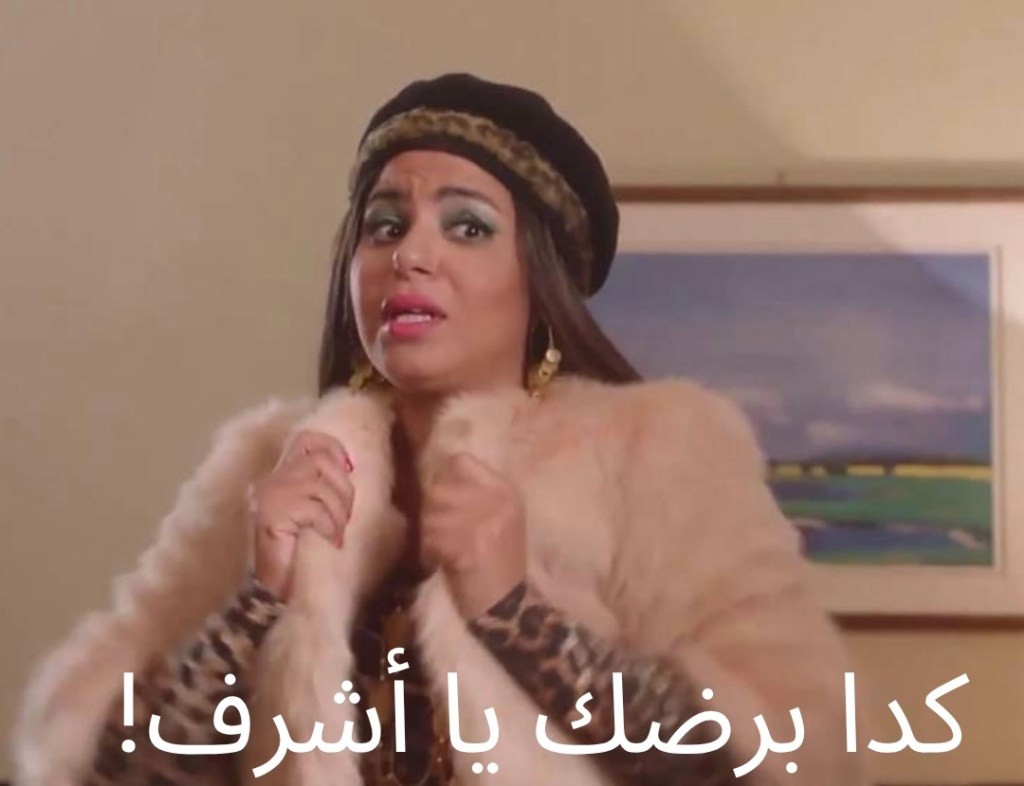
سادسًا: المصريين مش محتاجين إثبات نسب
الجسد المسروق مكتوب إنه مصري. ولو ما كانش مصري، ما كنش هيبقى له نفس القيمة عندكم. مش تقليل من أي حضارة تانية، لكن اعتراف بعظمة حضارة إحنا عارفين أصلها… وإنتوا كمان المفروض تكونوا عارفين.
ولو لسه مش عارفين، اجمعوا أصحابكم واعملوا زيارة سريعة لمصر. بس رجاءً… المرة دي متسرقوش حاجة!
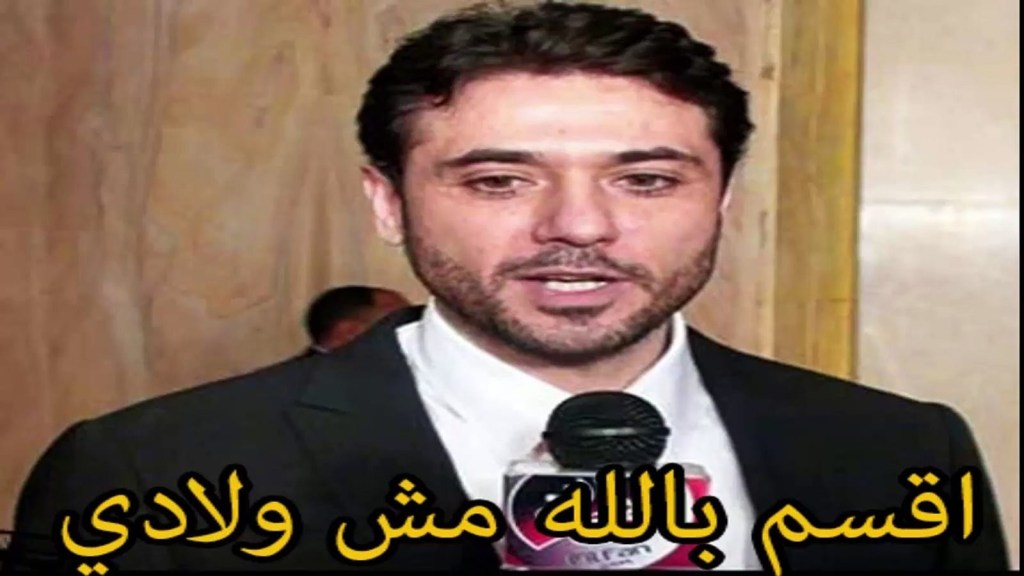
سابعًا: كفاية فلتر أصفر
كفاية صحرا وجِمال وجلاليب وناس حافية، كفاية أفلام تطلعنا بشكل مشوه ومرعب. بقايا الأجداد مش “حاجة غريبة” ولا “أشباح” مرعبة هتصطاد أرواحنا، دول ناس عاشوا بيننا وتركوا حضارة عظيمة، يستحقوا الاحترام الكافي ليهم، وتمثيلهم لابد إنه يكون أبعد وأعمق من مجرد الشخصيات الكاريكاتيرية الغريبة.

ثامنًا: كفاية كليشيهات
“العراقة”، “الحضارة”، “الفخر الوطني”، “الأصالة”… الكلام ده خلاص اتقال كتير وبقى قديم، ومبقاش ياكل معانا، بقى بيضحكنا شوية الحقيقة.
الأجساد المُحنطة مش “موميا”، ومش مجرد “رمز”. دي بقايا إنسان قبل أي حاجة. إنسان عاش حياة كاملة: صارع، فرح، انتصر، انكسر… وفي الآخر مات. وماكانش في خياله أبدًا إن مصيره يبقى جوه فاترينة إزاز، والكهارب ضاربة في وشه طول مدة العرض.
تاسعًا: اسمعوا للمصريين
الأجساد المُحنطة للمصريين القدماء ليها أهل… والمصريين هما أهلها. وواجب إنكم تسمعوا لهم وتاخدوا صوتهم في الحسبان. ممكن رأينا يختلف عن اللي متعودين تسمعوه، لكن وجوده أساسي. وبلاش بقى النغمة بتاعت “أصلكوا مش عارفين قيمتها”.
لو في كتير مننا فقدوا الاتصال بجذورهم وامتدادهم التاريخي، فدا بسبب السنين اللي عشناها وإحنا بنستقبل روايتنا عن نفسنا من خلالكم: كمستعمر، ومن خلال تاريخ اتكتب كجزء من غنايم حروبكم المتكررة والمستمرة على الشعوب.
عاشرًا: النرجسية الاستراتيجية Vs التعاطف الاستراتيجي
هل السارق يقدر يتعاطف مع المسروق؟
لما تستبعدوا المنفعة المادية من سرقة الآثار المصرية، وتفضلوا تتبجحوا بحقكم في امتلاكها وتقرير مصيرها من موقع متعالٍ، بتشوفوا دا طبيعي. يمكن حتى شايفينه “مهمة إنقاذ” من أصحابها “الجهلة” اللي هناك!
بس الحقيقة إن دا لا أخلاقي بكل المقاييس. جربوا تحطوا نفسكم مكاننا: كقريب، أو نسيب، أو حد عنده صلة شعورية بصاحب الجسد اللي قدامكم.
أو حتى مكان الجسد نفسه، اللي كان مؤمن إن بعثه في العالم الآخر مش هيتم إلا لو نُودي باسمه، وخرج من أرضه. المعتقد ده ما اندثرش، ولسه عايش جوانا. إحنا هنا لما حد يغرق في النيل، مش بناخد عزاه غير لما جثته تطلع، وندفنه. ولو الجثة ما ظهرتش… في الغالب العزا ما بيتعملش.
دا بيوضح معنى “مجتمع نسب”، مش لازم يبقى نسب دم، لكن نسب ثقافي وشعوري ممتد. ودا بالضبط اللي بيربطنا بأجدادنا قدماء المصريين.
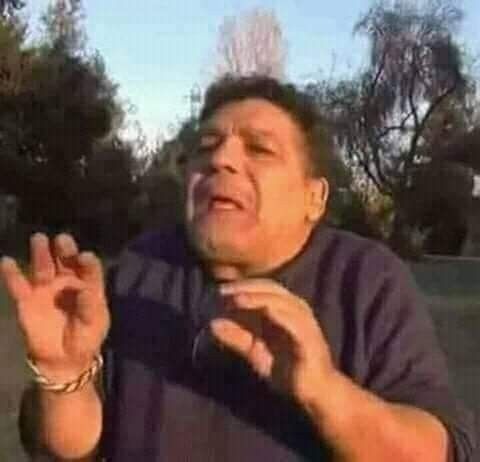
حداشر: احكوا الحكاية كاملة للكل
لو الآثار هتكون عندكم وبتتعرض في متاحفكم اللي أغلب محتوياتها مصرية أصلًا، فاللي يليق ويشجّع هو إننا نحكي إزاي الآثار والجثث وصلت عندكم أصلاً، الرحلة من التهريب للعرض في مكان غريب، لحد إن أصحاب الحق الحقيقيين مالهمش قوة أو صوت ييجوا يحكوا قصة أجدادهم.
اسألوا نفسكوا: إزاي وصلت الموميا عندكم؟ مين أخدها، وإمتى، وبأي طريقة؟، الناس ليها الحق تعرف قصة النهب والاستعمار كاملة. من المهم جدًا إن الزوار يفهموا سياق خروج الآثار من بلدها.
الحق في المعرفة والاعتذار العلني حق لأصحاب البقايا، مش مجرد حلول بتراعي مشاعر زوار أو تخفف إحساس الباحثين -اللي في الغالب غربيين- بالذنب. الحق واضح: الناس لازم تعرف، وأصحاب البقايا ليهم حق في اعتذار لائق ومُعلن.
اتناشر: عرفوا العالم السياق الأكبر
في سياق أوسع، المصريين القدماء كانوا جزء منه: غريزة الإنسان في البقاء والخلود. كلنا بنخاف نعيش ونمشي من غير ما نسيب حاجة تخلّي حد يفتكرنا. في ناس بتسيب اختراعات واكتشافات علمية، في ناس بتسيب أدب، موسيقى، أفلام، أو أعمال فنية. وأبسط طريقة الإنسان عرف بيها يسيب ذكرى كانت إنه يكتب اسمه على حجر: “هنا يرقد فلان”.
كل واحد اكتشف مقبرة أو عمل أبحاث عن المصريين القدماء، كان بشكل ما بيحاول يسيب أثر لنفسه، يبقى ذكرى في المجتمع العلمي. بس المفارقة إن دا بيحصل على حساب إنسان تاني مات، واتدفن، وكان عنده نفس الغريزة: البقاء والخلود. إنسان كرس حياته، وبنى حضارة كاملة حوالين فكرة البعث والخلود.
يمكن الكلام اللي اتقال هنا فيه حدة أوقات، أو شكله هجومي، بس في الآخر دي أصوات ناس اتكتم صوتها سنين طويلة تحت سطوة الاستعمار. هل دا معناه إننا بنطلب تعويض مباشر عن اللي حصل بسبب الثقافة الاستعمارية؟ أو إننا بنعلّق فشلنا أوقات في حماية تراثنا على الغرب؟ لأ. إحنا بس بنفتح تاني موضوع اتاخدت فيه قرارات تخصنا وتخص تاريخنا وبقايا أجدادنا، من غير ما حد يدعونا نشارك. زي ما في ناس نبشت في القبور علشان تستولي على حاجات مش من حقها، إحنا في المقال دا بنزيح التراب عن حقنا في إننا نحكي قصتنا بنفسنا.
القدماء المصريين كانوا متيمين بفكرة الخلود والحياة بعد الموت. فهل السرقة والعرض بعيد عن حضارتهم كان شكل الخلود اللي حلموا بيه؟ هل ده كان هدفهم أصلًا؟
في النهاية، إحنا لا شوفينيين ولا متعصبين. مش عايزين ندفن تراثنا ونمنعه عن باقي العالم. إحنا أصحاب حق اتسلب، وكل اللي طالبينه إن أجدادنا تُعامل باحترام زي أي حضارة تانية. التاريخ جزء مننا، وإهانته مش بتعكس غير نظرة فوقية وعدم تقدير. يمكن الكلام دا مايهمش ناس كتير، أو يبان مجرد فورة غضب. بس -حتى لو- في عز غضبنا الحقيقة بتبان: إحنا غيرانين على ماضينا، مقدرين قيمته، عشان نعرف نعيش حاضرنا ونبني مستقبلنا.
“الموميا” مش ملككم، ومش مجرد ملكنا برضه. هي قبل كل شيء إنسان.
إما تعاملوها بكرامة… أو رجّعوها تنام وسط أهلها.
Like our content? Consider donating to Peopling the Past. 100% of all proceeds support honoraria to pay the graduate students and contingent scholars who contribute to the project.
Make a monthly donation
Make a yearly donation
Choose an amount
Or enter a custom amount
Your contribution is appreciated. Please note that we cannot provide tax receipts, as we are not a registered charity.
Your contribution is appreciated. Please note that we cannot provide tax receipts, as we are not a registered charity.
Your contribution is appreciated. Please note that we cannot provide tax receipts, as we are not a registered charity.
DonateDonate monthlyDonate yearly Peopling the Past