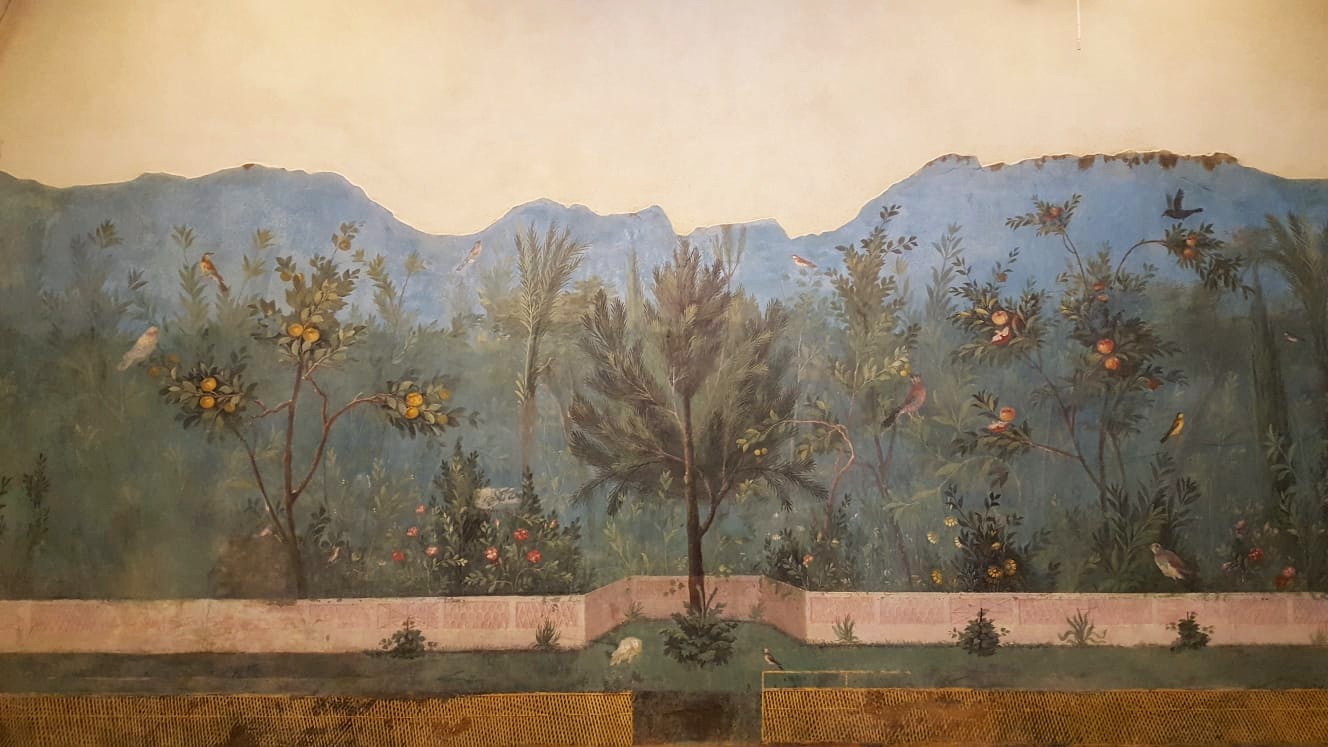
This week we kick off our Earth Month series with a blog post from Dr. Kaja Tally-Schumacher. Here, she takes us through her work on Roman gardens and the ways in which archaeologists can recover, reconstruct, and reflect on the presence, specialized knowledge, and experiences of laborers and other non-elite people in the Roman world.
Category Archives: Uncategorized
Blog #118: Let’s Play Antiquity with Eduardo M. García-Molina
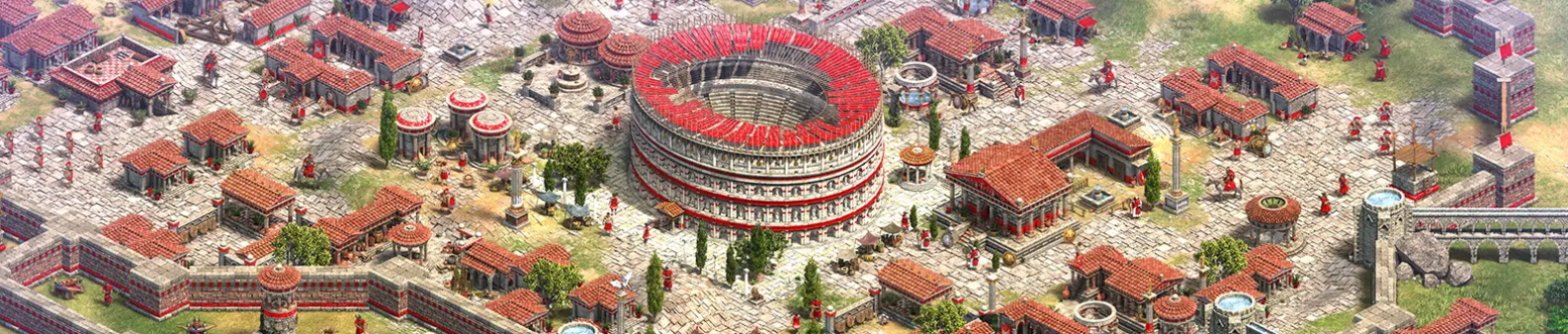
Our latest instalment of the blog, features the exciting pedagogical work of Eduardo García-Molina, Assistant Professor of Classics at the University of Illinois Urbana-Champaign. Here, he takes us through his course “The Ancient World in Video Games” to highlight the value of bringing gaming into the modern university classroom.
Blog #117: Teaching Ancient in a Digital Age: an NEH-Funded Institute for Ancient Mediterranean Studies Educators with Christine Johnston and Leigh Anne Lieberman
In this week’s blog post, Drs Christine Johnston and Leigh Anne Lieberman introduce us to their new NEH-funded project, “Teaching Ancient in a Digital Age.” This institute aims to equip Ancient Mediterranean studies faculty with essential digital skills and resources that take into account the evolving educational landscapes. Through virtual and in-person workshops, participants will develop lesson plans focused on data and digital literacy, which will enhance student engagement and prepare them to teach using the newest digital technologies applied through pedagogical best practices.
Blog #116: Disassembled Cyborgs: Interpreting Cretan Warriorhood and War Booty through Disability Theory with Jesse Obert
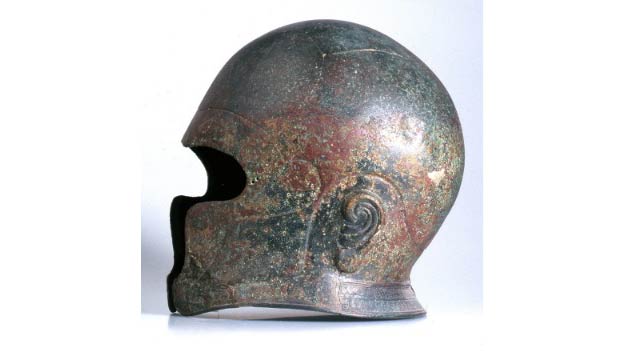
In this week’s blog post, Jesse Obert, Assistant Professor of Ancient Greek History at the University of South Florida, takes us through his research on warriorhood in Crete and the ways in which we can think about war booty through the lens of disability theory.
Blog #115: Uncovering the Romans: A Tale of Participation in Archaeology on Hadrian’s Wall with Marta Alberti-Dunn

In this week’s blog post, Dr. Marta Alberti Dunn reflects on her research on the history of volunteers on Hadrian’s Wall and the evolution of those tasked with performing skilled labour on the excavation of this site.
Blog #114: The Labor of Care: Accession Cards from MohenjoDaro (Pakistan) with Uzma Z. Rizvi
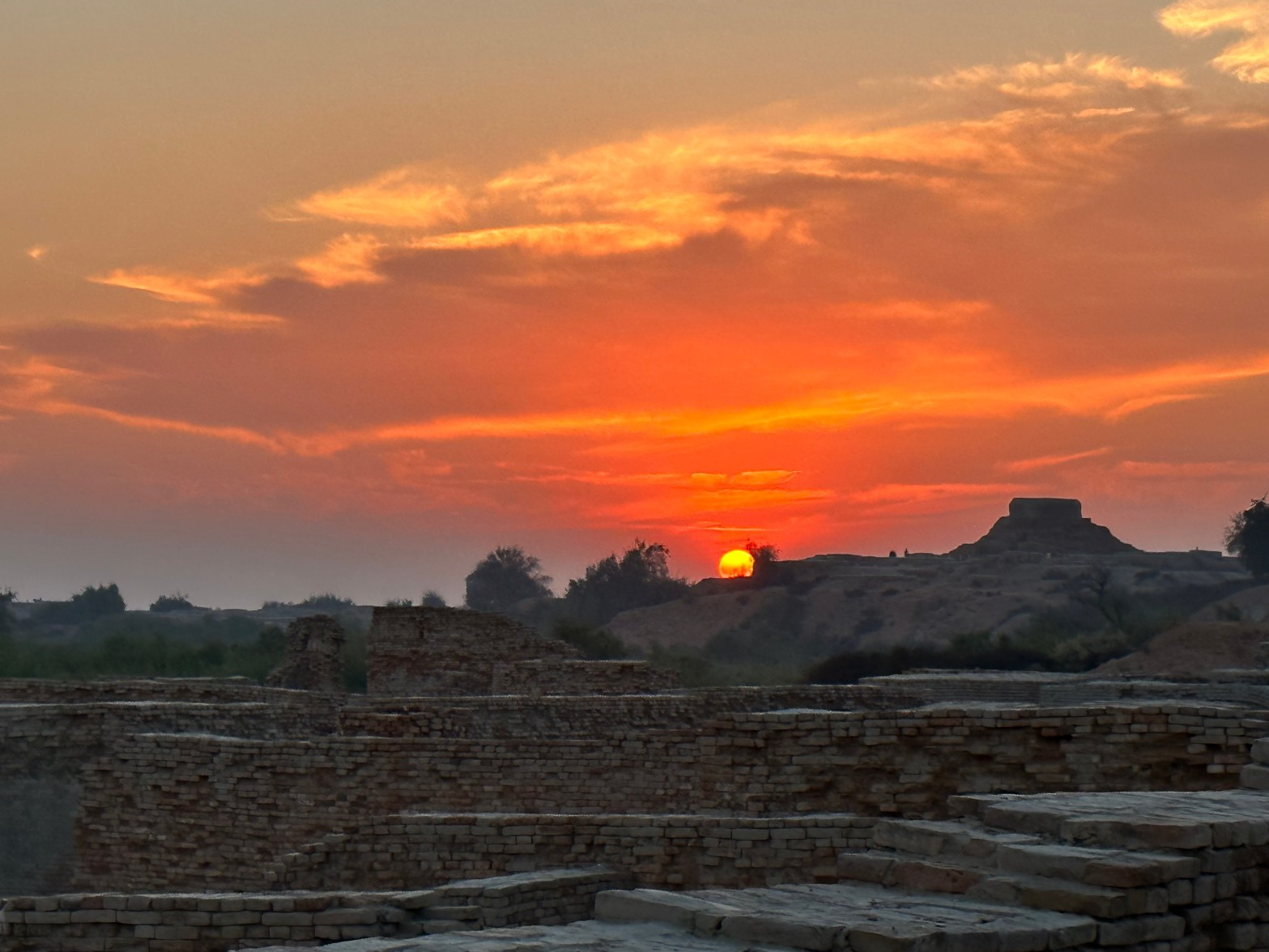
This week, we feature the work of Uzma Z. Rizvi, whose project at MohenjoDaro in Pakistan highlights the ways in which archaeologists can engage in decolonial, non-extractive, and generative approaches in their use of legacy data and archival history through the framework of an archaeology of care.
Blog #113: Pannonians Abroad? New Evidence from a Roman Auxiliary Base in Central Turkey with Andrew L. Goldman
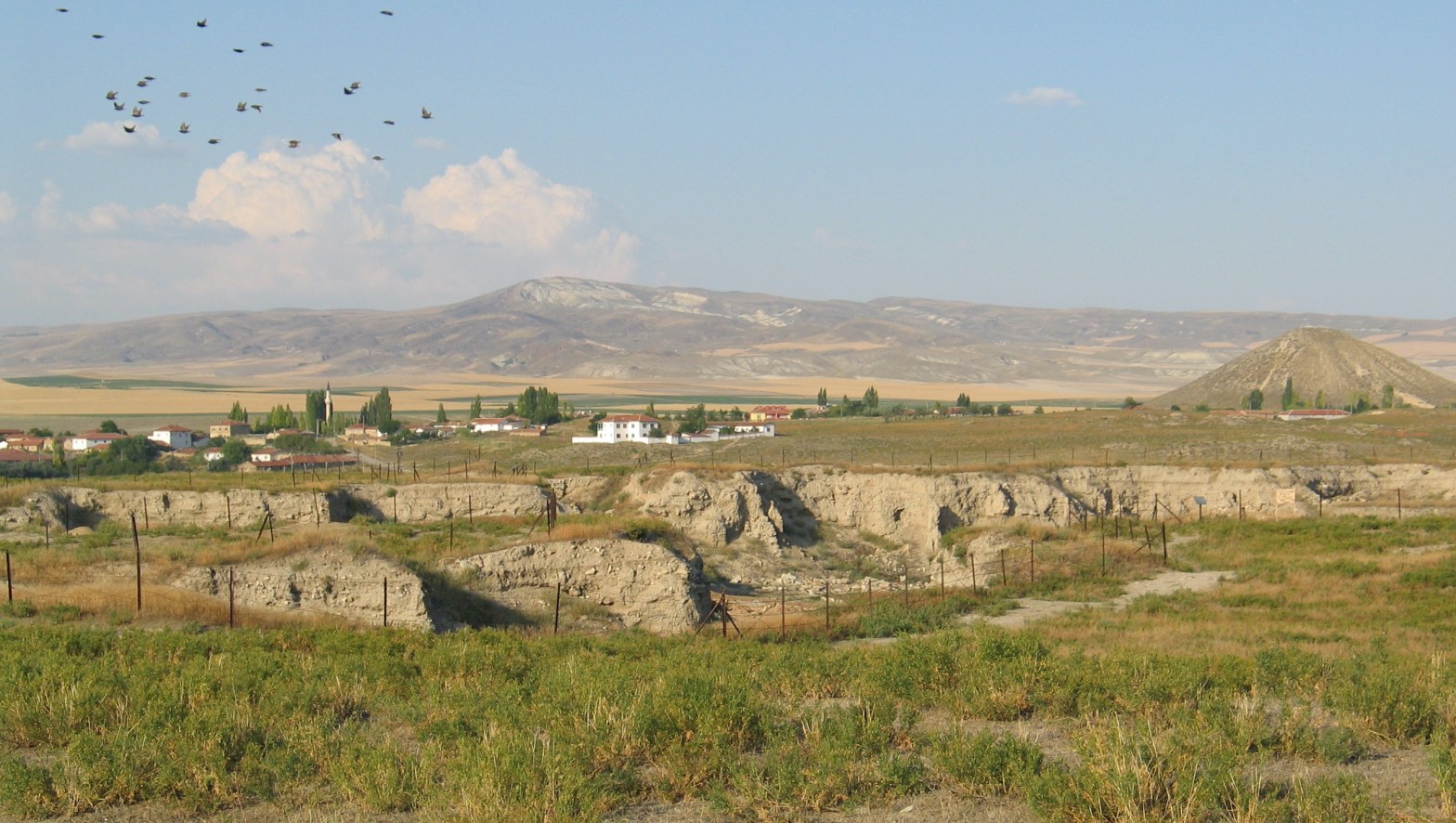
In this week’s blog post, Andrew L. Goldman takes us through his archaeological project at the ancient Roman auxiliary base at Gordion in central Anatolia, and the possibility that Pannonian soldiers were stationed at this site. Here, he highlights the role played by non-Romans in the military, while also using archaeological evidence to characterize auxiliary bases as multi-gendered and multi-generational spaces.
Blog #112: “What Should You Do When You Encounter One of Our Egyptian Mummified Ancestors?” A 12-Point Manifesto on How to Deal with Egyptian Mummified Ancestral Remains with Egypt’s Dispersed Heritage Project
In this week’s blog post, we feature the work of our Egyptian colleagues from the Egypt’s Dispersed Heritage project. Here, they offer us a 12-point manifesto which highlights the ways in which the public can treat Egyptian mummified ancestral remains and their contemporary descendant communities with the dignity and respect that they deserve.
Blog Post #111: Telling New Stories: Do We Need to Display the Egyptian Dead? with Lisa Saladino Haney
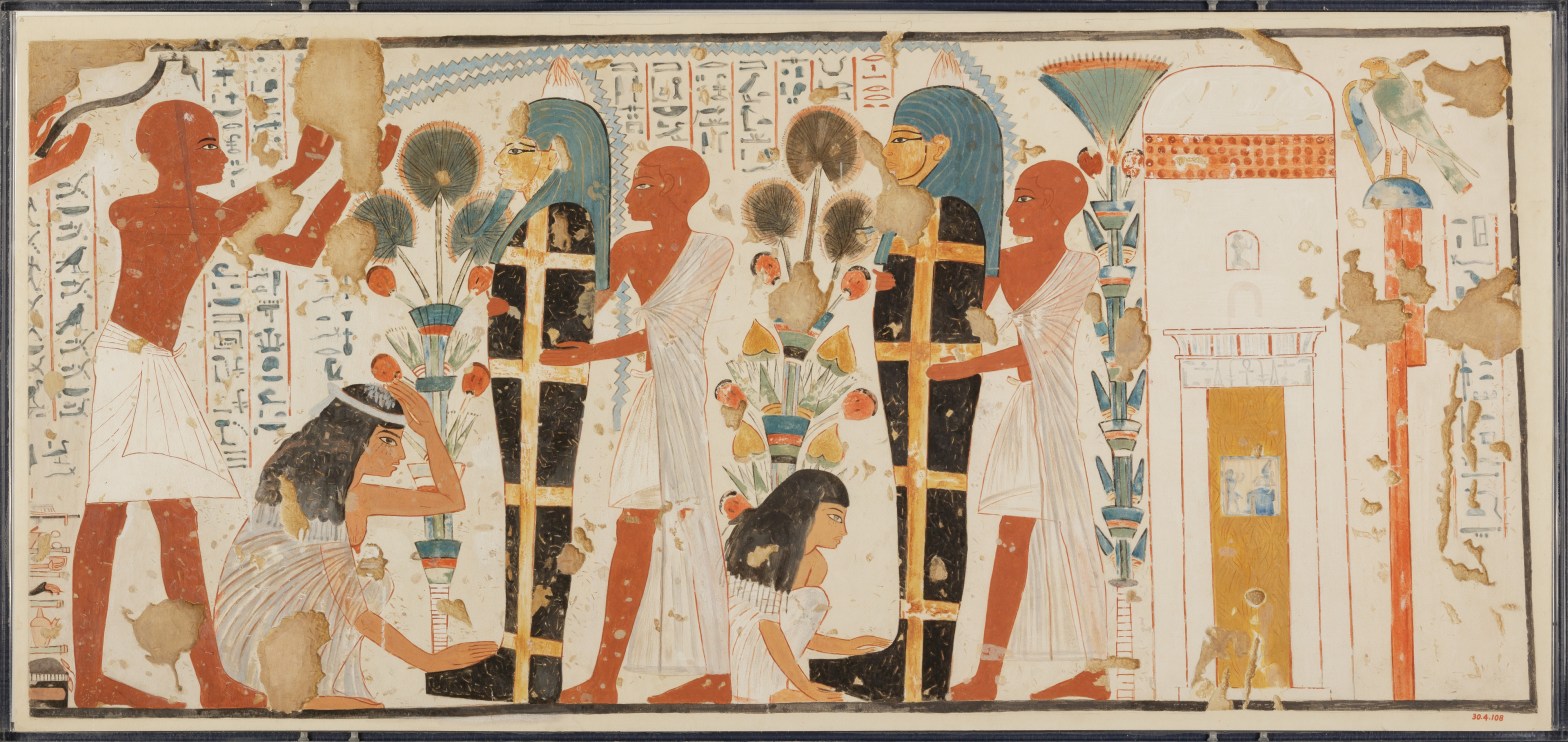
In this week’s blog post, Dr. Lisa Saladino Haney takes us through her work on the Carnegie Museum of Natural History’s new “Egypt on the Nile” project, in which they are re-imagining the ways that we conceive of museum exhibitions related to ancient Egypt and the ethical treatment of the mummified human remains in the care of their museum.
Blog #110: Paeonia and the Paeonians in the Historical and Archaeological Evidence with Goran Sanev
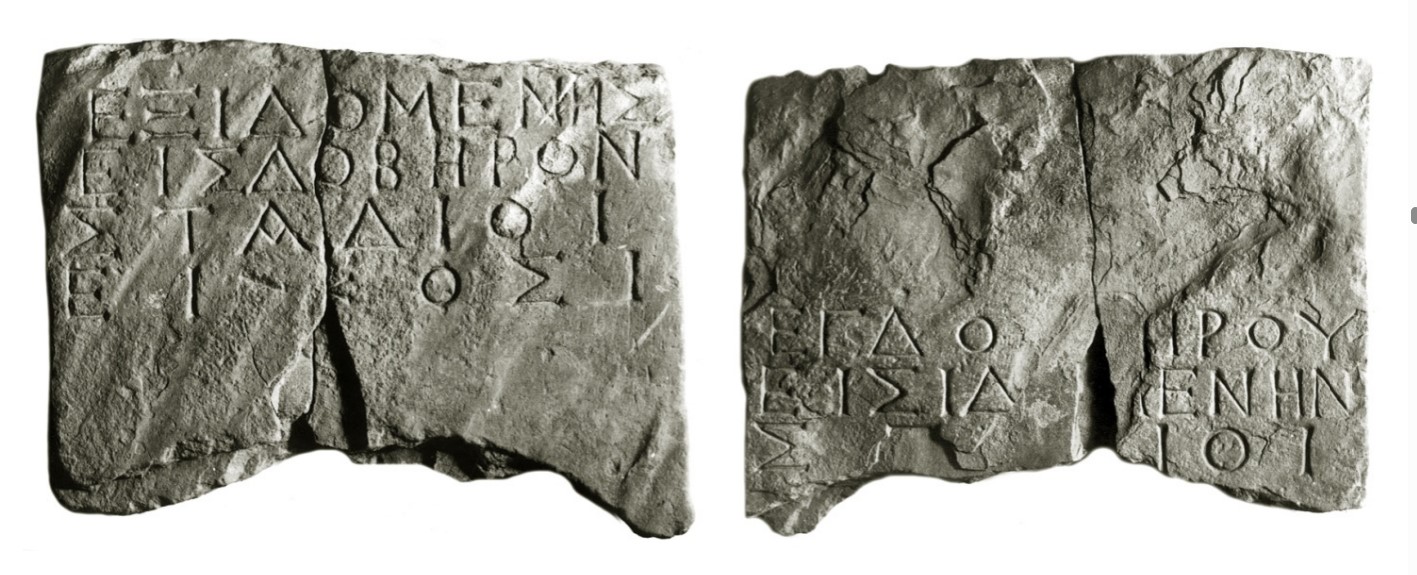
In this instalment of our “Unknown Peoples” Series, Goran Sanev, the Curator Adviser at the National Archaeological Museum of North Macedonia and PhD Candidate at Simon Fraser University, takes us through the historical and archaeological evidence for the Paeonians, one of the oldest proto-historical communities in the Central Balkans.
 Peopling the Past