
Welcome back to another academic year over here at Peopling the Past. In our first blog post of the season, we highlight the work of Kevin Wong, a PhD student at Harvard University, whose work examines the history of online gaming in a bid to trace the cultural and commercial uptake of “epic” as an ideology for digital entertainment.
Tag Archives: rome
Blog #123: Lingua Vitae: Learning Latin in Virtual Reality by Lissa Crofton-Sleigh (with Special Thanks to Em Dang)
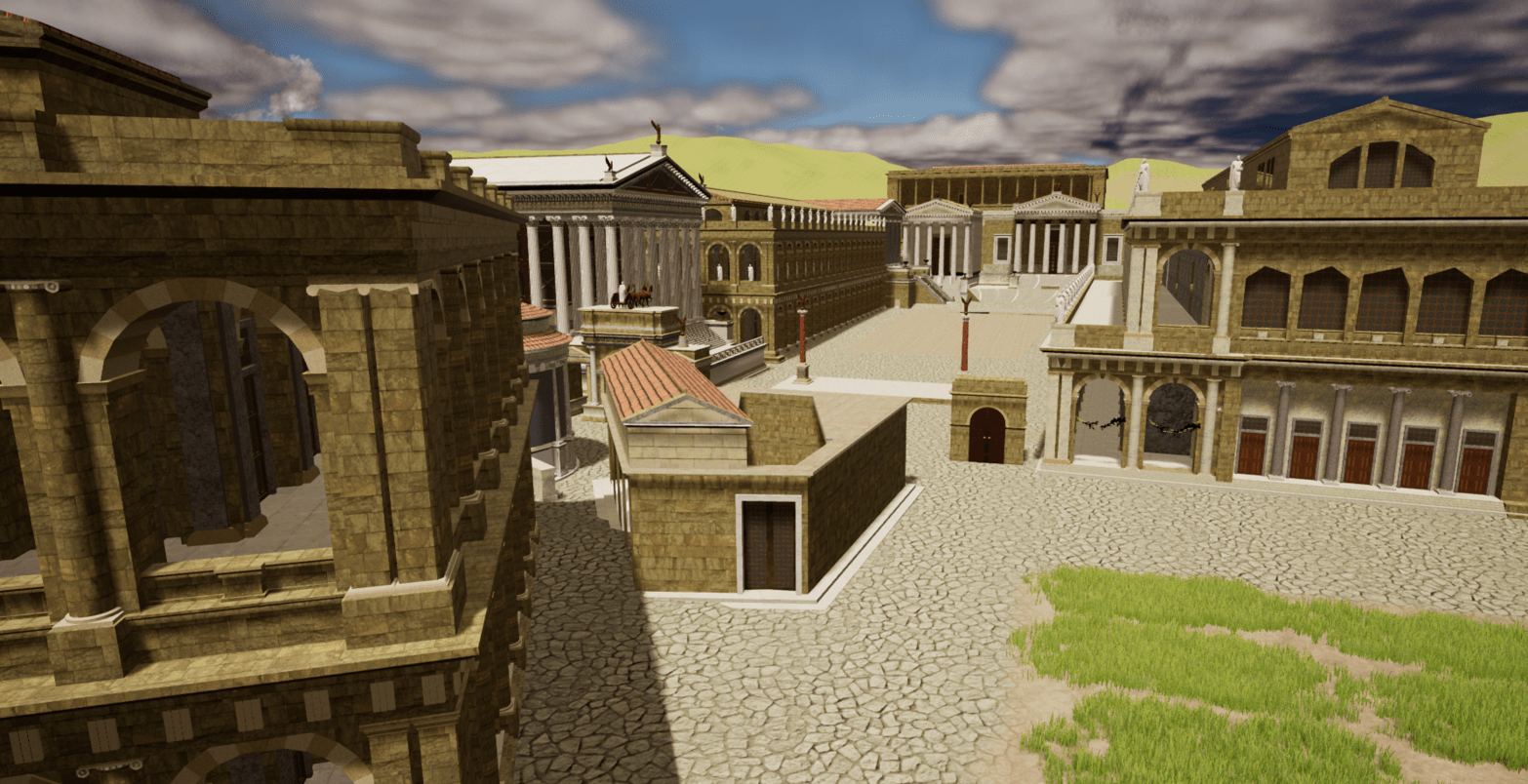
This week on the blog Lissa Crofton-Sleigh and Em Dang showcase their work on Lingua Vitae, a Latin language supplementary learning program encased within an historically authentic, ancient environment in virtual reality (VR).
Blog #121: Healthy Living in Rome’s Green Spaces with Andrew Fox
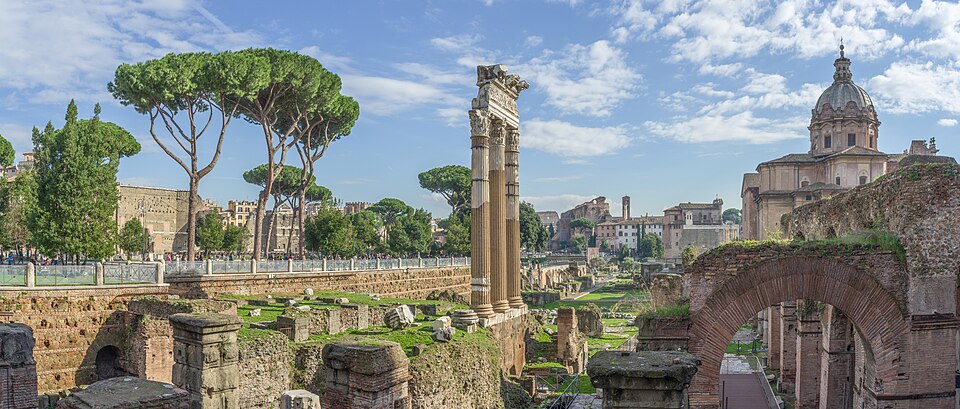
We continue our Earth Month series with a blog post from Andrew Fox. Here, Andrew introduces us to the ways in which Roman writers contemplated the potential health benefits of integrating green spaces into the city of Rome.
Blog #120: Artificial Lighting Systems in Pompeian Gardens and Baths with Emily Lime
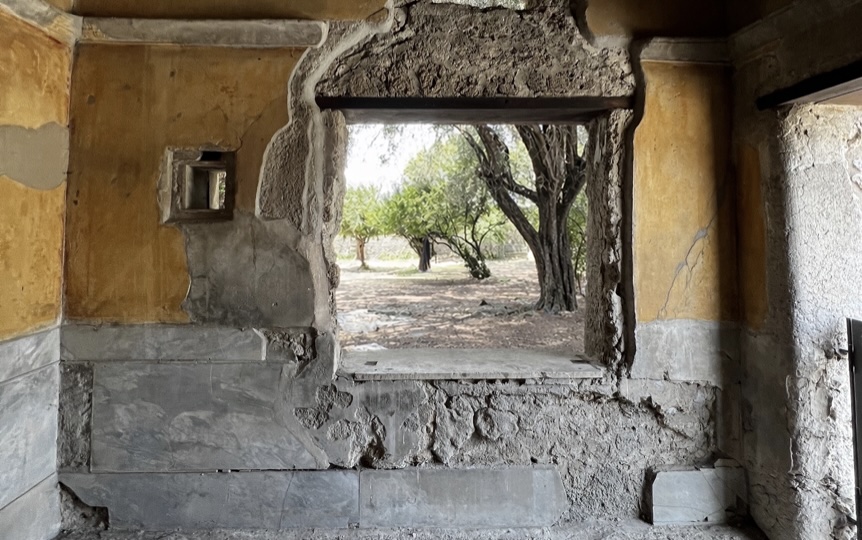
We continue our Earth Month series with a blog post from graduate student Emily Lime. Here, Emily discusses how Pompeians engineered light to address the aesthetic, social, and practical concerns of the home, in environments where darkness, smoke, and fire posed real challenges.
Blog #119: Unseen Hands: Recovering the Experiences of Garden Laborers in the Roman World with Kaja Tally-Schumacher
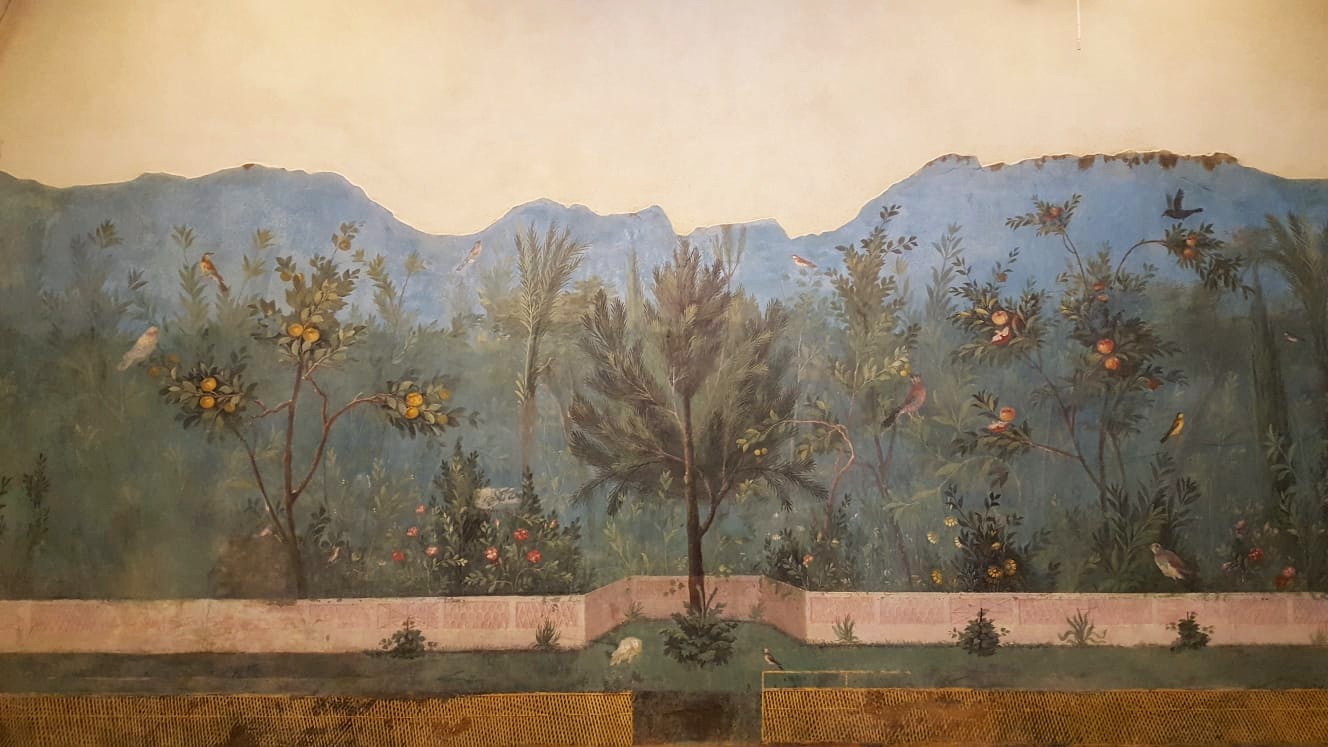
This week we kick off our Earth Month series with a blog post from Dr. Kaja Tally-Schumacher. Here, she takes us through her work on Roman gardens and the ways in which archaeologists can recover, reconstruct, and reflect on the presence, specialized knowledge, and experiences of laborers and other non-elite people in the Roman world.
Blog #118: Let’s Play Antiquity with Eduardo M. García-Molina
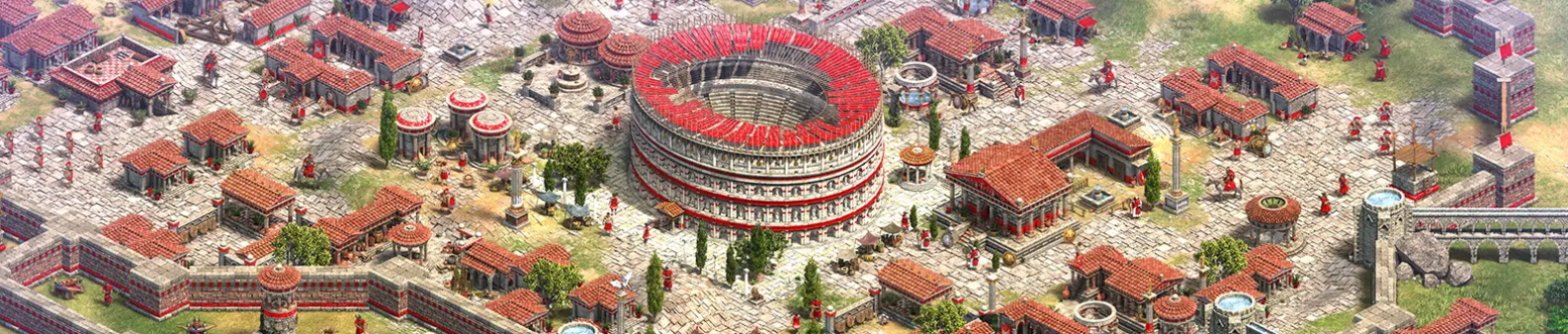
Our latest instalment of the blog, features the exciting pedagogical work of Eduardo García-Molina, Assistant Professor of Classics at the University of Illinois Urbana-Champaign. Here, he takes us through his course “The Ancient World in Video Games” to highlight the value of bringing gaming into the modern university classroom.
Blog #113: Pannonians Abroad? New Evidence from a Roman Auxiliary Base in Central Turkey with Andrew L. Goldman
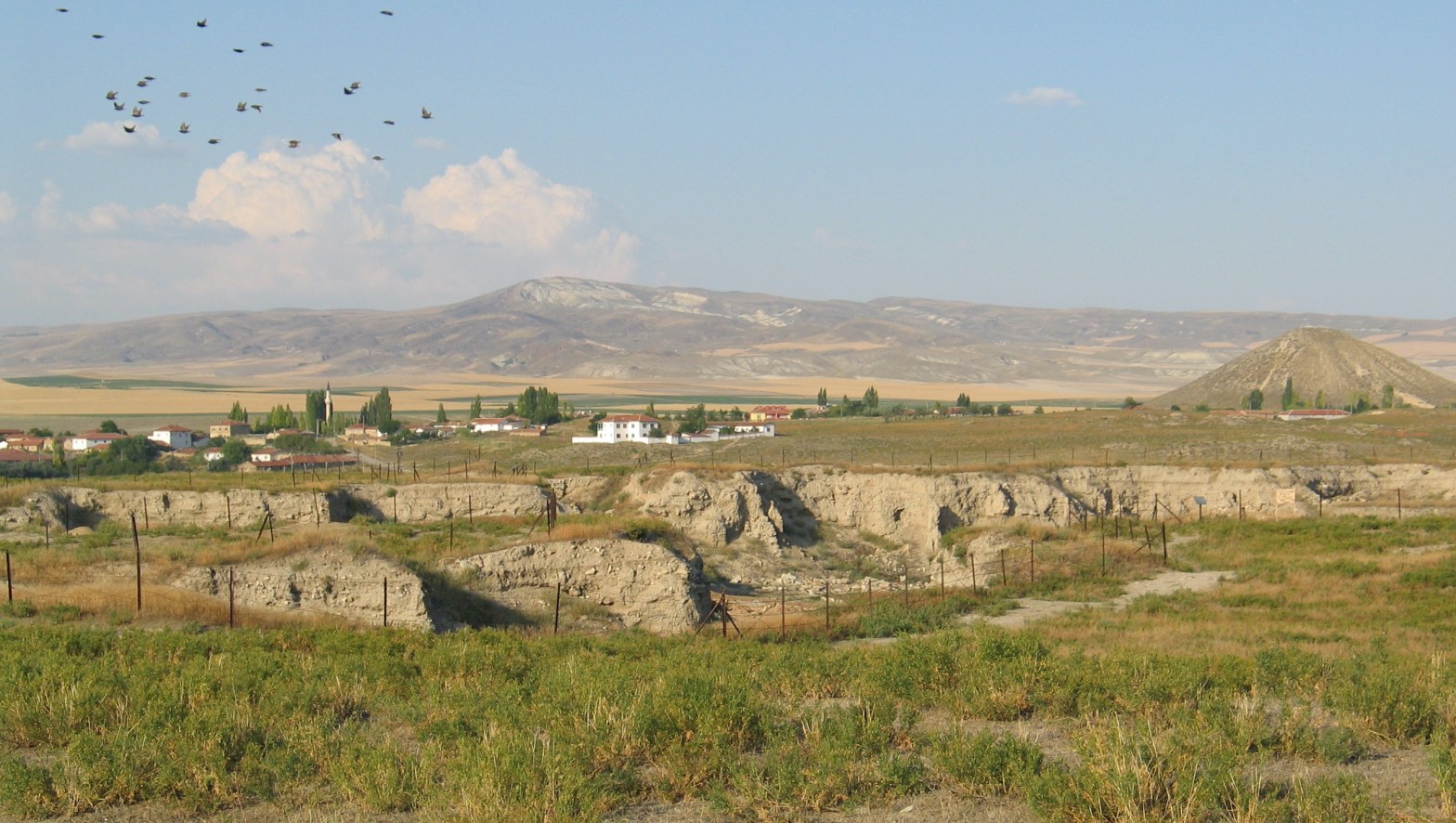
In this week’s blog post, Andrew L. Goldman takes us through his archaeological project at the ancient Roman auxiliary base at Gordion in central Anatolia, and the possibility that Pannonian soldiers were stationed at this site. Here, he highlights the role played by non-Romans in the military, while also using archaeological evidence to characterize auxiliary bases as multi-gendered and multi-generational spaces.
Blog #109: Graduate Student Feature with Lylaah L. Bhalerao: On Serendipity and Sanskrit in the Study of the Mediterranean World
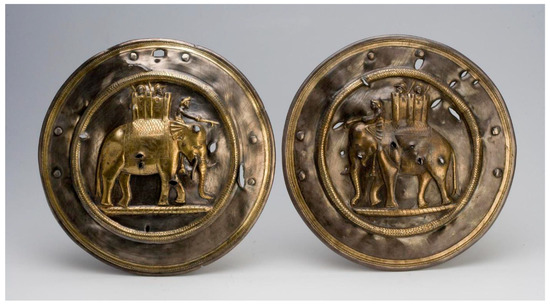
We are kicking off the 2025/26 academic year over here at Peopling the Past with a blog by Lylaah L. Bhalerao, a PhD Candidate at the Institute for the Study of the Ancient World at New York University. Here, she takes us through her research on elephants in the ancient world and the way that serendipity and Sanskrit have informed her current research.
Blog Post #107: Tomb Robbers, Warehouses, and Vases: Giving Looted Antiquities a New Life with Marie Hélène van de Ven
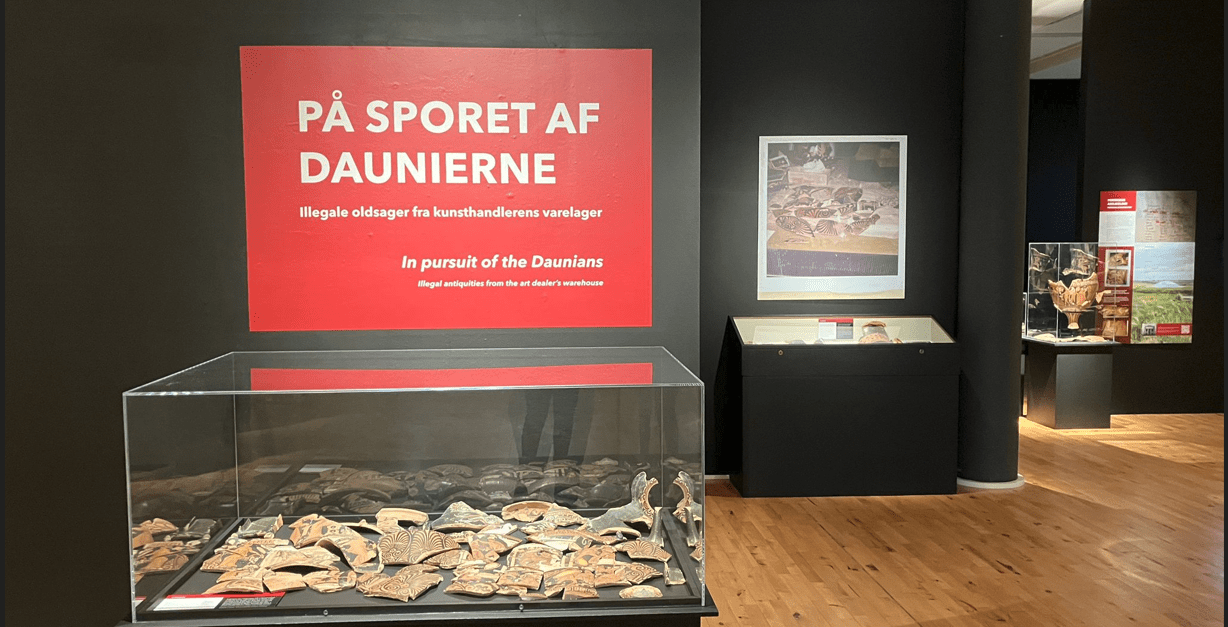
In this week’s blog post, Marie Hélène van de Ven, a PhD student at Aarhus University, explores the ethics of studying looted artefacts without reinforcing the very networks through which they were illegally acquired. Here, she shares a component of this research based on her work with the Illicit Antiquities in the Museum project at Antikmuseet, Aarhus University.
Blog Post #101: Peopling the Past Celebrates “Ancient Pasts for Modern Audiences” at the AIA

Join us at the Archaeological Institute of America Annual Meeting (hybrid!) as we celebrate the release of the upcoming open-access volume, “Ancient Pasts for Modern Audiences: Public Scholarship and the Mediterranean World.”

