In this week’s blog post, we interview Dr. Gino Canlas, a postdoctoral researcher with the Database of Religious History at the University of British Columbia. This project is an open access resource that offers a large-scale study of historical evidence and trends in religious experience from the Neolithic period to the present day. Dr. Canlas will be sharing his work on this project at our upcoming colloquium, “Presenting the Past: Responsible Engagement and Mediterranean History”.
Author Archives: Peopling the Past
Blog Post #76: Interview with Heba Abd el Gawad of Egypt’s Dispersed Heritage Project
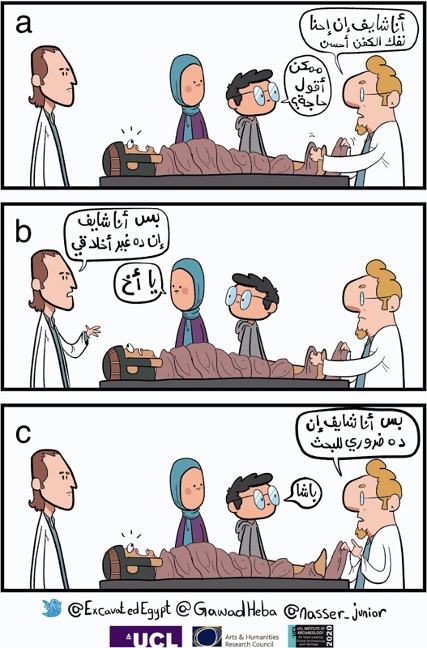
In this week’s blog post, we interview Dr. Heba Abd el Gawad, Egyptologist and project researcher for the AHRC funded project: “Egypt’s Dispersed Heritage: Views from Egypt”. Her research aims to amplify the voice, visibility, and validity of modern Egyptian communities in UK museums. Dr. Heba Abd el Gawad will be presenting this work at our upcoming colloquium, “Presenting the Past: Responsible Engagement and Ancient Mediterranean History”.
Podcast Season 3, Episode 8 – Not a Puella, Not Yet a Femina: Roman Girlhood with Lauren Caldwell
On this episode of the Peopling the Past Podcast, we are joined by Dr. Lauren Caldwell, who takes us through her work on puberty and girlhood and the practices that surround these life stages in the Roman Empire.
Podcast Season 3, Episode 7 – Do Not Afflict the Widow: the Women of Ancient Nubia with Jacke Philips
On this episode of the Peopling the Past podcast, we are joined by Dr. Jacke Philips who introduces us to her work on women in ancient Nubia, including the lives of rulers, royals as well as everyday women, through an examination of their graves, tattoos, statues, and the historical sources that make reference to women.
Blog Post #75: Interview with Christine Johnston of the Ancient World in 3D Project
In this week’s blog post, we interview Dr. Christine Johnston, the coordinator of the Ancient World in 3D Project (and video editor for Peopling the Past), who takes us through a collaborative project with several graduate students at Western Washington University which examines the use of 3D printed and replica materials in teaching about ancient cultures and societies. Christine and project member Alan Wheeler will be presenting this project at our upcoming colloquium, “Presenting the Past: Responsible Engagement and Ancient Mediterranean History”.
Podcast Season 3, Episode 6 – Beyond the Bare Bones: Women in the Osteological Record with Efthymia Nikita
In this instalment of the Peopling the Past Podcast, we are joined by Dr. Efthymia Nikita, an assistant professor in bioarchaeology at the Science and Technology and Archaeology and Culture Research Centre.
Listen in, as Dr. Nikita gives us an overview on the methods used in bioarchaeological research, the ways in which we can differentiate biological sex in the archaeological record and what we can learn about the lives of women through an analysis of their bones.
Blog Post #74: Interview with Flora Kirk of Flaroh Art
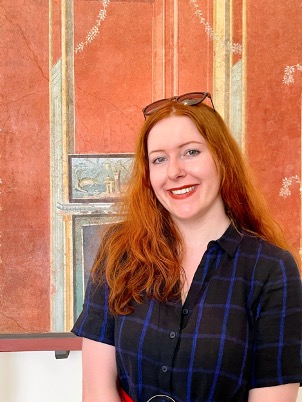
In February and March we are featuring public scholars who work across a number of media to represent the ancient world in creative and responsible ways. Our first interview features Flora Kirk, freelance artist who boldly brings the ancient Mediterranean world to life through her vivid and inspiring art.
Blog Post #73: Phoenicians and the Making of the Mediterranean: An Interview with Dr. Carolina López-Ruiz
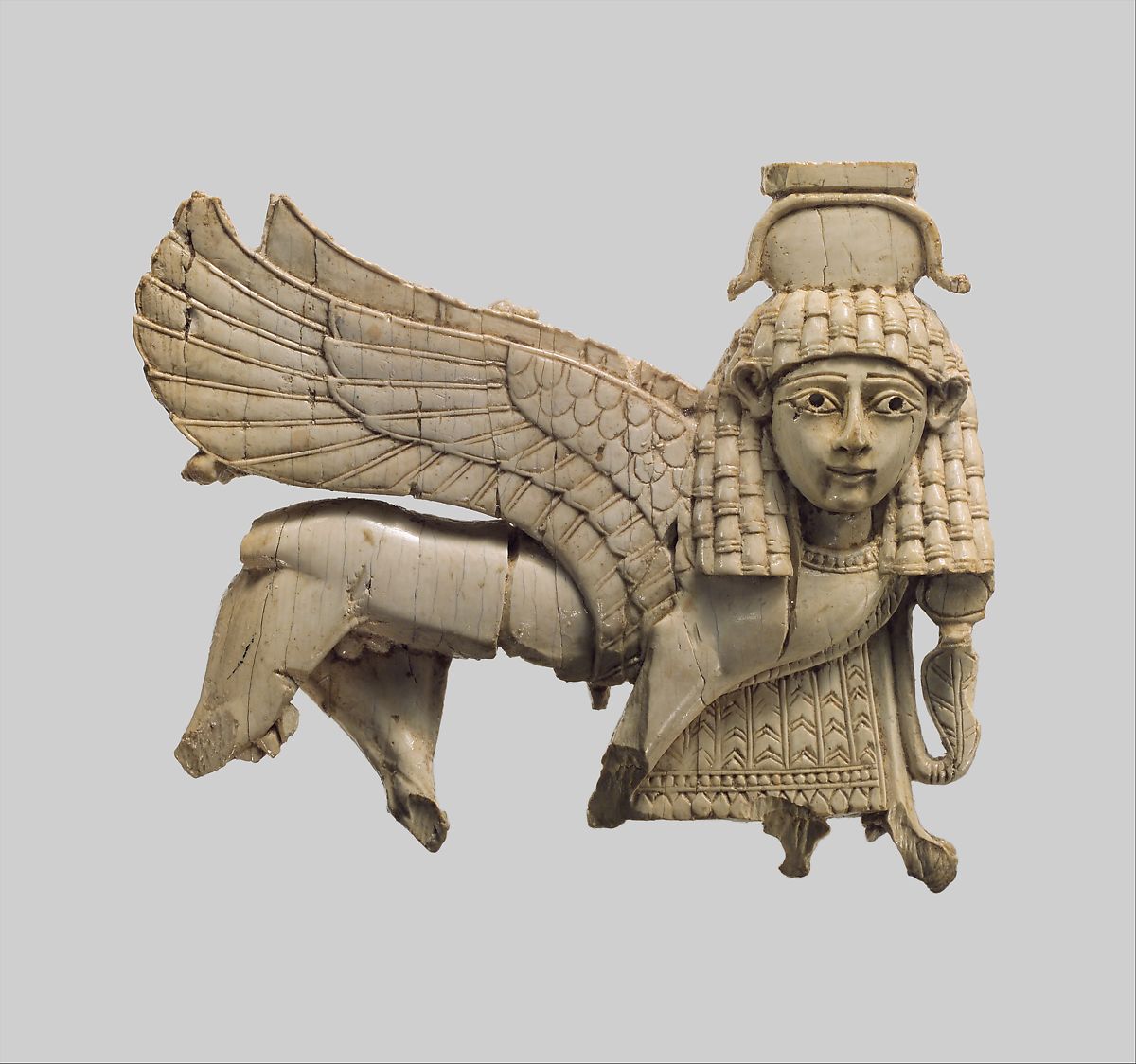
Today for our last blog entry about modern constructions of east and west, Dr. Carolina López-Ruiz talks to us about the marginalisation of the Phoenicians, and the struggle to focus on the under-represented peoples of the ancient Mediterranean.
Blog Post #72: Solving the Riddle of the Sphinx with Thierry Petit
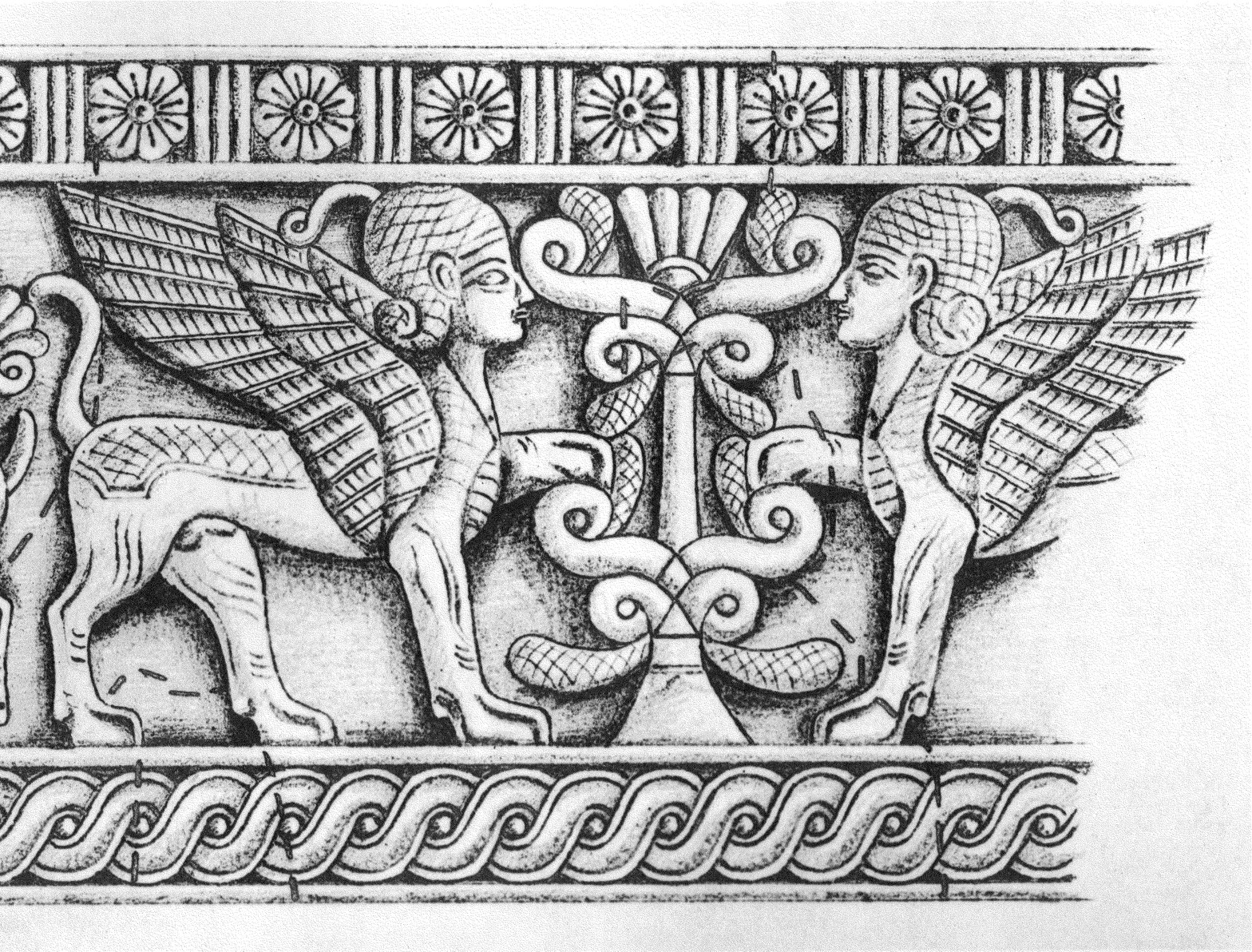
Today we continue to explore modern constructions of east and west with Thierry Petit, who discusses the origins and significance of the Sphinx in the ancient Mediterranean.
Blog Post #71: Connecting Humans, Animals, and Things: Work Animal Objects in the Greek World with Adam DiBattista
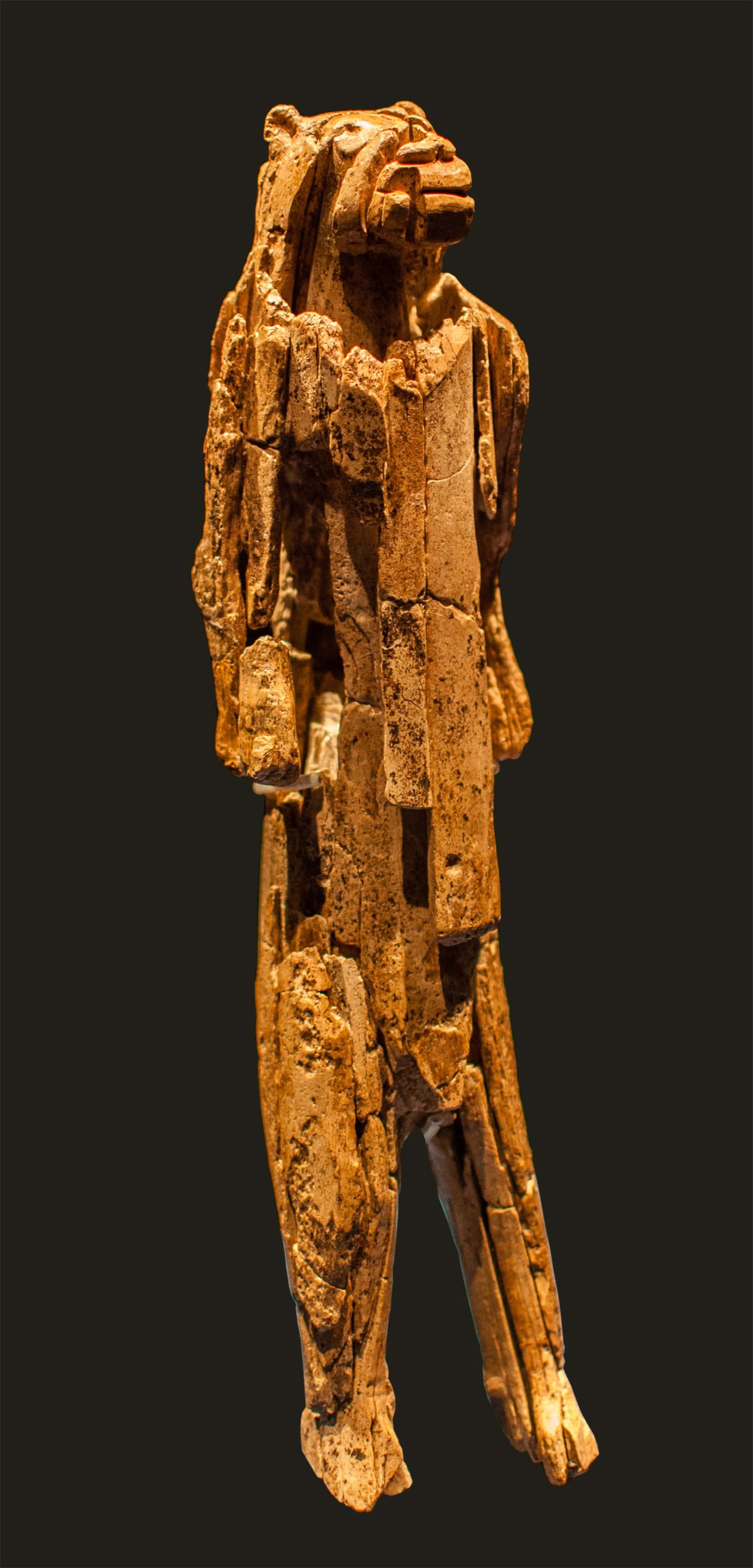
This week as we continue to explore modern constructions of east and west, we take a look at the work of Adam DiBattista who studies the creation and use of objects made from durable animal remains in ancient Greece.
 Peopling the Past