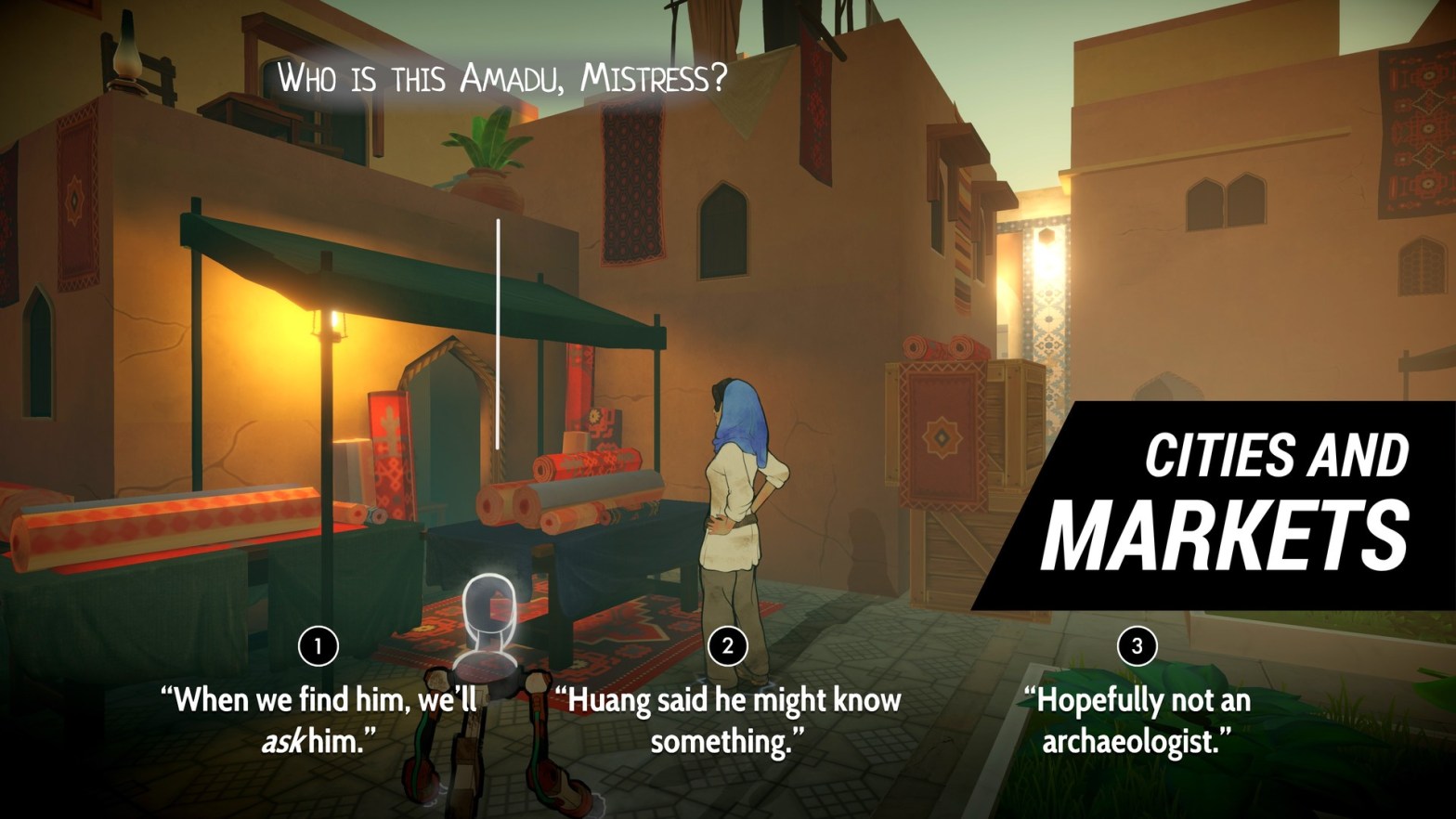
In the second instalment of gaming month, Tine Rassalle talks to us about how video game developers can take gamers back in time with historically accurate representations of the ancient world, but also how they can sometimes miss the mark.
Tag Archives: archaeology
Blog Post #51: Digitizing Empire: Studying Ancient States with Video Games with Eduardo García-Molina
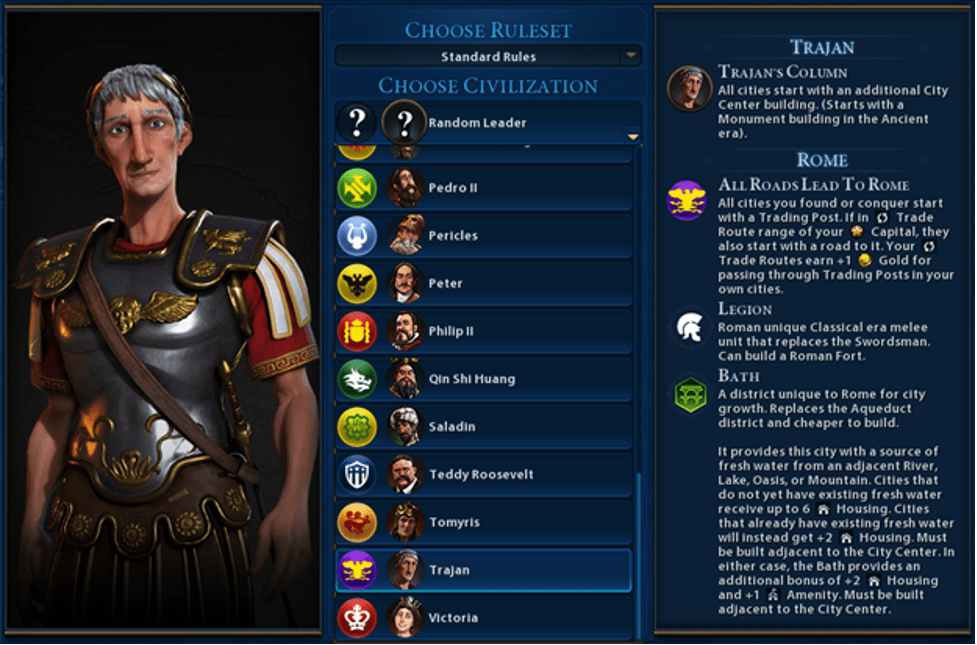
To begin gaming month at Peopling the Past, we take a look at the work of grad student Eduardo García-Molina, who discusses the complexities involved when perceptions of the ancient world are translated into video game narratives.
Blog Post #49: Bringing the Beers of Ancient Mesopotamia Back to Life with Tate Paulette

In the third installment of our food-and-drink-themed blog series, we explore the work of Tate Paulette, an archaeologist whose recent work has been focused on Mesopotamian beer brewing, and engaging with the public by way of beer-tasting events!
Video #20: Beer in Ancient Egypt with Amr Shahat
In the twentieth instalment of the Peopling the Past video series, Dr. Amr Shahat discusses plant remains and evidence for beer production in ancient Egypt, including recipes and additives, as well as the impact of beer on personal health.
Blog Post #46: Graduate Student Feature with Brittany Bauer

In this week’s Peopling the Past blog post, we present you with another graduate feature. This week we take a look at the work of Brittany Bauer, a PhD student at the University of Bristol, whose research focuses on the culture and foodways of the poor in Roman Italy, and specifically their use of wild plants.
Blog Post #45: Rediscovering the Sealand: A Little Known Bronze-Age Dynasty in Southern Iraq with Daniel Calderbank

To start off the new year, Peopling the Past brings you another Unknown Peoples blog post. This week we are featuring the work of Daniel Calderbank, an archaeologist and ceramicist who gives us a fascinating look into Sealand, a wetland territory which was home to several important ancient cities such as Ur, Uruk, Larsa, and Lagash.
Blog Post #41: Animals, Isotopes, and Bronze Age Elites on Sardinia with Emily Holt
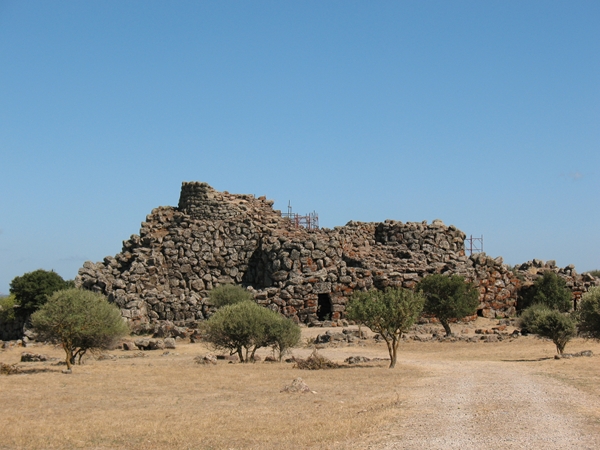
In this blog post, we delve into the exciting research of Dr. Emily Holt, an environmental archaeologist, whose research uses isotope analysis of animal remains to understand patterns of human and animal mobility, economic structures, and political expansion in ancient Sardinia (c. 1700-1000 BCE).
Blog Post #30: Producing the short film “Sēmata (Signs)” for the curated exhibition, “An Archaeology of Disability” with Christopher Tester, Pia Hargrove, and Caroline Cerilli
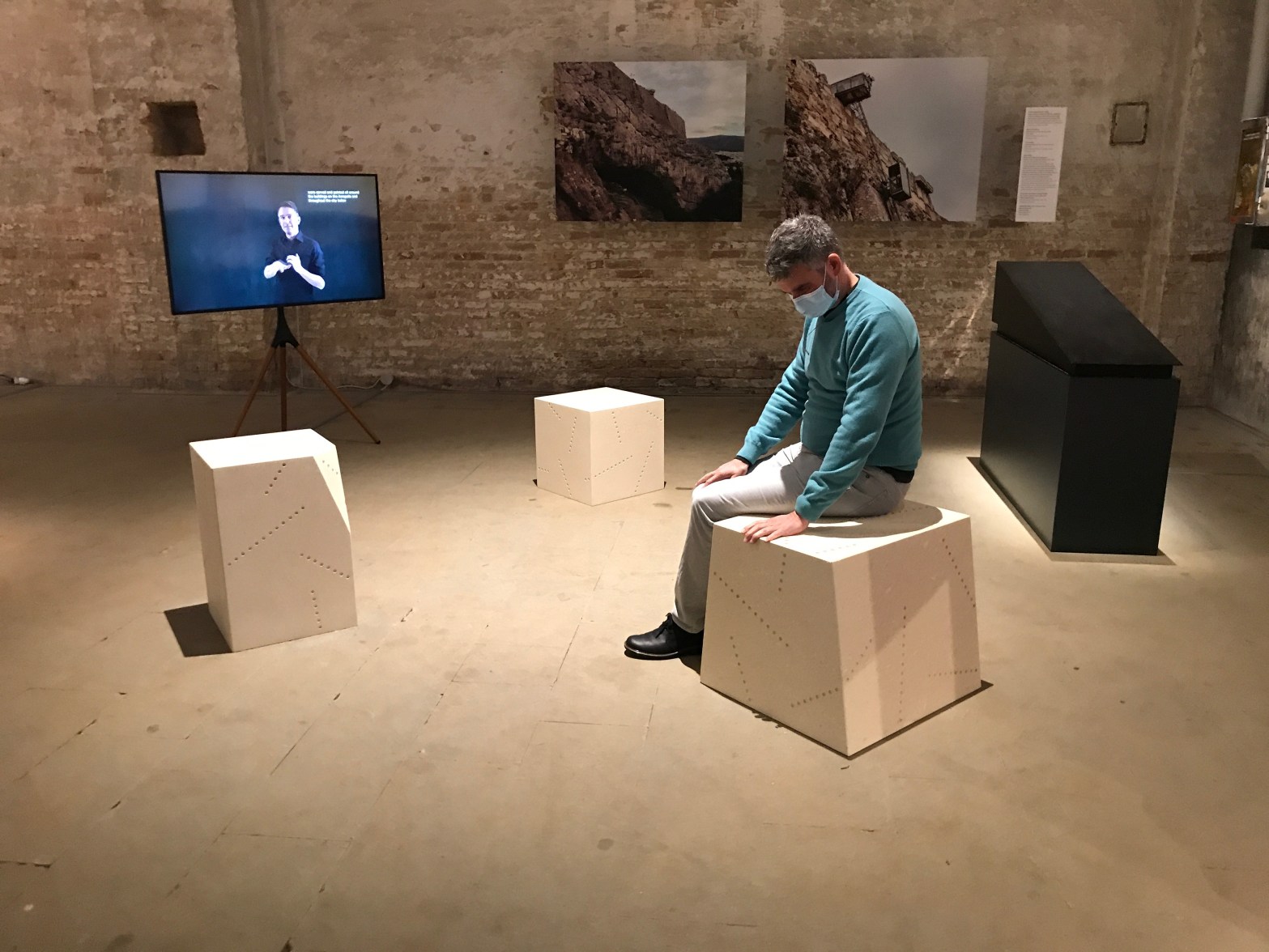
As a continuation of “New Projects Month”, we bring you an interview with three collaborators who worked on the original film-work, “Sēmata (Signs)” that appears in “An Archaeology of Disability”, curated by David Gissen, Jennifer Stager, and Mantha Zarmakoupi for the Biennale Architettura 2021. Actor Christopher Tester, voice actor Pia Hargrove, and creative consultant Caroline Cerilli reflect on the inspirations and hopes behind their work on the film, and what “An Archaeology of Disability” teaches us, both about people in the past and about ourselves in today’s world.
Blog Post #27: Archaeology after School with Grace Erny

In our second instalment of our New Projects Series for the month of May, we bring you an interview with Grace Erny, member of the Archaeology After School team. Here she tells us all about their new pilot project to provide a free enrichment program focused on Greek archaeology and cultural heritage for middle school and high school students.
Blog Post #22: Investigating Human-Environment Relations through Archaeobotany with Alan Farahani

In our second Earth Day post, Dr. Alan Farahani, Anthropological Archaeologist and Assistant Professor at the University of Nevada, Las Vegas, discusses the goals and methodologies behind the study of ancient plant remains to understand human-environmental relations.
 Peopling the Past