
In this week’s blog PtP member Dr. Melissa Funke discusses her newly published book, which uncovers the life of a famous upscale sex worker, alongside considering the real lives of sex workers in the ancient Greek world.
Tag Archives: greece
Blog Post #86: “In Blood and Ashes”: An Interview with Jessica Lamont
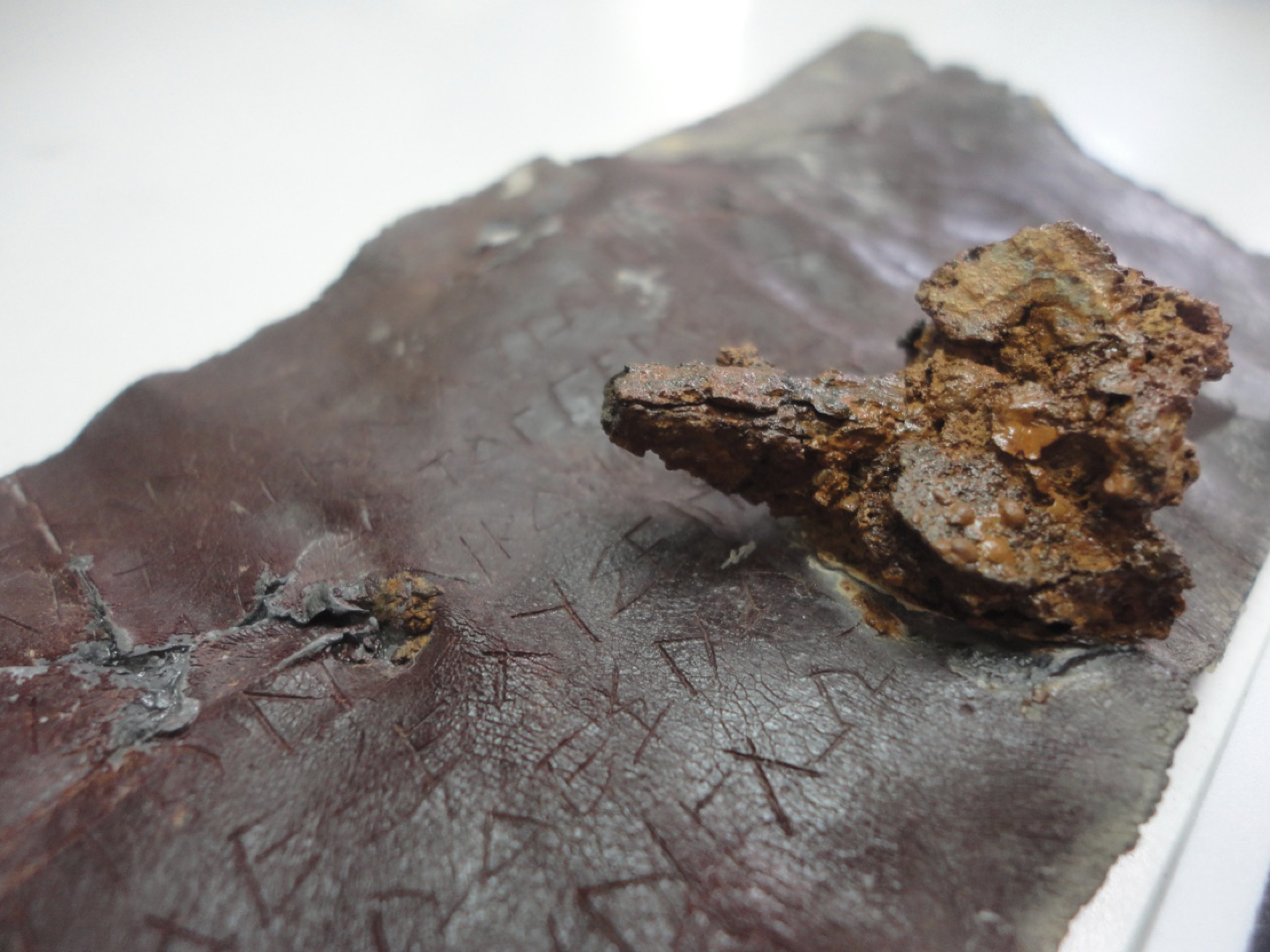
In our latest instalment of our Halloween series on “Cursing in the Ancient World” we are interviewing Dr. Jessica Lamont, Assistant Professor at Yale University, on her newly published book through Oxford “In Blood and Ashes: Curse Tablets and Binding Spells in Ancient Greece.” Dr. Lamont shares with us the questions and research that inspire this work, providing remarkable insight into the real people behind the curses in the ancient Mediterranean.
Blog Post #85: Graduate Student Feature with Charlotte Spence

We’re back for another month of Halloween-related content here at Peopling the Past. This month we are feature blogs that deal with cursing in the Ancient World. Our first post in this series features the work of Charlotte Spence, a PhD Candidate at the University of Exeter, who’s work explore the ways in which ancient individuals conceived of the role of the dead and the gods in carrying out curses.
Blog Post #82: The Penestai of the Thessalians with Gino Canlas

In the latest instalment of our Unknown Peoples series, Dr. Gino Canlas introduces us to the Penestai, a people belonging to the serf class that lived in the Thessalian plains.
Blog Post #80: Graduate Student Feature with Matt Coleman
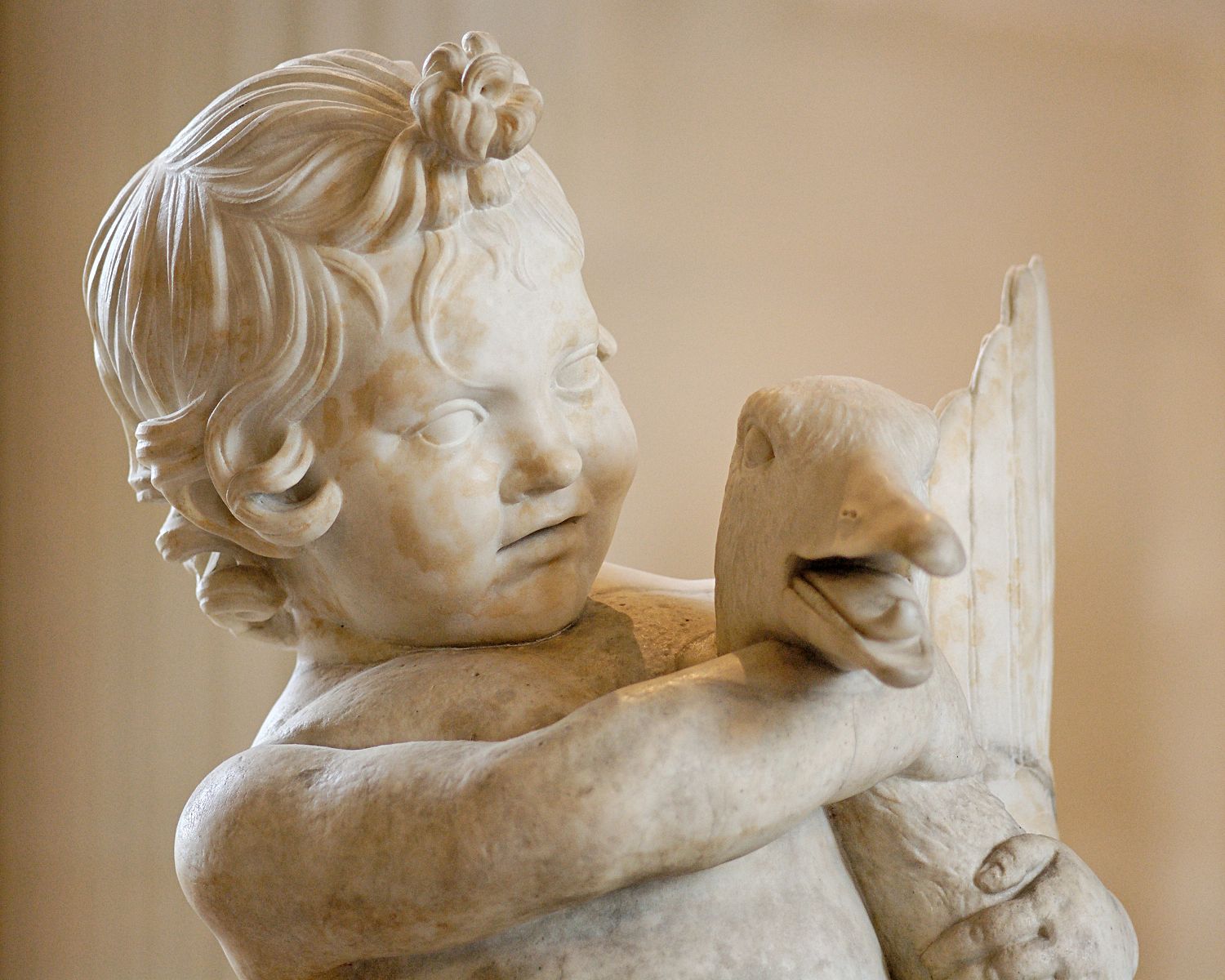
In this week’s blog post, we interview Matt Coleman, a Ph.D. Candidate at the University of Toronto, who takes us through his research on the “popular” reception of Hellenistic art in antiquity and the modern world.
Blog Post #79: Graduate Student Feature with Katerina Apokatanidis
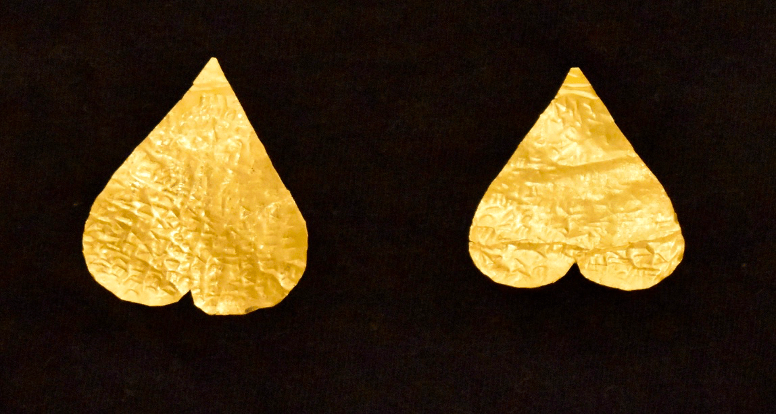
This week we interview PhD student Katarina Apokatanidis from the University of Toronto. Katarina takes us through her research into the ever fascinating Orphic tablets – gold funerary tablets placed in Greek tombs to guide the soul to a good afterlife. These tablets give us tantalizing hints into afterlife beliefs that we are still trying to understand, and Katarina’s work aims to shed light on the lived experiences of these beliefs and practices.
Blog Post #77: Interview with Gino Canlas of the Database of Religious History
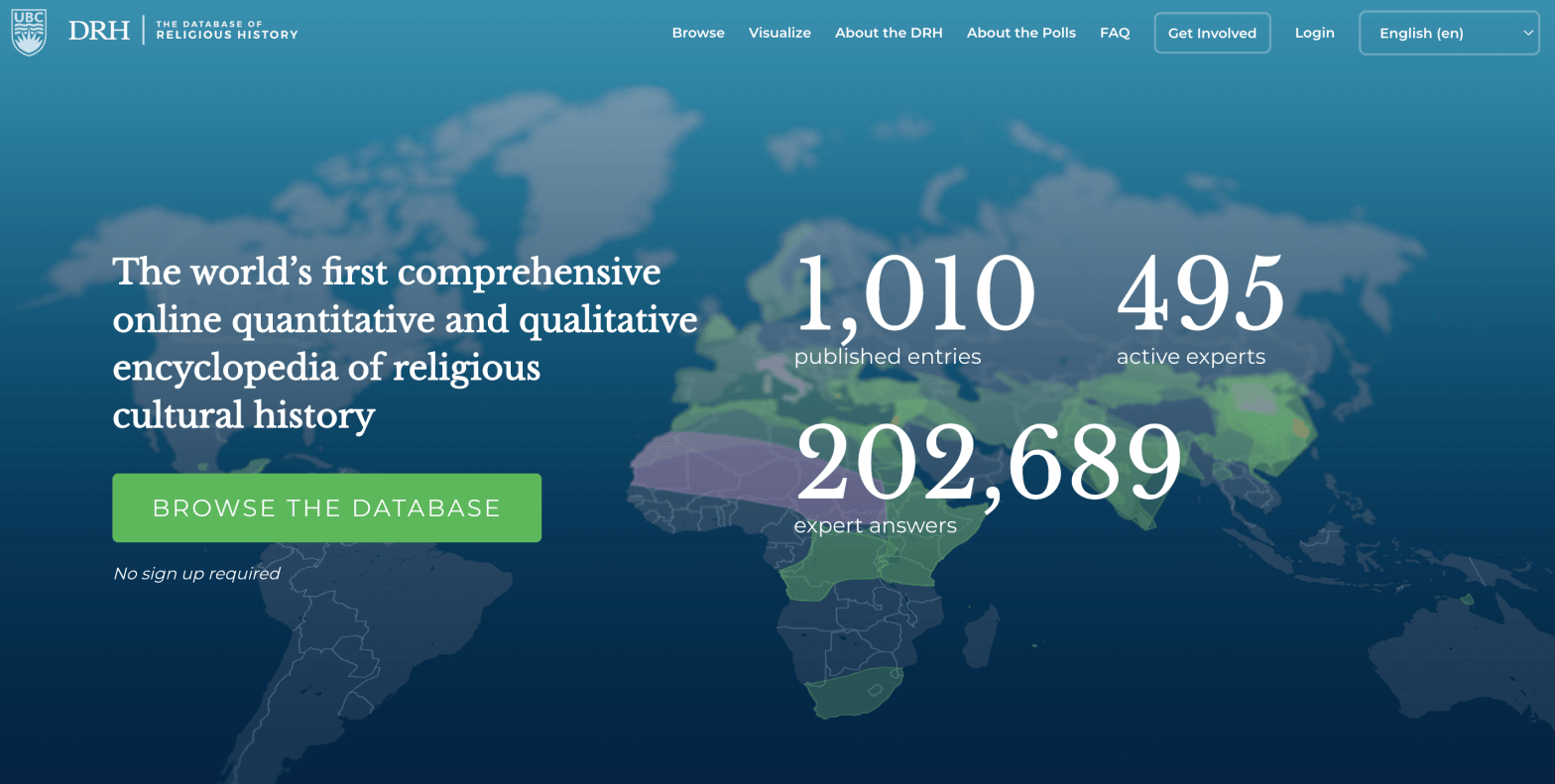
In this week’s blog post, we interview Dr. Gino Canlas, a postdoctoral researcher with the Database of Religious History at the University of British Columbia. This project is an open access resource that offers a large-scale study of historical evidence and trends in religious experience from the Neolithic period to the present day. Dr. Canlas will be sharing his work on this project at our upcoming colloquium, “Presenting the Past: Responsible Engagement and Mediterranean History”.
Blog Post #76: Interview with Heba Abd el Gawad of Egypt’s Dispersed Heritage Project
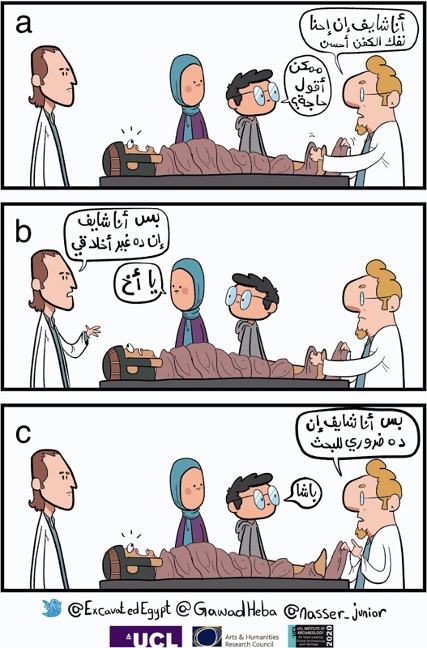
In this week’s blog post, we interview Dr. Heba Abd el Gawad, Egyptologist and project researcher for the AHRC funded project: “Egypt’s Dispersed Heritage: Views from Egypt”. Her research aims to amplify the voice, visibility, and validity of modern Egyptian communities in UK museums. Dr. Heba Abd el Gawad will be presenting this work at our upcoming colloquium, “Presenting the Past: Responsible Engagement and Ancient Mediterranean History”.
Blog Post #75: Interview with Christine Johnston of the Ancient World in 3D Project
In this week’s blog post, we interview Dr. Christine Johnston, the coordinator of the Ancient World in 3D Project (and video editor for Peopling the Past), who takes us through a collaborative project with several graduate students at Western Washington University which examines the use of 3D printed and replica materials in teaching about ancient cultures and societies. Christine and project member Alan Wheeler will be presenting this project at our upcoming colloquium, “Presenting the Past: Responsible Engagement and Ancient Mediterranean History”.
Blog Post #72: Solving the Riddle of the Sphinx with Thierry Petit
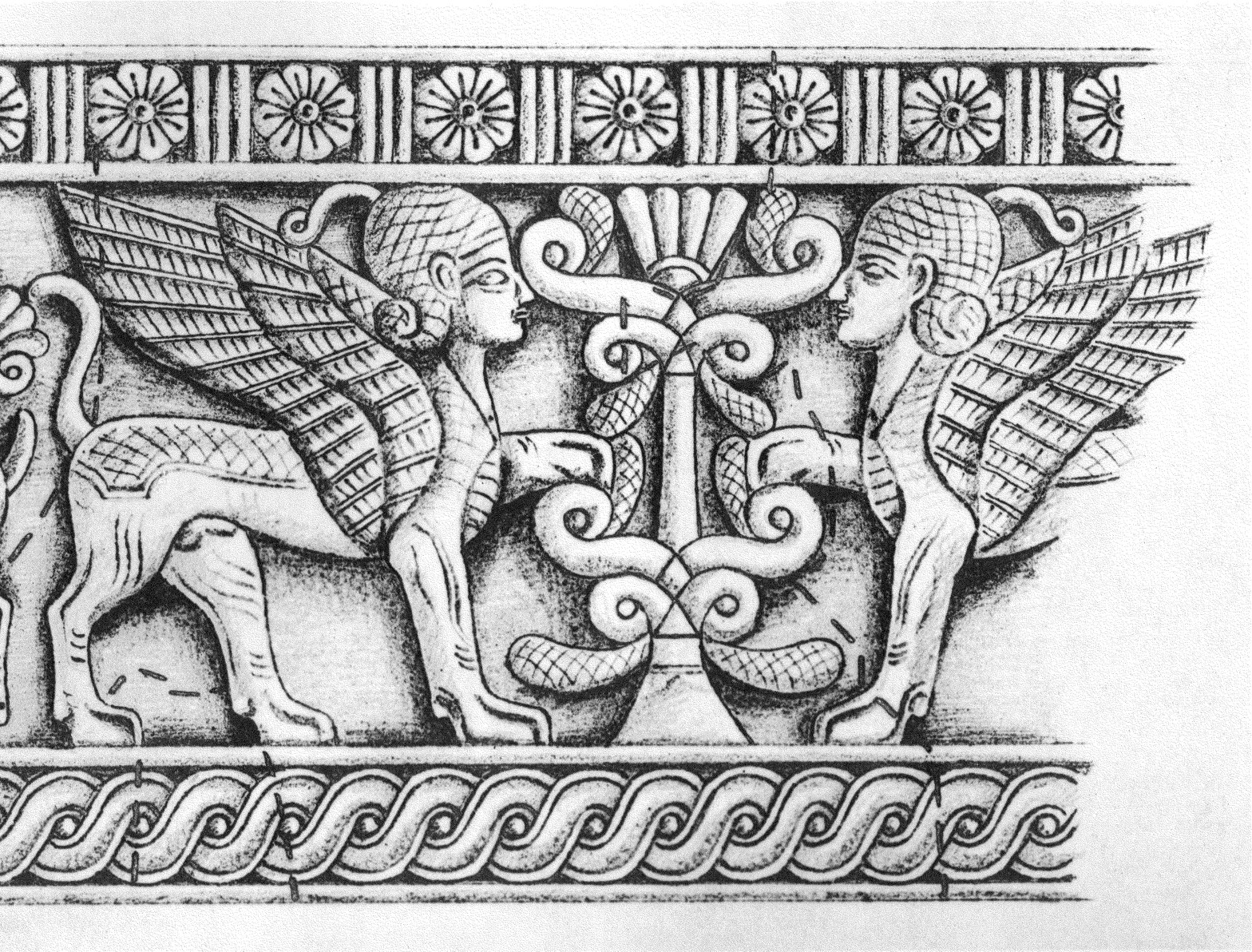
Today we continue to explore modern constructions of east and west with Thierry Petit, who discusses the origins and significance of the Sphinx in the ancient Mediterranean.

