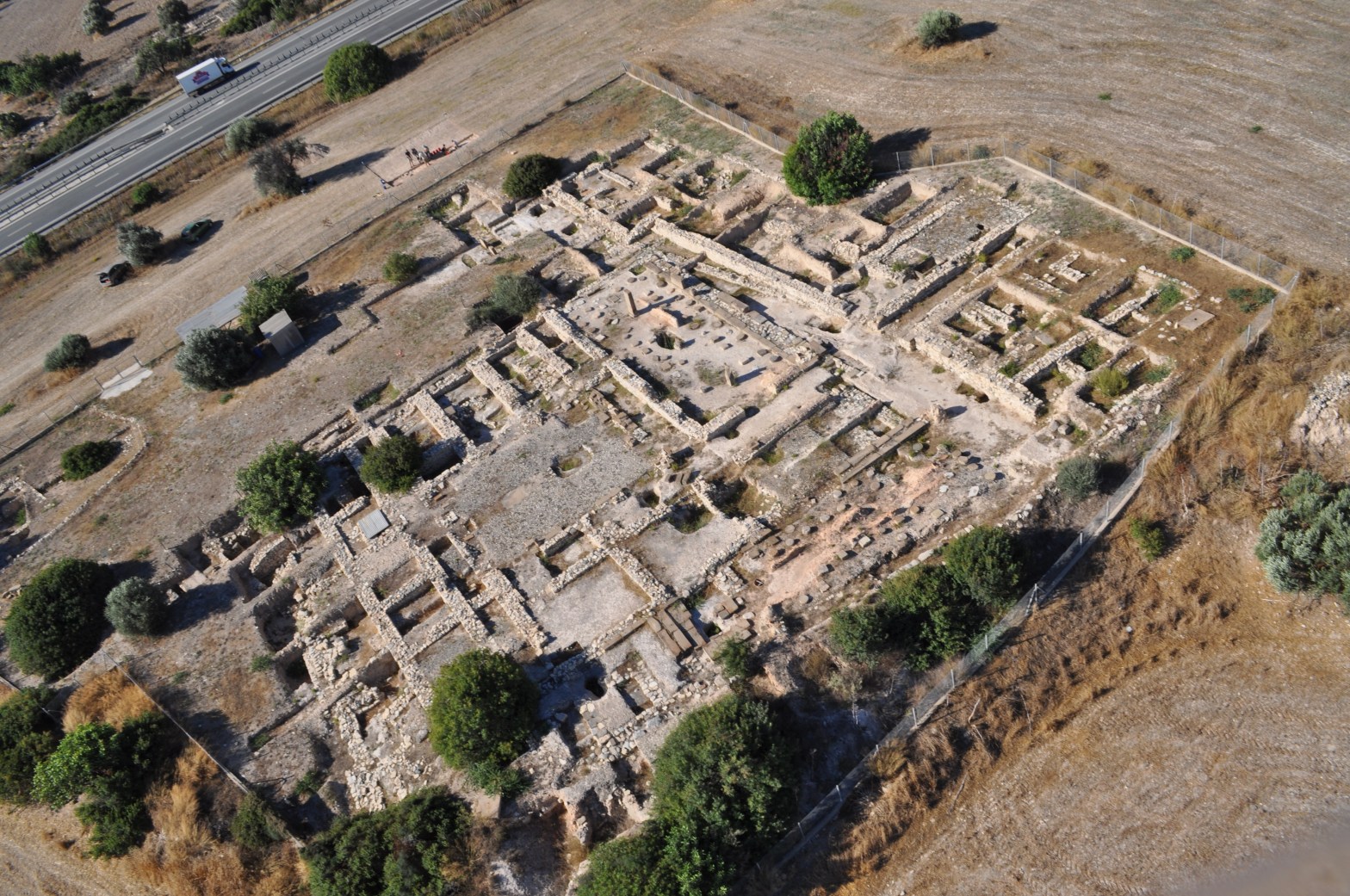
In this week’s blog we interview Dr. Kevin Fisher of UBC on his recently published monograph, “Monumentality, Place-making and Social Interaction on Late Bronze Age Cyprus”, exploring the complex ways in which urban environments and monumental space shape human societies.
Tag Archives: archaeology
Blog #92: The Libyans with Matthew McCarty

In the latest instalment of our Unknown Peoples Series, Matthew McCarty (University of British Columbia) takes us through his research on the ‘Libyans’, the indigenous peoples of the Maghreb — that is, the vast territory stretching across North Africa from modern western Libya, through Tunisia and Algeria, to the Atlantic coast of Morocco, and from the northern Sahara to the Mediterranean coast.
Blog #91: The Punic Peoples of the Western Mediterranean with Thelma Beth Minney
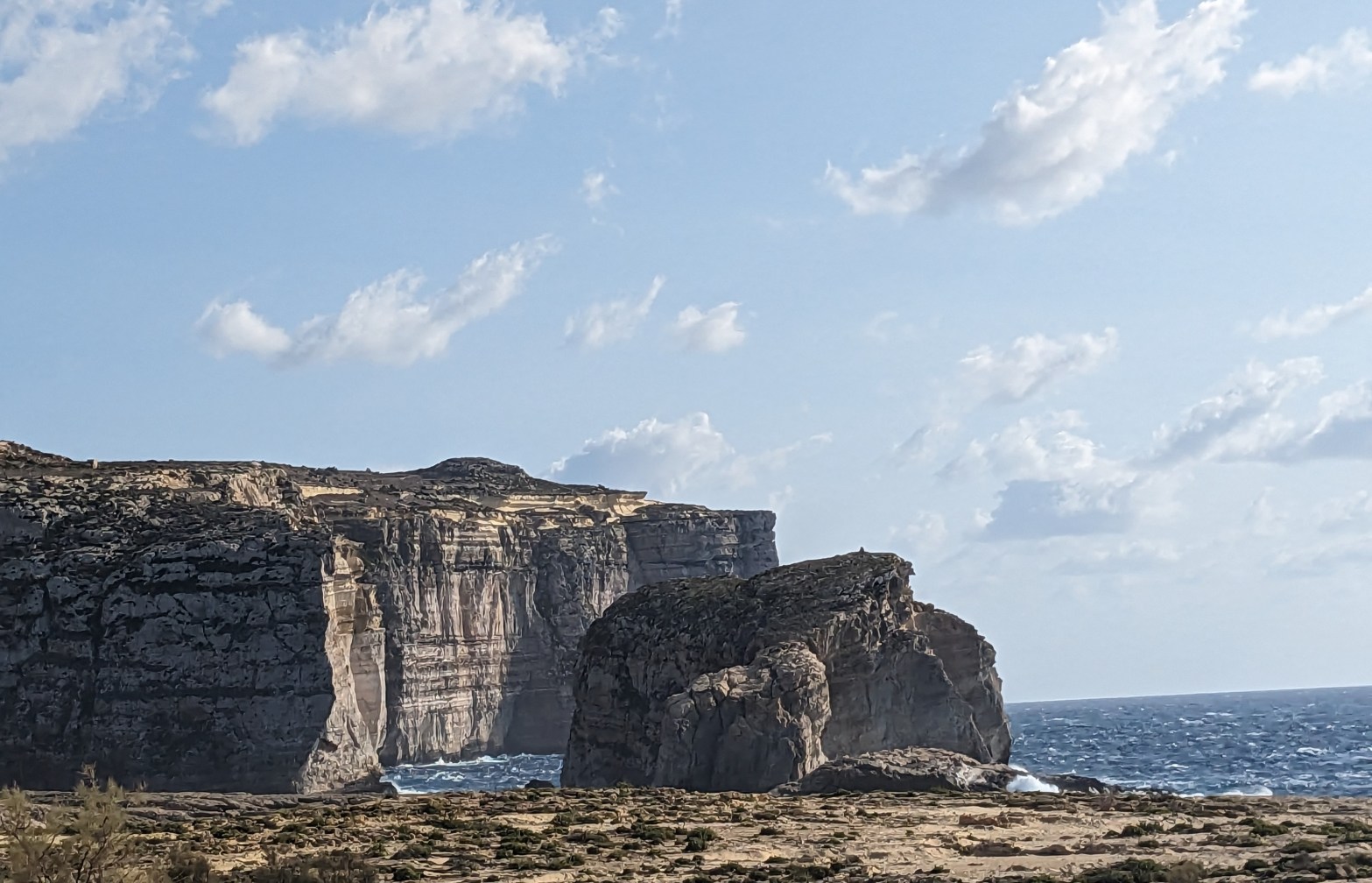
In this instalment of our “Unknown Peoples” Series, we feature the research of Thelma Beth Minney, a PhD candidate in CLassical Archaeology at Stanford University. In this post, she takes us through her research on the shifting religious practices of Punic Peoples in the Western Mediterranean following their absorption into the Roman Empire.
Blog #90: The Illyrians with Danijel Džino
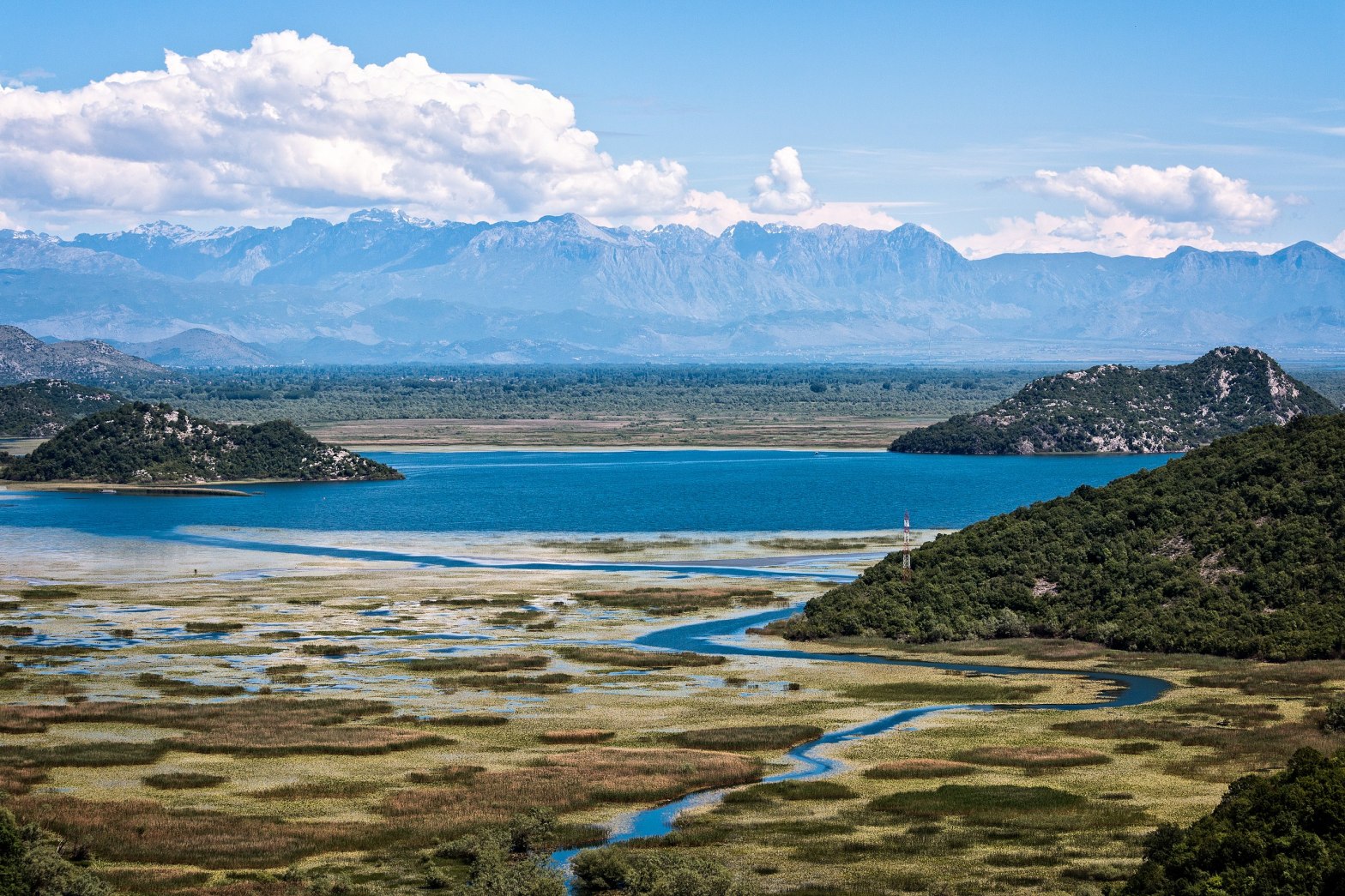
This week’s blog post by Danijel Džino introduces us to the Illyrians, an Indigenous Iron Age population that inhabited the eastern Adriatic and its surroundings, through a discussion of their politics, literary attestations and broader interactions with other Mediterranean communities.
Blog #89: Beyond Rome: The Indigenous People of Ancient Italy
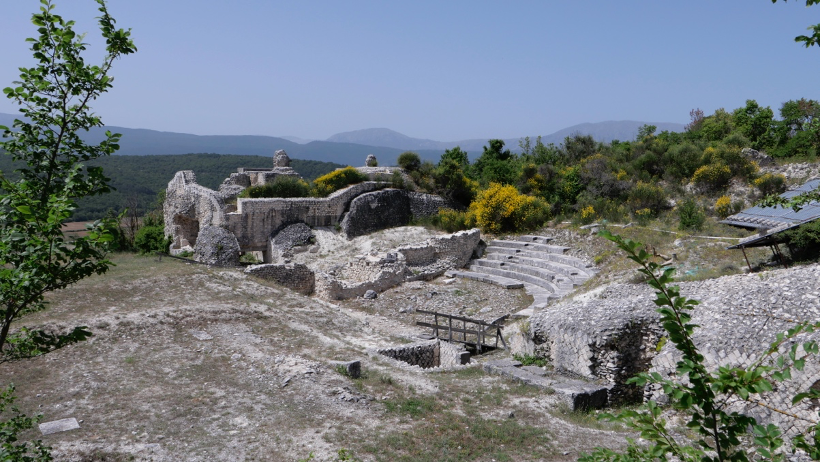
In this week’s blog post, Claudia Paparella, a graduate student at the University of Toronto, takes us through her research on the Indigenous Peoples of ancient Italy through an analysis of the epigraphic and archaeological remains that they have left behind.
Blog Post #85: Graduate Student Feature with Charlotte Spence

We’re back for another month of Halloween-related content here at Peopling the Past. This month we are feature blogs that deal with cursing in the Ancient World. Our first post in this series features the work of Charlotte Spence, a PhD Candidate at the University of Exeter, who’s work explore the ways in which ancient individuals conceived of the role of the dead and the gods in carrying out curses.
Blog Post #82: The Penestai of the Thessalians with Gino Canlas

In the latest instalment of our Unknown Peoples series, Dr. Gino Canlas introduces us to the Penestai, a people belonging to the serf class that lived in the Thessalian plains.
Blog Post #80: Graduate Student Feature with Matt Coleman
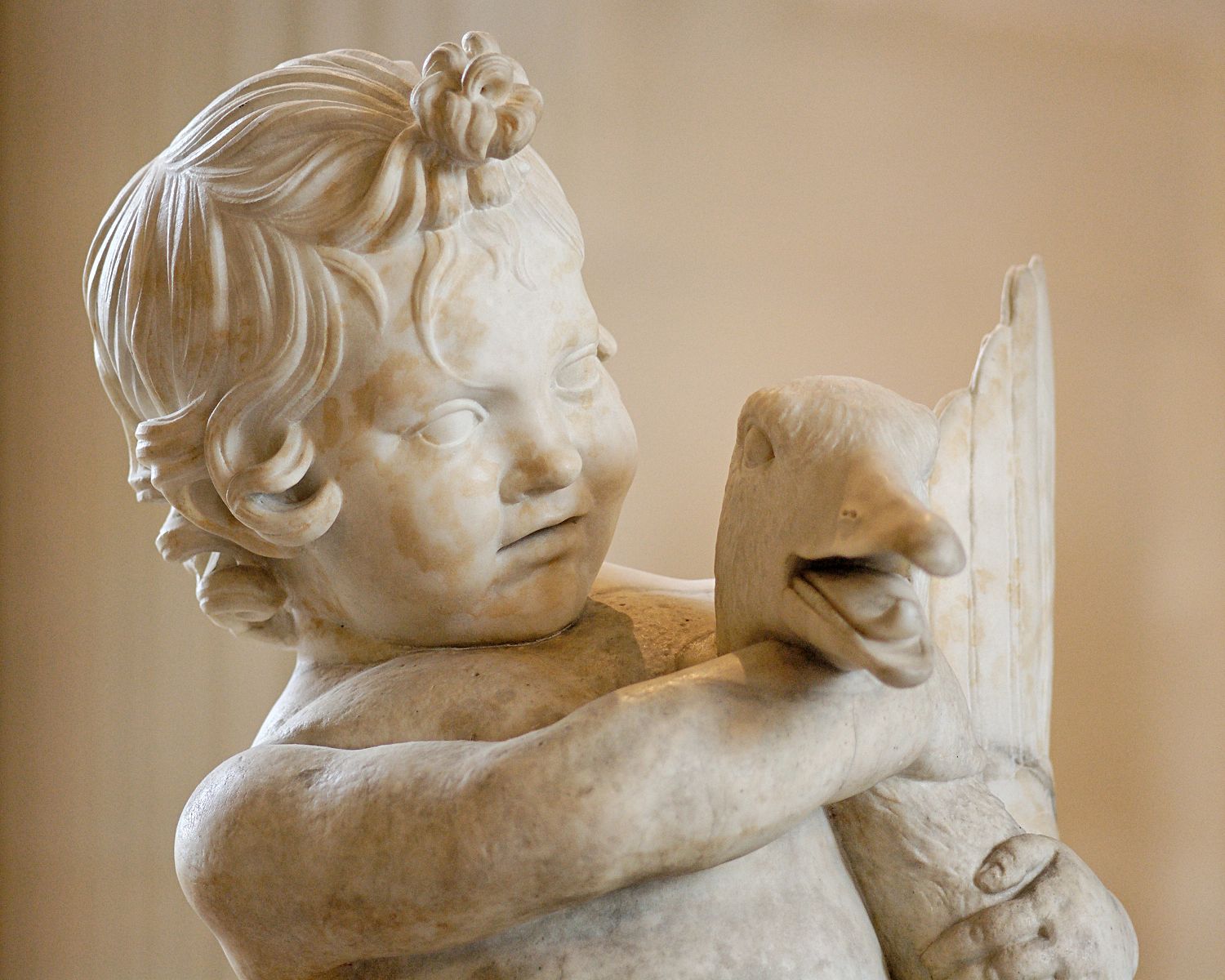
In this week’s blog post, we interview Matt Coleman, a Ph.D. Candidate at the University of Toronto, who takes us through his research on the “popular” reception of Hellenistic art in antiquity and the modern world.
Blog Post #79: Graduate Student Feature with Katerina Apokatanidis
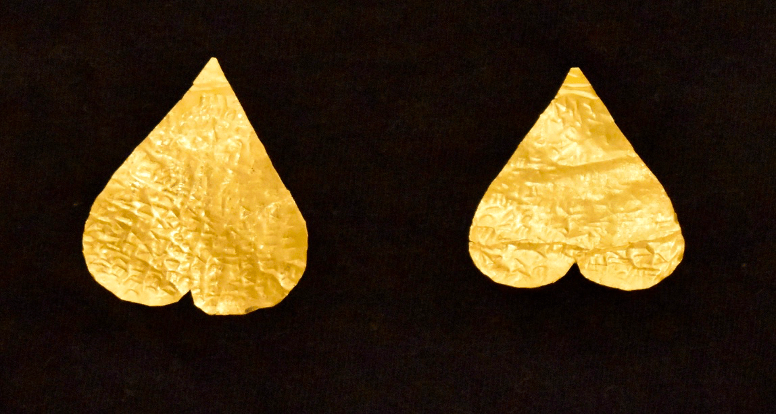
This week we interview PhD student Katarina Apokatanidis from the University of Toronto. Katarina takes us through her research into the ever fascinating Orphic tablets – gold funerary tablets placed in Greek tombs to guide the soul to a good afterlife. These tablets give us tantalizing hints into afterlife beliefs that we are still trying to understand, and Katarina’s work aims to shed light on the lived experiences of these beliefs and practices.
Podcast Season 3, Episode 10 – These Boots are Made for Walking: Women’s Mobility and Migration in the Roman Empire with Marie-Adeline Le Guennec
On this episode of the Peopling the Past Podcast, we are joined by Dr. Marie-Adeline Le Guennec, a professor in the hisory department at Université du Québec à Montréal, where she works on the history of Roman mobility and migration. Since 2015 she has been the co-director of Projet Hospitam, which examines hospitality in the civilizations of the Mediterranean basin. She is the author of Aubergistes et clients : l’accueil mercantile dans l’Occident romain (IIIe siècle av. J.-C. – IVe siècle apr. J.-C.) (Ecole française de Rome, 2019) and co-editor of Hospitalité et régulation de l’altérité dans l’Antiquité méditerranéenne (Ausonius, 2022).
Listen in, as Dr. Le Guennec talks about the ways in which women moved around the Roman Empire and the sources that document this movement, as well as how modern scholars examine issues of movement and mobility in the Roman world.
 Peopling the Past