Podcast Season 4, Episode 7: Hired Hands, Silenced Voices: Archaeology and Local Communities with Allison Mickel

In this episode of the Peopling the Past podcast, we are joined by Dr. Allison Mickel, Associate Professor of Anthropology and Director of Global Studies at Lehigh University.

Listen in, as Dr. Mickel discusses the realm of knowledge-keeping, exploitation of local site workers, and their relations to colonial labor practices.
Podcast Season 4, Episode 5: Naturalizing Inequalities: The Colonial Museum with Dan Hicks

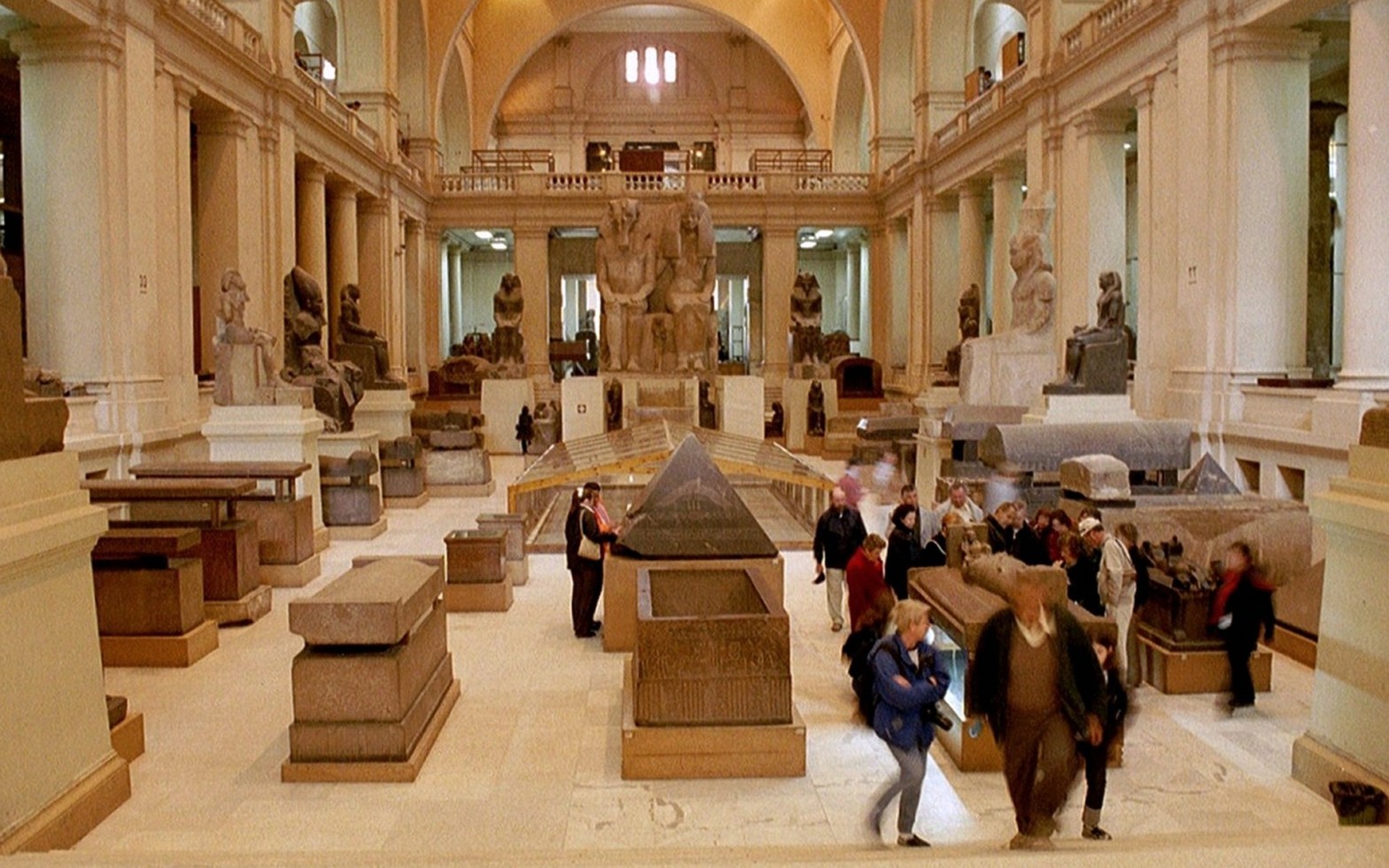
In today’s episode of the Peopling the Past podcast, we are joined by Dr. Dan Hicks, professor of contemporary archaeology at the University of Oxford and the curator of World Archaeology at the Pitt Rivers Museum.

Listen in, as he discusses the role of modern museums in colonial mythologies, and what a path forward might look like.

Blog Post #102: The Mediterranean Antiquities Provenance Research Alliance with Mireille Lee

In this week’s blog post we interview Dr. Mireille Lee on her work with the Foundation for Ethical Stewardship of Cultural Heritage (FESCH) and the Mediterranean Antiquities Provenance Research Alliance (MAPRA). Here, she takes us through the issues with undocumented antiquities and the ethical issues that arise when looted objects end up in university and museum collections.

Peopling the Past Podcast Season 4: Cultural Heritage and Legacies of Colonialism

The Peopling the Past Podcast is back for a fourth season and this time we’re focusing on cultural heritage and the legacies of colonialism. Join your hosts Dr. Chelsea Gardner and Dr. Melissa Funke, as well as Dr. Christine Johnston (the producer of Season 4), for a very special preview episode, taking us through what we can expect from our podcast this season.

Blog Post #101: Peopling the Past Celebrates “Ancient Pasts for Modern Audiences” at the AIA

Join us at the Archaeological Institute of America Annual Meeting (hybrid!) as we celebrate the release of the upcoming open-access volume, “Ancient Pasts for Modern Audiences: Public Scholarship and the Mediterranean World.”

Blog Post #100: Decoding Adolescence in the Human Skeleton with Creighton Avery

In our 100th blog, we continue our Halloween themed content with a post by Dr. Creighton Avery, an Assistant Professor at the University of Toronto. Here, she delves into her research on the lives of adolescents in the Roman Empire, which she approaches through a bioarchaeological lens.

Podcast Season 3, Episode 12: How do you Solve a Problem like Cleopatra? : Shelley Haley and the last Egyptian Pharoah

On the last episode of our podcast season on ancient women, we are joined by Dr. Shelley Haley, the recently retired Edward North Chair of Classics and Professor of Africana Studies at Hamilton College.
Listen in, as we untangle the image of Cleopatra as a seductive manipulator and challenge assumptions, misconceptions, and preconceived notions about her persona and reign.

Blog #92: The Libyans with Matthew McCarty

In the latest instalment of our Unknown Peoples Series, Matthew McCarty (University of British Columbia) takes us through his research on the ‘Libyans’, the indigenous peoples of the Maghreb — that is, the vast territory stretching across North Africa from modern western Libya, through Tunisia and Algeria, to the Atlantic coast of Morocco, and from the northern Sahara to the Mediterranean coast.

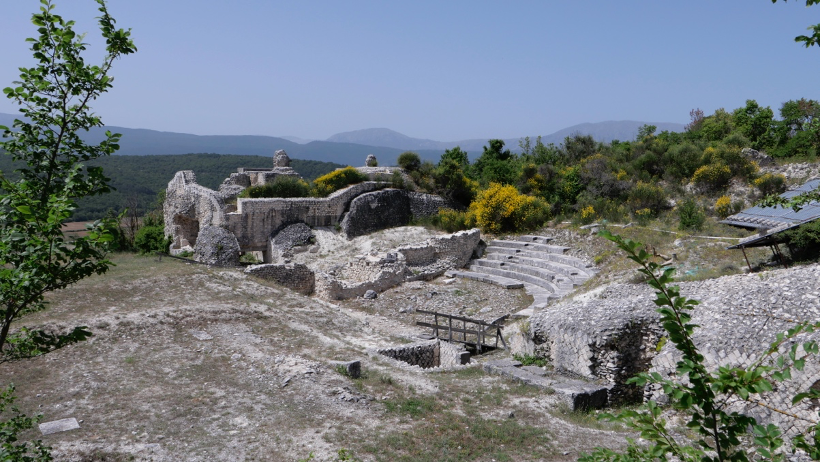
Blog #89: Beyond Rome: The Indigenous People of Ancient Italy

In this week’s blog post, Claudia Paparella, a graduate student at the University of Toronto, takes us through her research on the Indigenous Peoples of ancient Italy through an analysis of the epigraphic and archaeological remains that they have left behind.

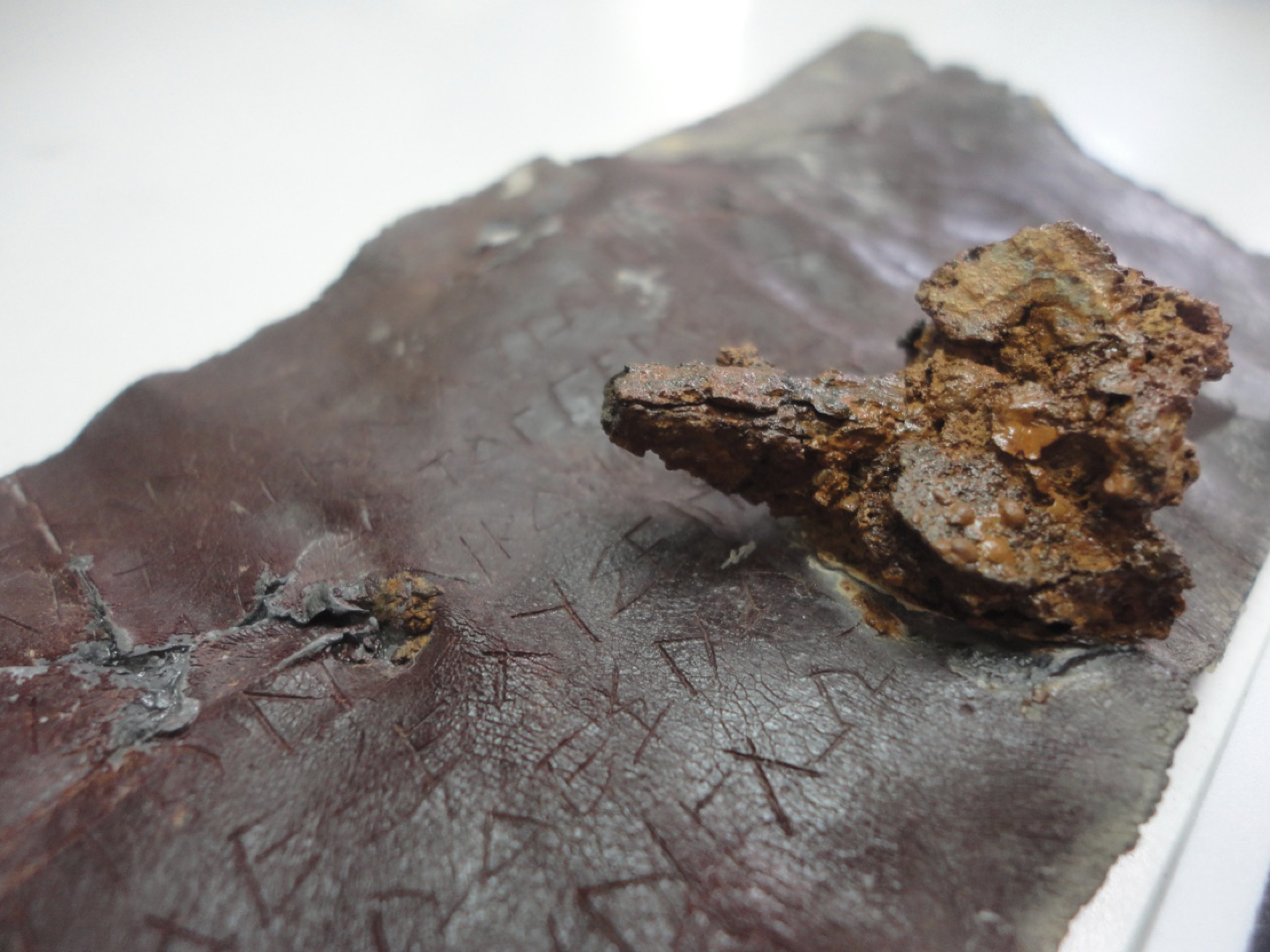
Blog Post #86: “In Blood and Ashes”: An Interview with Jessica Lamont

In our latest instalment of our Halloween series on “Cursing in the Ancient World” we are interviewing Dr. Jessica Lamont, Assistant Professor at Yale University, on her newly published book through Oxford “In Blood and Ashes: Curse Tablets and Binding Spells in Ancient Greece.” Dr. Lamont shares with us the questions and research that inspire this work, providing remarkable insight into the real people behind the curses in the ancient Mediterranean.