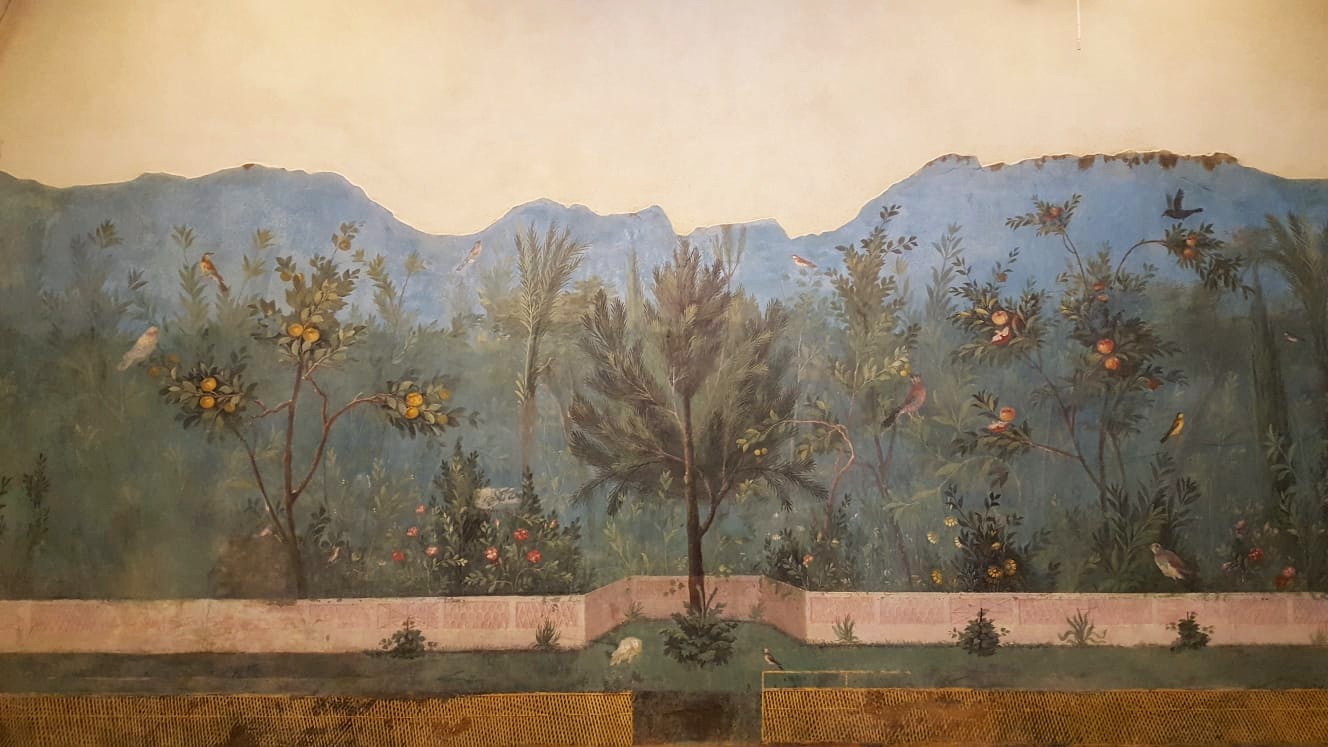
This week we kick off our Earth Month series with a blog post from Dr. Kaja Tally-Schumacher. Here, she takes us through her work on Roman gardens and the ways in which archaeologists can recover, reconstruct, and reflect on the presence, specialized knowledge, and experiences of laborers and other non-elite people in the Roman world.
Tag Archives: rome
Blog #118: Let’s Play Antiquity with Eduardo M. García-Molina
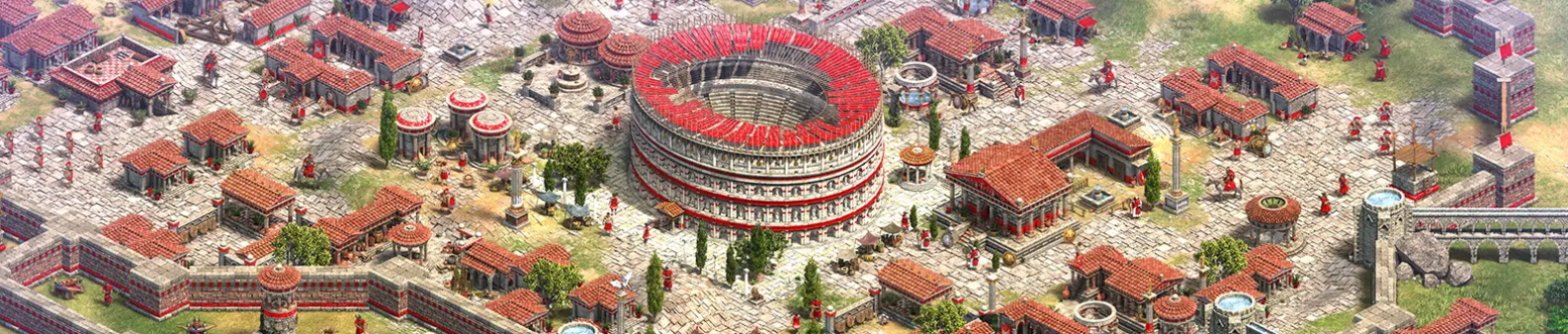
Our latest instalment of the blog, features the exciting pedagogical work of Eduardo García-Molina, Assistant Professor of Classics at the University of Illinois Urbana-Champaign. Here, he takes us through his course “The Ancient World in Video Games” to highlight the value of bringing gaming into the modern university classroom.
Blog #113: Pannonians Abroad? New Evidence from a Roman Auxiliary Base in Central Turkey with Andrew L. Goldman
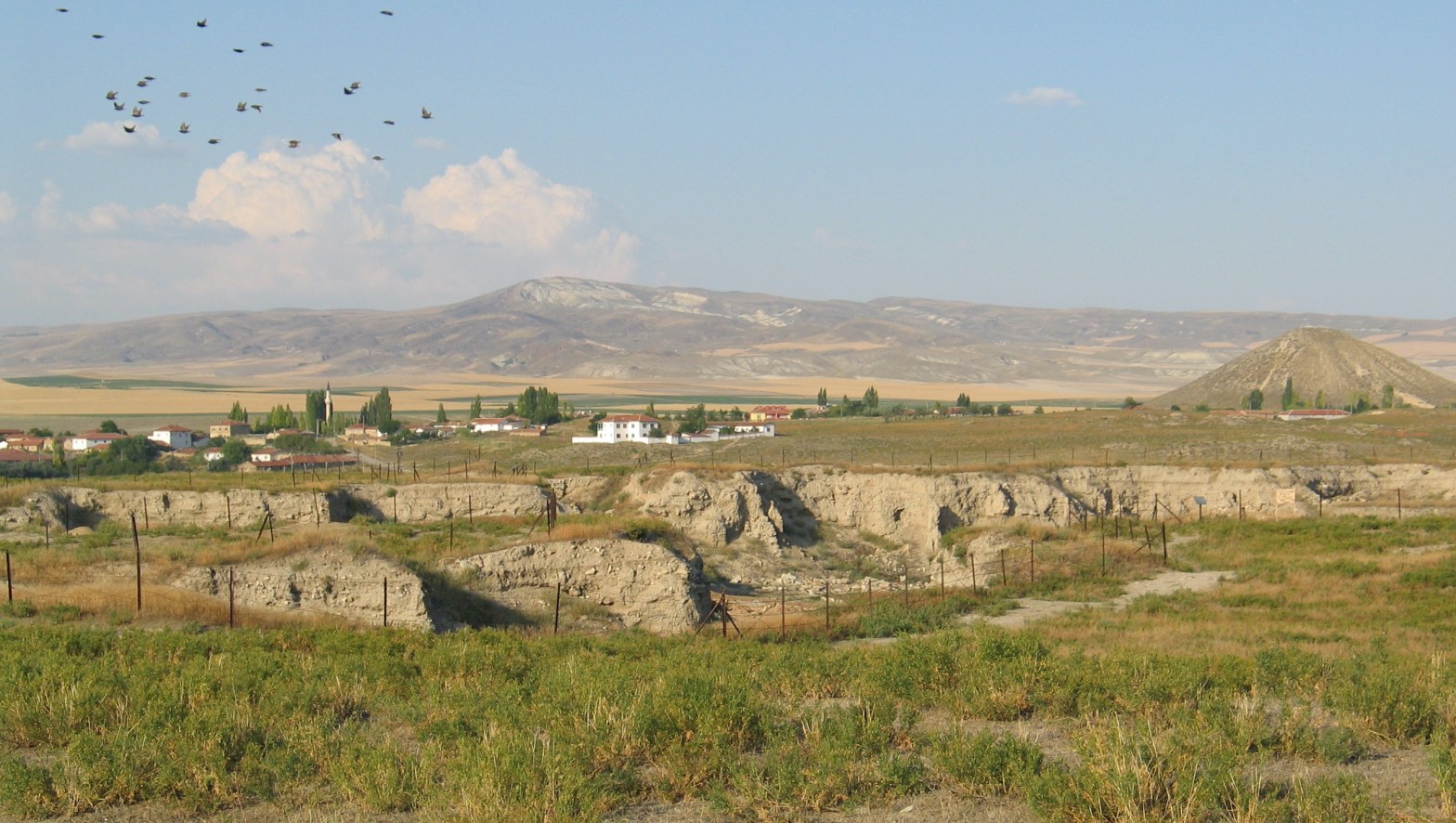
In this week’s blog post, Andrew L. Goldman takes us through his archaeological project at the ancient Roman auxiliary base at Gordion in central Anatolia, and the possibility that Pannonian soldiers were stationed at this site. Here, he highlights the role played by non-Romans in the military, while also using archaeological evidence to characterize auxiliary bases as multi-gendered and multi-generational spaces.
Blog #109: Graduate Student Feature with Lylaah L. Bhalerao: On Serendipity and Sanskrit in the Study of the Mediterranean World
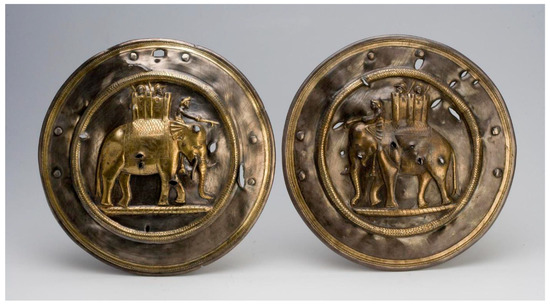
We are kicking off the 2025/26 academic year over here at Peopling the Past with a blog by Lylaah L. Bhalerao, a PhD Candidate at the Institute for the Study of the Ancient World at New York University. Here, she takes us through her research on elephants in the ancient world and the way that serendipity and Sanskrit have informed her current research.
Blog Post #107: Tomb Robbers, Warehouses, and Vases: Giving Looted Antiquities a New Life with Marie Hélène van de Ven
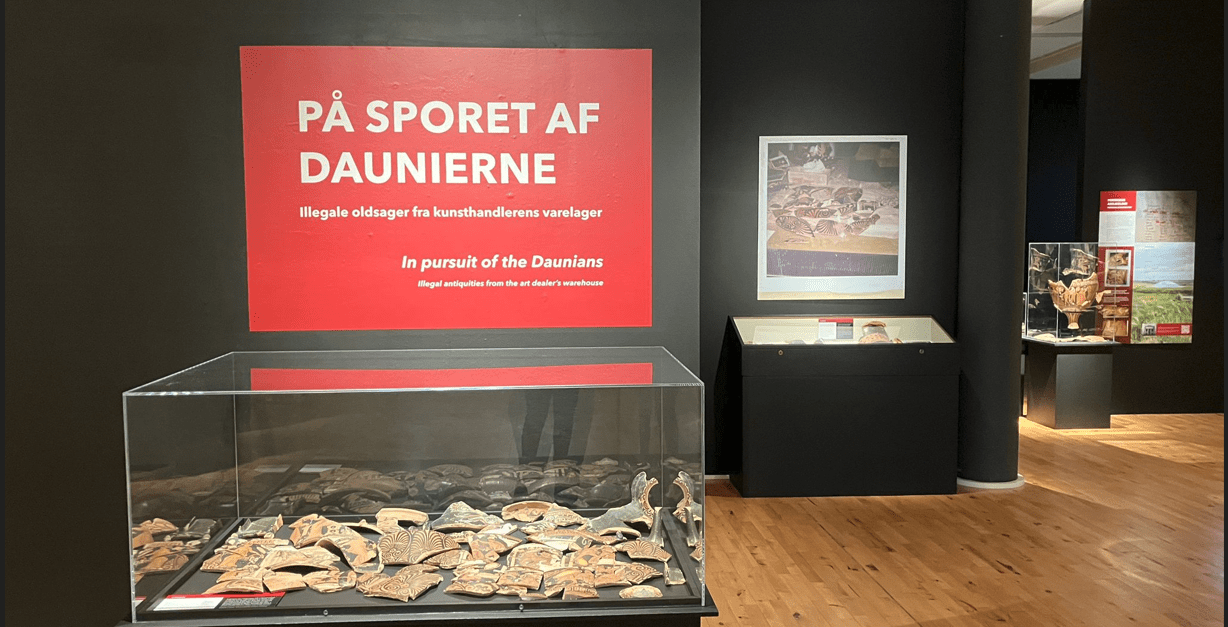
In this week’s blog post, Marie Hélène van de Ven, a PhD student at Aarhus University, explores the ethics of studying looted artefacts without reinforcing the very networks through which they were illegally acquired. Here, she shares a component of this research based on her work with the Illicit Antiquities in the Museum project at Antikmuseet, Aarhus University.
Blog Post #101: Peopling the Past Celebrates “Ancient Pasts for Modern Audiences” at the AIA

Join us at the Archaeological Institute of America Annual Meeting (hybrid!) as we celebrate the release of the upcoming open-access volume, “Ancient Pasts for Modern Audiences: Public Scholarship and the Mediterranean World.”
Blog Post #100: Decoding Adolescence in the Human Skeleton with Creighton Avery

In our 100th blog, we continue our Halloween themed content with a post by Dr. Creighton Avery, an Assistant Professor at the University of Toronto. Here, she delves into her research on the lives of adolescents in the Roman Empire, which she approaches through a bioarchaeological lens.
Special Podcast Episode – Let’s Talk About Podcasts, Baby! with Liv Albert
On this episode of the podcast, we are joined by Liv Albert, author and host of the Let’s Talk About Myths, Baby! podcast.
Listen in, as Liv takes us through her podcasting journey, how she approaches myths, and the voices that she amplifies in the discussion of these myths.
Blog #89: Beyond Rome: The Indigenous People of Ancient Italy
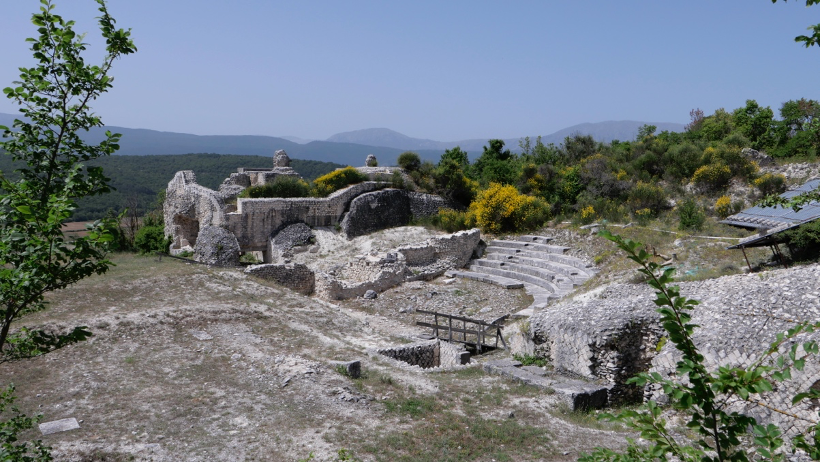
In this week’s blog post, Claudia Paparella, a graduate student at the University of Toronto, takes us through her research on the Indigenous Peoples of ancient Italy through an analysis of the epigraphic and archaeological remains that they have left behind.
Podcast Season 3, Episode 10 – These Boots are Made for Walking: Women’s Mobility and Migration in the Roman Empire with Marie-Adeline Le Guennec
On this episode of the Peopling the Past Podcast, we are joined by Dr. Marie-Adeline Le Guennec, a professor in the hisory department at Université du Québec à Montréal, where she works on the history of Roman mobility and migration. Since 2015 she has been the co-director of Projet Hospitam, which examines hospitality in the civilizations of the Mediterranean basin. She is the author of Aubergistes et clients : l’accueil mercantile dans l’Occident romain (IIIe siècle av. J.-C. – IVe siècle apr. J.-C.) (Ecole française de Rome, 2019) and co-editor of Hospitalité et régulation de l’altérité dans l’Antiquité méditerranéenne (Ausonius, 2022).
Listen in, as Dr. Le Guennec talks about the ways in which women moved around the Roman Empire and the sources that document this movement, as well as how modern scholars examine issues of movement and mobility in the Roman world.
 Peopling the Past