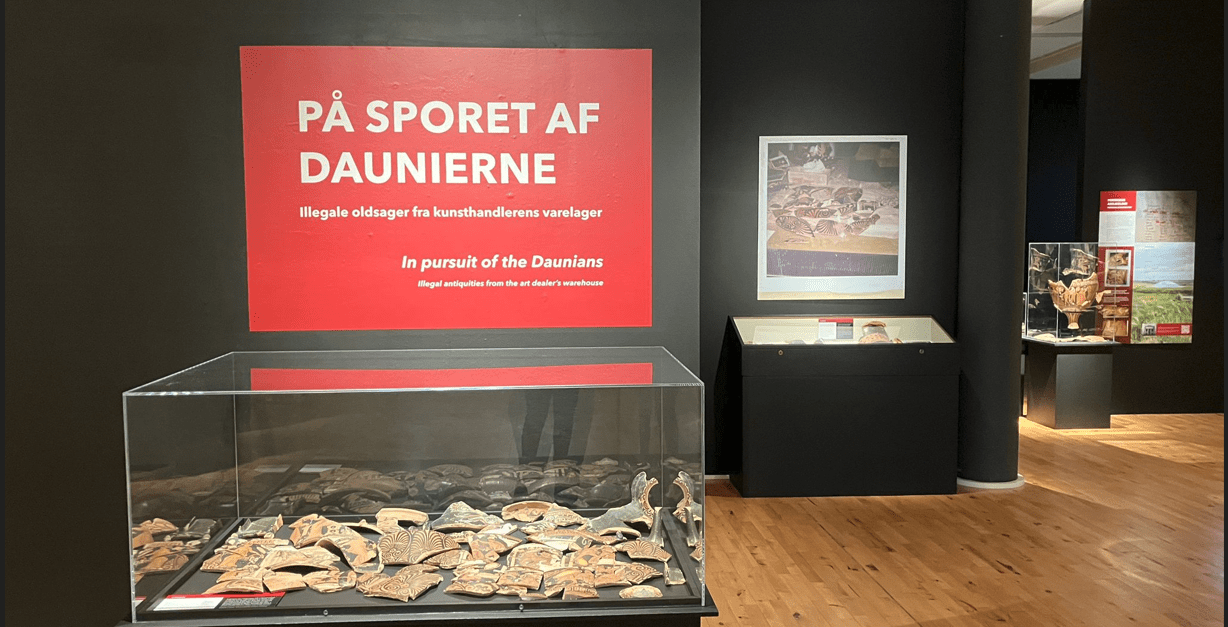
In this week’s blog post, Marie Hélène van de Ven, a PhD student at Aarhus University, explores the ethics of studying looted artefacts without reinforcing the very networks through which they were illegally acquired. Here, she shares a component of this research based on her work with the Illicit Antiquities in the Museum project at Antikmuseet, Aarhus University.
Tag Archives: pottery
Blog Post #98: Cultural Finger Amputation with Brea McCauley

In this week’s blog post, we interview Brea McCauley, a Ph.D. candidate at Simon Fraser University, who details the practice of cultural finger amputation through numerous human societies throughout history around the globe.
Blog Post #97: Graduate Student Feature with Adrian Talotti Proestos

In this week’s blog post, we interview Adrian Talotti Proestos, a Ph.D. candidate at McMaster University, who takes us through his research which uses network analysis to trace interactions between Oenotrian communities in southern Italy.
Blog Post #84: Graduate Student Feature with Anisa Mara
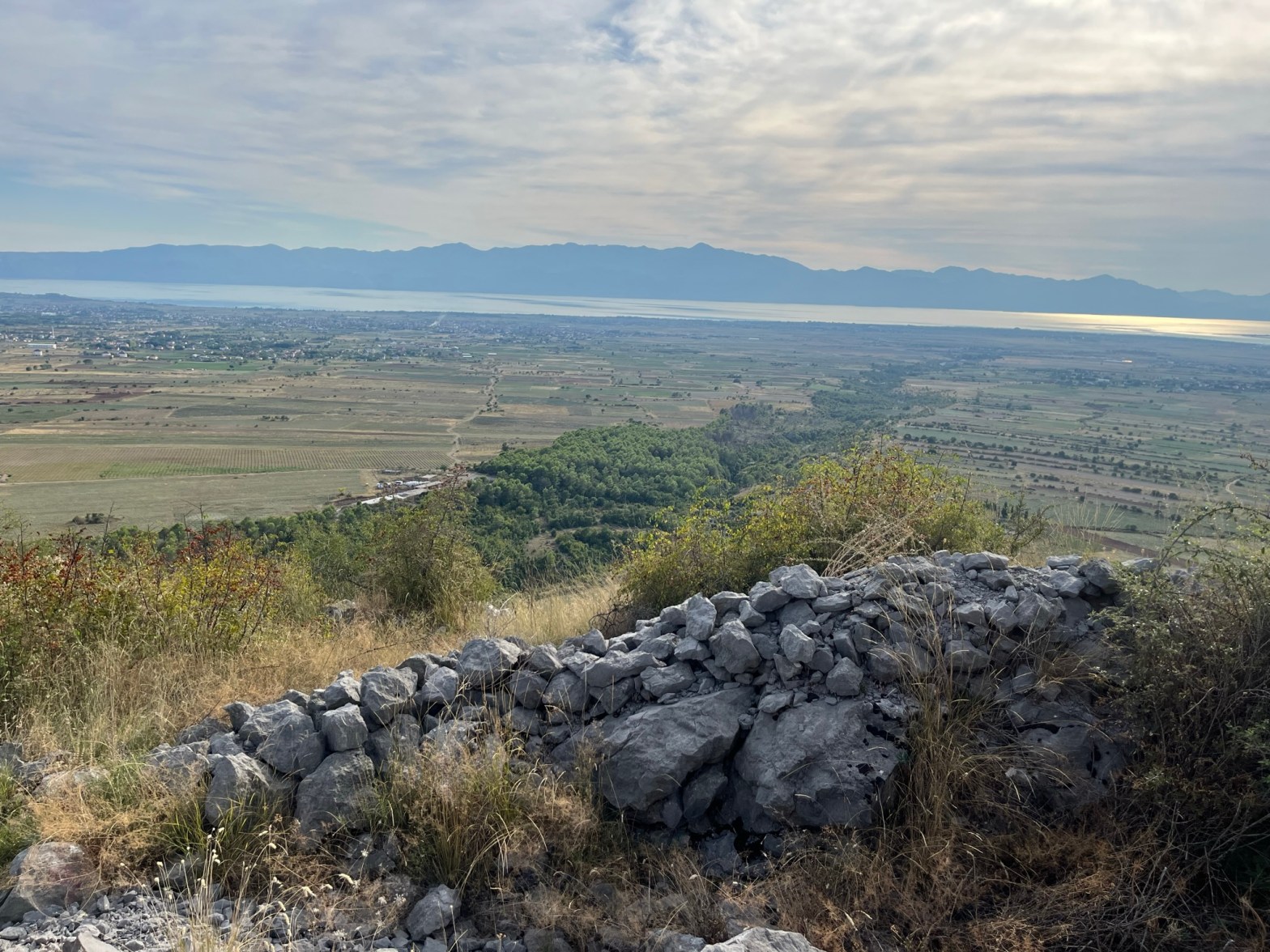
In this week’s blog post, we interview Anisa Mara, a PhD Candidate in the Department of Art History at the University of Toronto. Anisa takes us through her work studying Bronze Age pottery from legacy collections of excavations in Albania to understand community organization, mobility, and social diversification during a period of significant change in this region.
Blog Post #61: Graduate Student Feature with Camille Acosta

Peopling the Past is back with a new graduate feature blog post! This week we take a look at the work of Camille Acosta, a PhD candidate at UCLA, who researches burial practices of migrants in classical Athens.
Blog Post #47: Pots, People, and Foodways in Roman Republican Italy with Dr. Laura Banducci

To kick off our food-and-drink-themed blog series, we interview Dr. Laura Banducci, who enlightens us about how pottery from the ancient world can tell us how people cooked, and what they ate.
Blog Post #45: Rediscovering the Sealand: A Little Known Bronze-Age Dynasty in Southern Iraq with Daniel Calderbank

To start off the new year, Peopling the Past brings you another Unknown Peoples blog post. This week we are featuring the work of Daniel Calderbank, an archaeologist and ceramicist who gives us a fascinating look into Sealand, a wetland territory which was home to several important ancient cities such as Ur, Uruk, Larsa, and Lagash.
Blog Post #43: Graduate Student Feature with Annissa Malvoisin

In this week’s Peopling the Past blog post, we present you with another graduate feature. This week we are highlighting the work of Annissa Malvoisin, a PhD candidate at the University of Toronto, whose research investigates the ceramic production and trade industry during Meroitic Nubia and its potential far-reaching networks linking Nile Valley civilizations Egypt and Nubia to Iron Age West African cultures in Nigeria, Niger, Mali, Ghana, and Libya.
Blog Post #33: The Lux Project with Melissa Funke
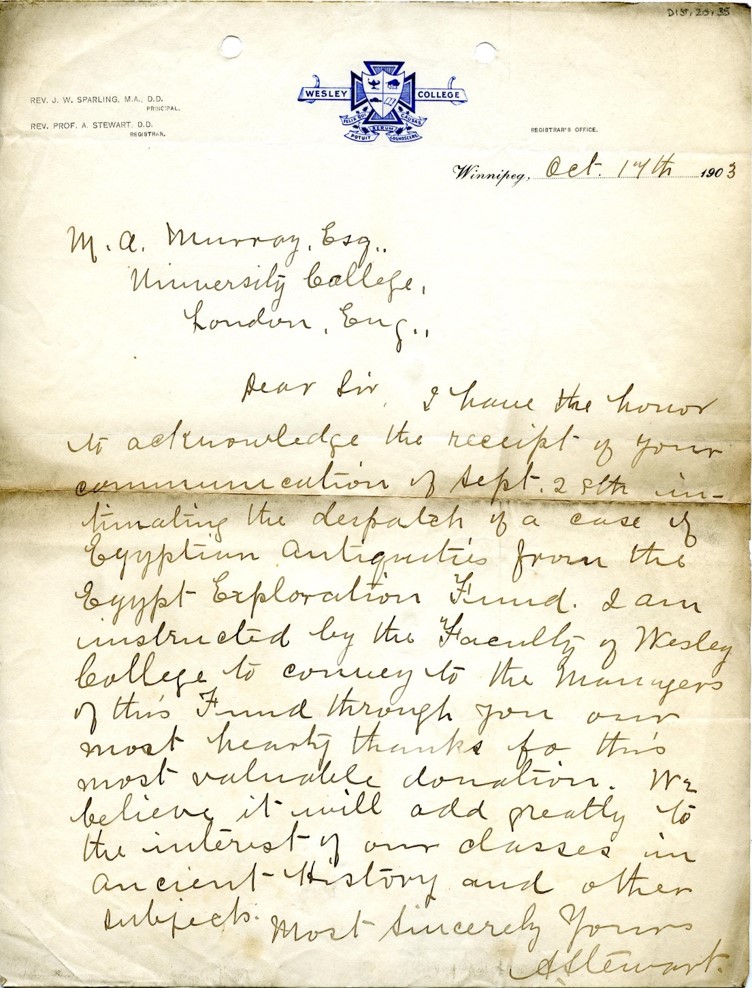
In this blog post, we highlight the Lux Project, an undergraduate research and digitization project focused on the Hetherington Collection, a collection of around 450 ancient Mediterranean artifacts housed in the Anthropology lab at the University of Winnipeg. A team of about a dozen student volunteers led by Melissa Funke is photographing, researching, and teaching the public about these objects.
Podcast Season 2, Episode 11 – Seize the Clay: Pottery Workshops in Sagalassos with Elizabeth Murphy
On this episode of the Peopling the Past podcast, we are joined by Dr. Elizabeth Murphy, an assistant professor of Roman Archaeology at Florida State University.
Listen in, as Dr. Murphy takes us through her research on pottery workshops with a particular focus on the workshops in Sagalassos, Turkey, and what the excavation of these sites can reveal about methods of production, the people involved in pottery production, raw material acquisition and the changing dining habits of citizens in the Roman Empire.
 Peopling the Past