
In this week’s blog post, we interview Brea McCauley, a Ph.D. candidate at Simon Fraser University, who details the practice of cultural finger amputation through numerous human societies throughout history around the globe.
Tag Archives: classics
Blog Post #97: Graduate Student Feature with Adrian Talotti Proestos

In this week’s blog post, we interview Adrian Talotti Proestos, a Ph.D. candidate at McMaster University, who takes us through his research which uses network analysis to trace interactions between Oenotrian communities in southern Italy.
Podcast Season 3, Episode 12: How do you Solve a Problem like Cleopatra? : Shelley Haley and the last Egyptian Pharoah
On the last episode of our podcast season on ancient women, we are joined by Dr. Shelley Haley, the recently retired Edward North Chair of Classics and Professor of Africana Studies at Hamilton College.
Listen in, as we untangle the image of Cleopatra as a seductive manipulator and challenge assumptions, misconceptions, and preconceived notions about her persona and reign.
Blog #93: Piecing Together the Life of Phryne with Melissa Funke

In this week’s blog PtP member Dr. Melissa Funke discusses her newly published book, which uncovers the life of a famous upscale sex worker, alongside considering the real lives of sex workers in the ancient Greek world.
Podcast Season 3, Episode 11: Beyond the Battlefield: Women and Warfare in the Ancient Greek World with Elizabeth D. Carney
In this instalment of the Peopling the Past Podcast, we are joined by Dr. Elizabeth D. Carney is Professor of History and Carol K. Brown Scholar in the Humanities, Emerita, at Clemson University. Read along, as Dr. Carney tells us all about her research on the nature of ancient warfare in Macedonia, and the ways in which women, both elite and non-elite, participated in and experienced these conflicts.
Blog #92: The Libyans with Matthew McCarty

In the latest instalment of our Unknown Peoples Series, Matthew McCarty (University of British Columbia) takes us through his research on the ‘Libyans’, the indigenous peoples of the Maghreb — that is, the vast territory stretching across North Africa from modern western Libya, through Tunisia and Algeria, to the Atlantic coast of Morocco, and from the northern Sahara to the Mediterranean coast.
Blog #91: The Punic Peoples of the Western Mediterranean with Thelma Beth Minney
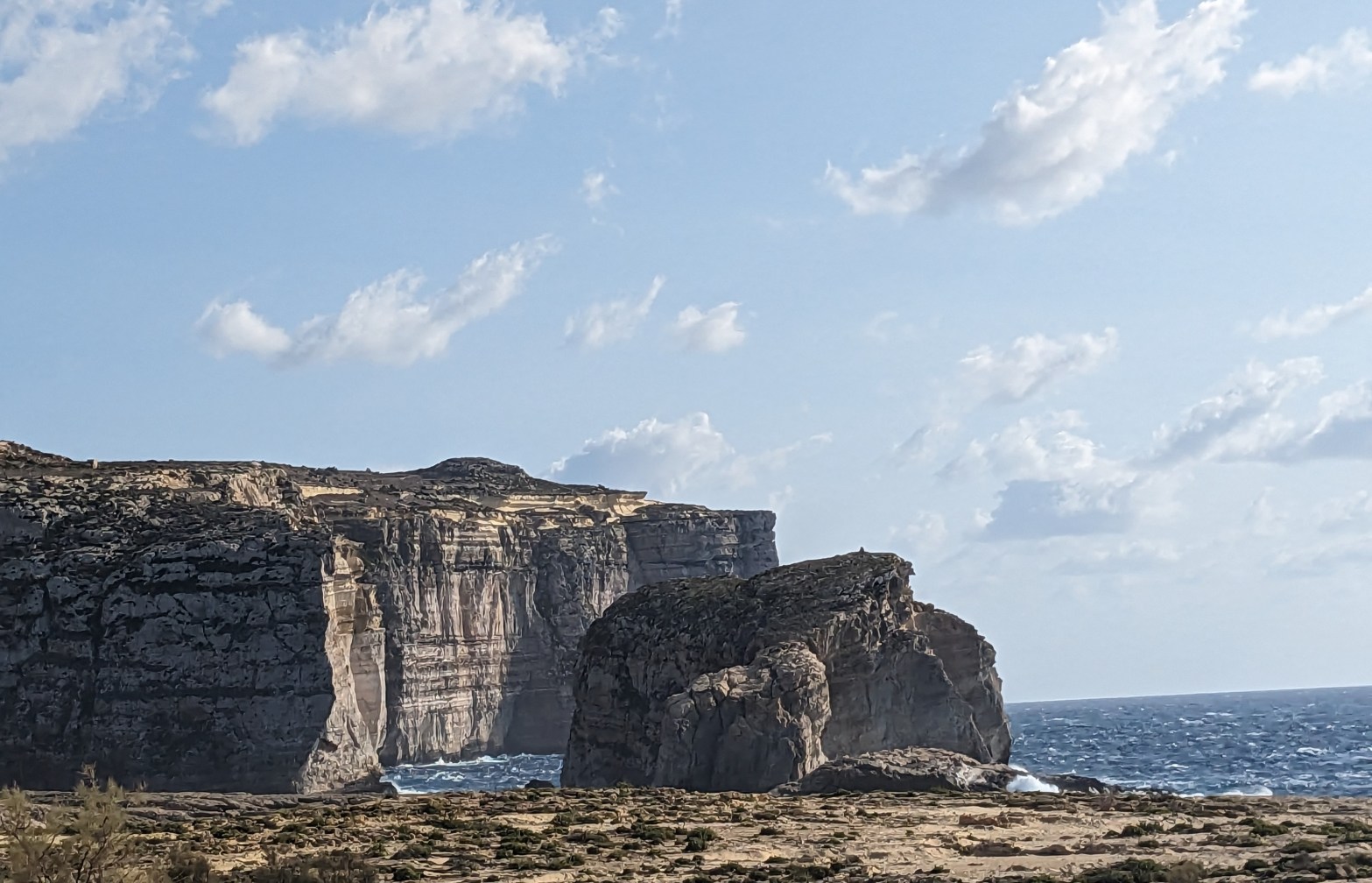
In this instalment of our “Unknown Peoples” Series, we feature the research of Thelma Beth Minney, a PhD candidate in CLassical Archaeology at Stanford University. In this post, she takes us through her research on the shifting religious practices of Punic Peoples in the Western Mediterranean following their absorption into the Roman Empire.
Blog #90: The Illyrians with Danijel Džino
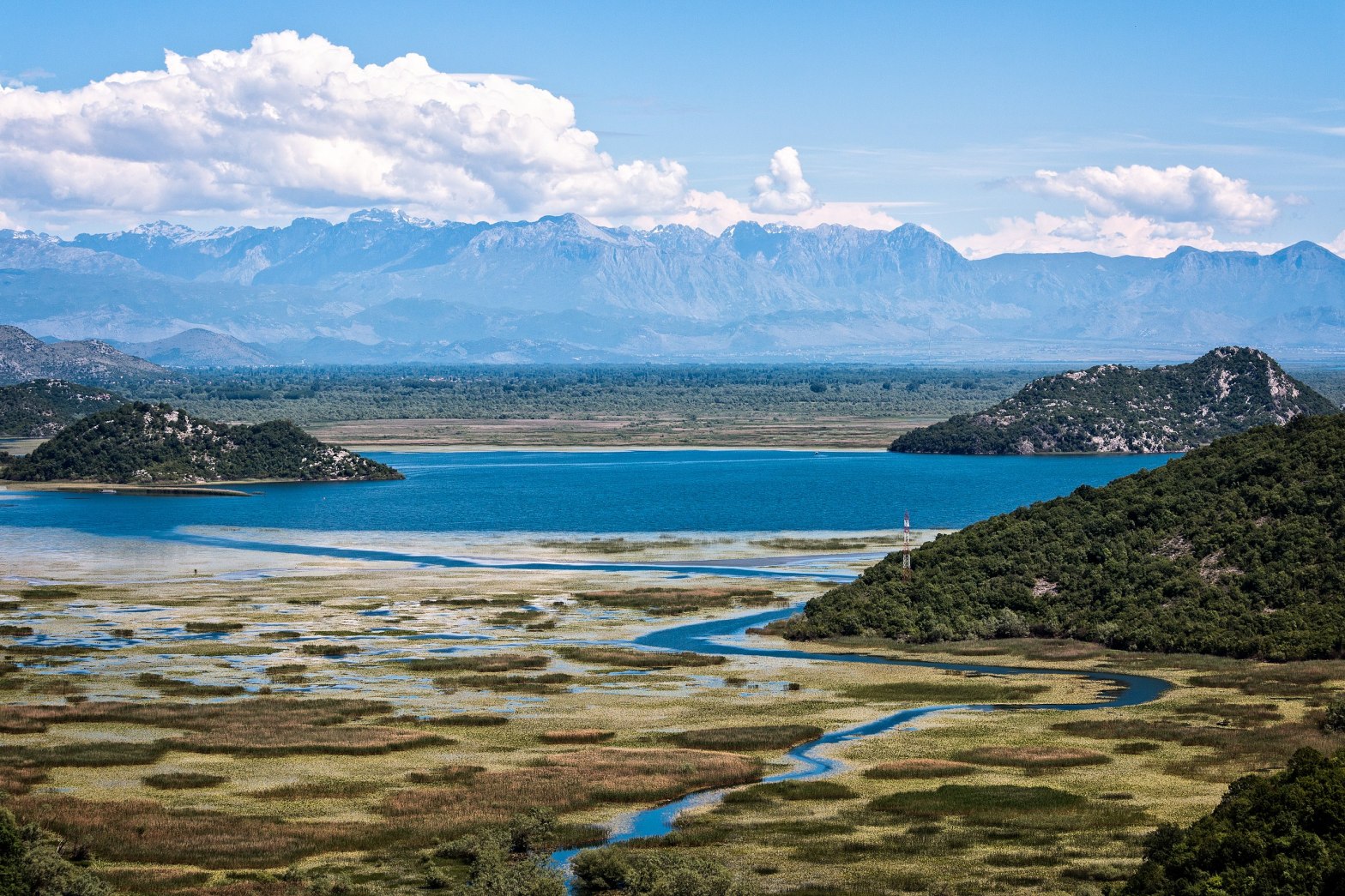
This week’s blog post by Danijel Džino introduces us to the Illyrians, an Indigenous Iron Age population that inhabited the eastern Adriatic and its surroundings, through a discussion of their politics, literary attestations and broader interactions with other Mediterranean communities.
Blog #89: Beyond Rome: The Indigenous People of Ancient Italy
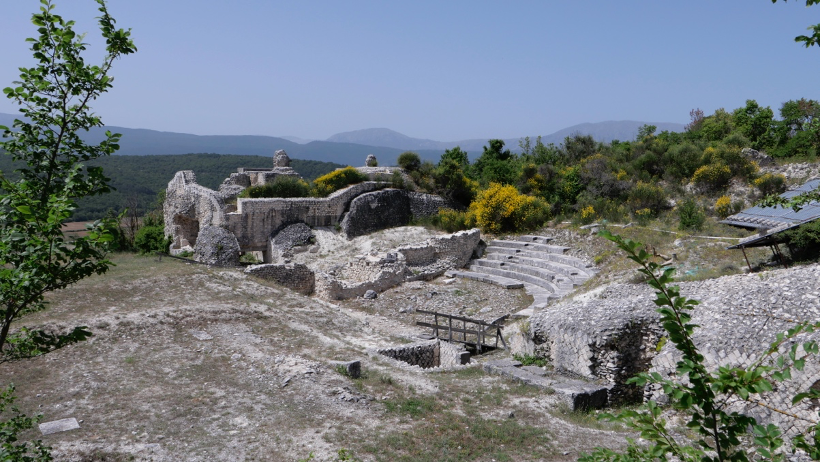
In this week’s blog post, Claudia Paparella, a graduate student at the University of Toronto, takes us through her research on the Indigenous Peoples of ancient Italy through an analysis of the epigraphic and archaeological remains that they have left behind.
Blog Post #88: Graduate Student Feature with Sophia Taborski
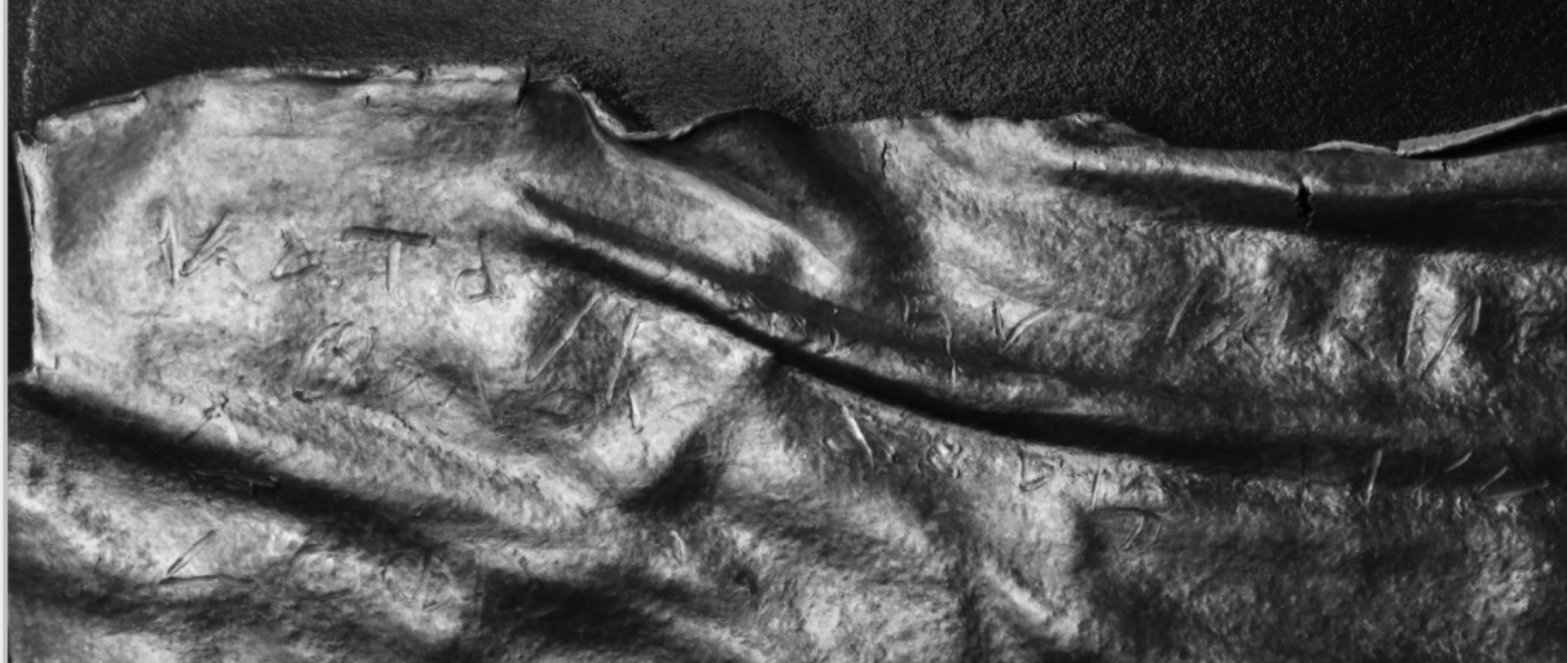
The final instalment of our Halloween series is a grad student feature with Sophia Taborski, PhD student at Cornell, studying how curses teach us about intersecting identities, power structures, violence, and resistance in the Roman empire.
 Peopling the Past